
The Ultimate Guide to Improving Your Credit Score: Strategies for Financial Freedom
In the modern financial ecosystem, your credit score is much more than just a three-digit number; it is your financial passport. It dictates whether you can buy a home, the interest rate on your auto loan, your ability to secure a premium rewards credit card, and even your eligibility to rent a high-quality apartment. In some industries, employers even check credit histories before making hiring decisions.
Despite its immense importance, millions of consumers view the credit scoring system as a mysterious, unpredictable force. The truth is exactly the opposite. Your credit score is calculated using a strict, transparent mathematical algorithm. Once you understand the variables that go into this algorithm, you can strategically manipulate them to build an excellent credit profile.
Whether you are starting with no credit, trying to recover from past financial mistakes, or looking to push a “good” score into the “exceptional” 800+ range, this comprehensive guide will provide you with the exact blueprint to improve your credit score effectively and sustainably.

1. Understanding the Anatomy of Your Credit Score
To improve your score, you must first understand how it is built. While there are different scoring models (such as VantageScore), the FICO Score is used by 90% of top lenders. The FICO model ranges from 300 to 850 and is broken down into five distinct weighted categories.
Payment History (35% of Total Score)
This is the single most critical factor in your credit profile. Lenders want to know one simple thing: do you pay your bills on time? A single late payment (reported after 30 days past due) can drop an excellent credit score by 50 to 100 points instantly. This category tracks your payment behavior across credit cards, retail accounts, installment loans (like auto or student loans), and mortgages.
Credit Utilization Ratio (30% of Total Score)
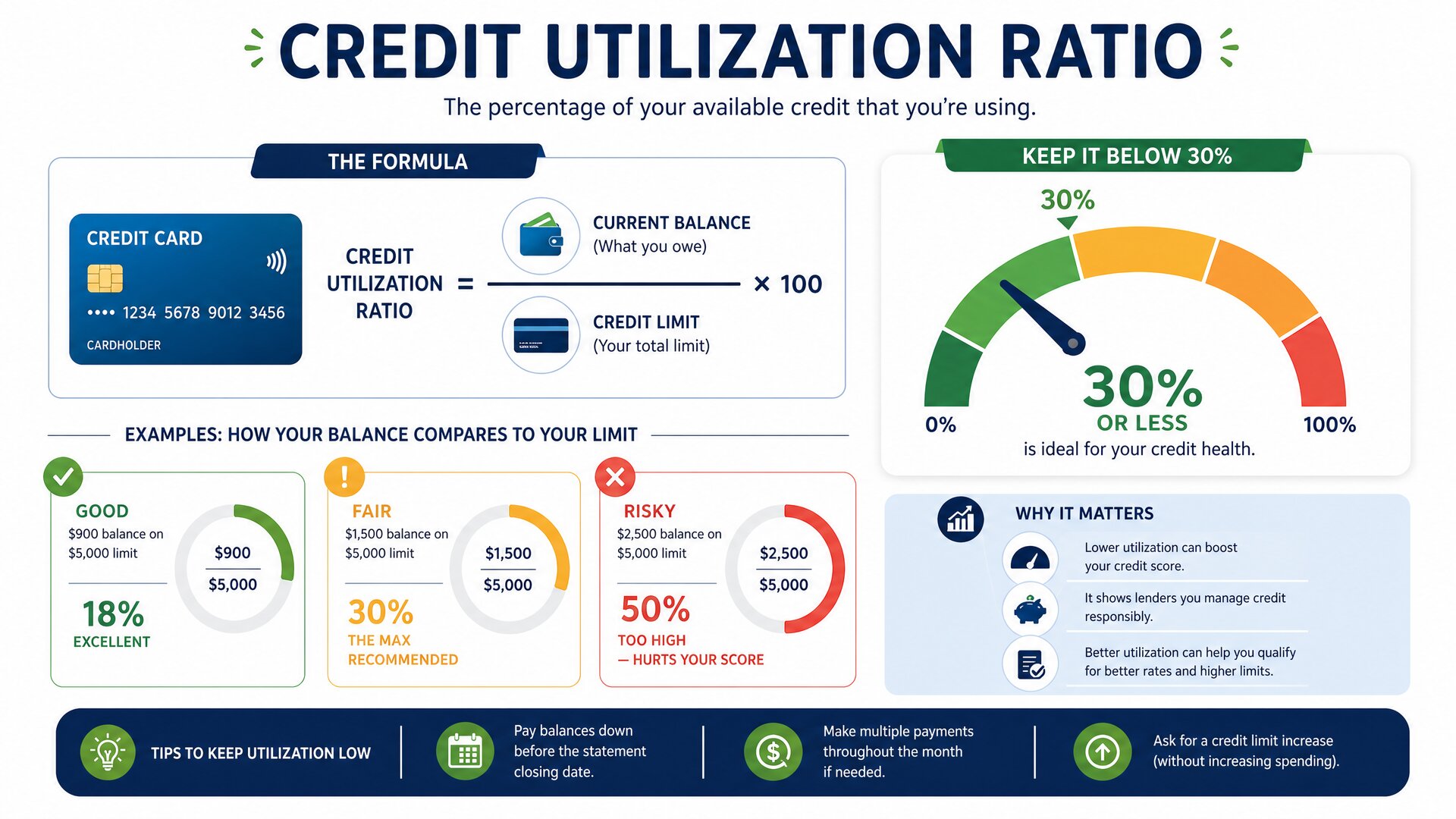
Your Credit Utilization Ratio (CUR) measures how much of your available revolving credit you are currently using. If you have a credit card with a $10,000 limit, and your current balance is $3,000, your utilization ratio is 30%. Financial experts and scoring models heavily favor individuals who have access to large amounts of credit but choose not to use it, as this indicates strong financial discipline.
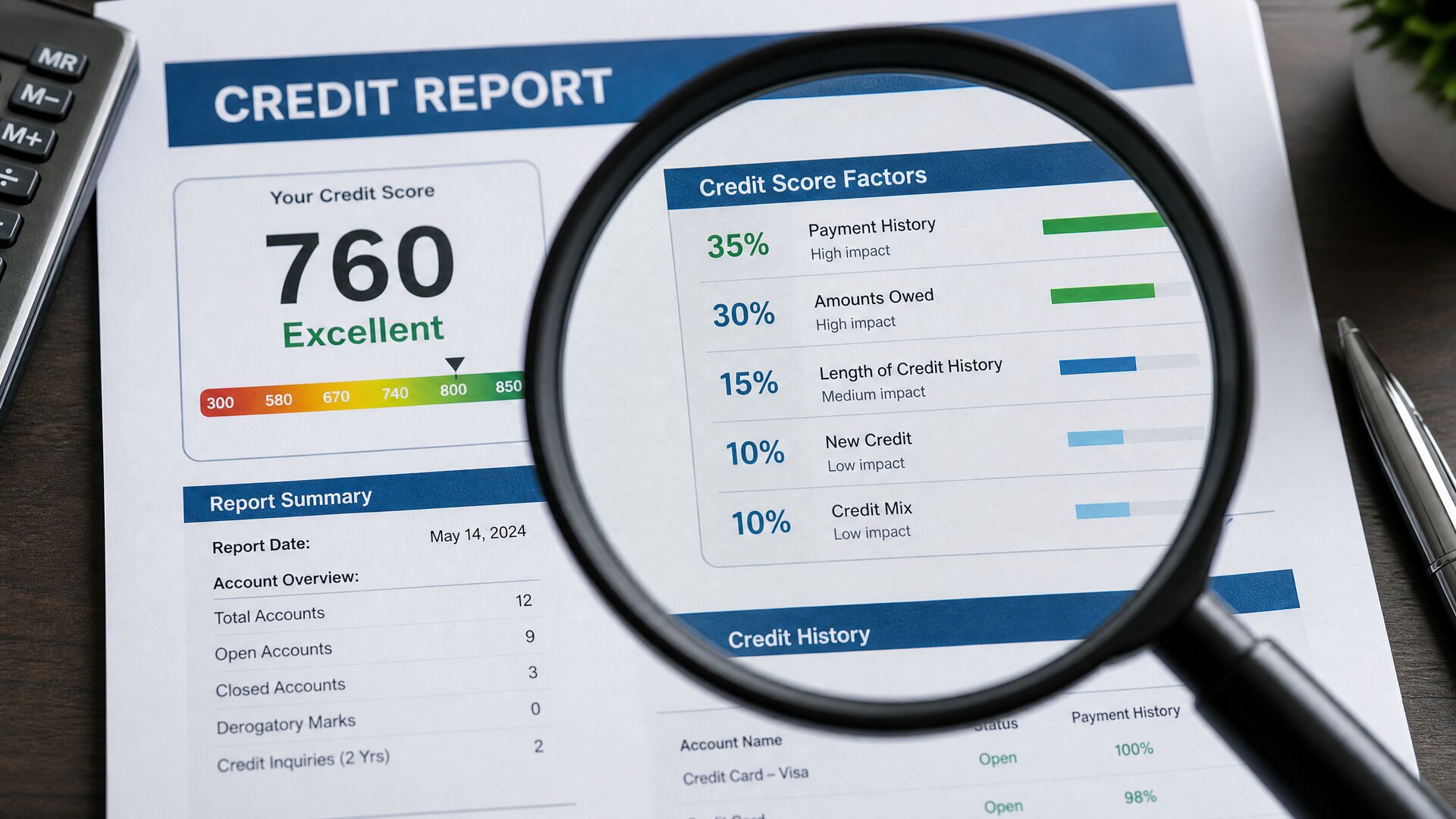
Length of Credit History (15% of Total Score)
This category calculates the age of your oldest account, the age of your newest account, and the average age of all your accounts combined. A longer credit history provides a larger data sample for lenders to evaluate your financial stability. This is why keeping old accounts open is a foundational rule of credit building.
Credit Mix (10% of Total Score)
Lenders like to see that you can responsibly manage different types of debt. A healthy credit mix includes a combination of revolving credit (credit cards, lines of credit) and installment credit (mortgages, auto loans, personal loans with fixed monthly payments).
New Credit (10% of Total Score)
Every time you apply for a new line of credit, the lender performs a “hard inquiry” on your report. Opening multiple new accounts in a short period signals financial distress to the scoring algorithm. This category evaluates how many new accounts you have recently opened and how many recent hard inquiries are on your file.
2. Immediate Actions to Boost Your Score Rapidly
If you need a quick boost to your credit score—perhaps because you are preparing to apply for a mortgage in a few months—there are specific, high-impact actions you can take right now.
Dispute Inaccurate Information
The Federal Trade Commission (FTC) estimates that one in five consumers has an error on their credit report. These errors could be dragging your score down right now. You are legally entitled to one free credit report from each of the three major bureaus (Experian, Equifax, and TransUnion) every year via AnnualCreditReport.com.
Review these reports meticulously. Look for:
- Late payments that you actually paid on time.
- Accounts that do not belong to you (a sign of identity theft).
- Old negative marks that should have fallen off after seven years. If you find an error, file a formal dispute directly with the bureau. By law, they have 30 days to investigate and remove the unverified information, which can result in an overnight score increase.
Pay Down Revolving Debt Strategically
Because your Credit Utilization Ratio makes up 30% of your score, manipulating this number is the fastest way to see a massive point jump. The golden rule is to keep your total utilization below 30%, but for an “exceptional” score, you should aim to keep it below 10%.
If you have multiple cards with balances, use the Avalanche Method (paying off the highest interest rate first to save money) or the Snowball Method (paying off the smallest balances first to eliminate individual accounts). To the scoring algorithm, bringing a maxed-out credit card down to a 10% balance will trigger an immediate positive update the next time your statement closes.
Request a Credit Limit Increase
If you cannot afford to pay down a large chunk of your debt immediately, you can artificially lower your utilization ratio by increasing your total available credit. Call your current credit card issuers and ask for a credit limit increase.
The Math: If you owe $5,000 on a card with a $10,000 limit, your utilization is 50%. If the bank increases your limit to $20,000, your $5,000 balance now represents only 25% utilization. Your score will increase, even though you haven’t paid off any debt. (Note: Ensure the issuer uses a “soft pull” rather than a “hard pull” before requesting the increase).

3. Mid-Term Strategies for Sustainable Growth
Once you have secured your quick wins, you must implement structural changes to your financial habits to ensure your score continues to climb over the next 3 to 6 months.
Become an Authorized User
If you have a trusted family member or spouse with an impeccable credit history and a credit card that has been open for many years with a low balance, ask them to add you as an “Authorized User” on that account.
You do not even need to possess the physical card or make purchases. Once you are added, the entire flawless history of that specific account is essentially copy-and-pasted onto your credit report. This instantly increases your average age of accounts and lowers your overall utilization ratio.

Automate Your Bill Payments
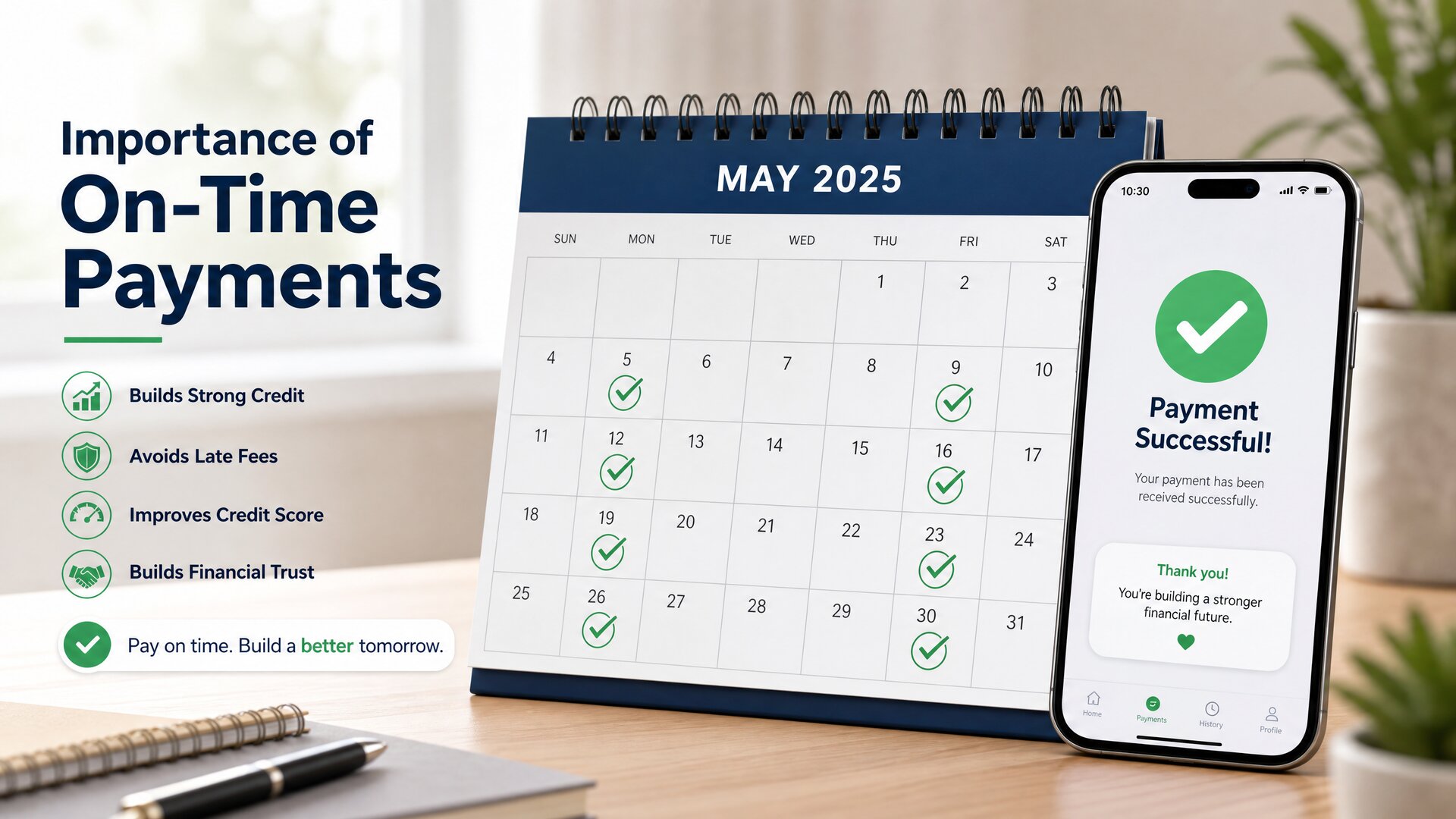
Since payment history accounts for 35% of your score, human error is your biggest enemy. Missing a payment because you simply forgot or were traveling can devastate your score. Set up automatic payments for at least the “minimum amount due” on all your credit cards and loans. This guarantees that a 30-day late mark will never hit your report, while you can manually log in later to pay the remaining full balance.
Keep Old Accounts Open
A common mistake consumers make when they finally pay off a debt is closing the account. If you close your oldest credit card, you instantly wipe out years of positive payment history and drastically reduce the average age of your accounts. Furthermore, you lose the available credit limit from that card, which will instantly spike your overall utilization ratio.
Unless a card has a highly restrictive annual fee that you can no longer afford, keep your old credit cards open. Buy a cup of coffee with them once every six months to prevent the bank from closing them due to inactivity.
4. Dealing with Bad Credit: Rebuilding from the Ground Up
If your score is currently in the 500s due to collections, charge-offs, or bankruptcies, traditional banks will likely deny your applications. You must use specialized tools designed explicitly for credit rebuilding.
Secured Credit Cards
A secured credit card requires you to put down a cash deposit upfront, which acts as your credit limit. If you deposit $500, your limit is $500. Because the bank holds your cash as collateral, there is zero risk to them, making approval almost guaranteed regardless of your credit history.
You use the secured card for small daily purchases (like gas or groceries) and pay it off in full every month. The bank reports this positive behavior to the credit bureaus, rapidly rebuilding your payment history. After 8 to 12 months of responsible use, most banks will upgrade the card to an unsecured version and refund your initial deposit.
Credit-Builder Loans
Offered primarily by credit unions and community banks, a credit-builder loan forces you to save money while building credit. Instead of handing you loan funds upfront, the bank deposits the money into a locked savings account. You make fixed monthly payments over 12 to 24 months. These payments are reported to the credit bureaus. Once the loan term ends, the locked savings account is released to you. It is a brilliant way to establish installment loan history while simultaneously building an emergency fund.
5. Common Credit Score Myths Debunked
The internet is filled with terrible financial advice. Let’s dismantle the most dangerous credit myths that could be harming your progress.
Myth 1: Checking your own credit score lowers it. Fact: Checking your own score is considered a “soft inquiry” (or soft pull). Soft inquiries have absolutely zero impact on your credit score. You can check your score every single day without penalty. Only “hard inquiries”—when a lender checks your credit to approve a new loan—cause a temporary dip in your score.
Myth 2: You need to carry a balance to build credit. Fact: This is the most expensive myth in personal finance. You do not need to pay interest to build credit. Paying your credit card balance in full every single month is the absolute best thing you can do for your score. Carrying a balance only costs you massive amounts of money in interest charges.
Myth 3: Income and bank balances impact your score. Fact: Your credit report does not contain any information about your salary, your total net worth, or the amount of money in your checking account. You can be a millionaire with a terrible credit score, or a minimum-wage worker with a perfect 800+ score. The algorithm only cares about how you manage borrowed money.
6. Summary: The Credit Score Architecture
Use this table as a quick reference guide to understand how every financial action impacts your overall profile.
| Credit Score Category | Weight | High-Impact Positive Action | High-Impact Negative Action |
|---|---|---|---|
| Payment History | 35% | Setting up auto-pay to ensure 100% on-time payments. | A payment reported 30+ days late, or an account sent to collections. |
| Utilization Ratio | 30% | Keeping total revolving balances below 10% of limits. | Maxing out a credit card, even if you pay the minimum. |
| Length of History | 15% | Keeping your very first (oldest) credit card open forever. | Closing old accounts to “clean up” your finances. |
| Credit Mix | 10% | Having a mortgage, an auto loan, and credit cards simultaneously. | Only having retail store credit cards. |
| New Credit | 10% | Spacing out new credit applications by at least 6 months. | Applying for 5 different credit cards in a single week. |
7. Frequently Asked Questions (FAQ)
How long does negative information stay on my credit report?
Most negative marks—including late payments, foreclosures, short sales, and accounts sent to collections—remain on your credit report for seven years from the date of the first delinquency. A Chapter 7 bankruptcy is the most severe penalty and remains on your report for ten years. However, the impact of these marks lessens significantly as time passes. A late payment from five years ago hurts much less than a late payment from last month.
What is a “Good” versus an “Excellent” credit score?
While lender criteria vary, the general FICO score breakdown is as follows:
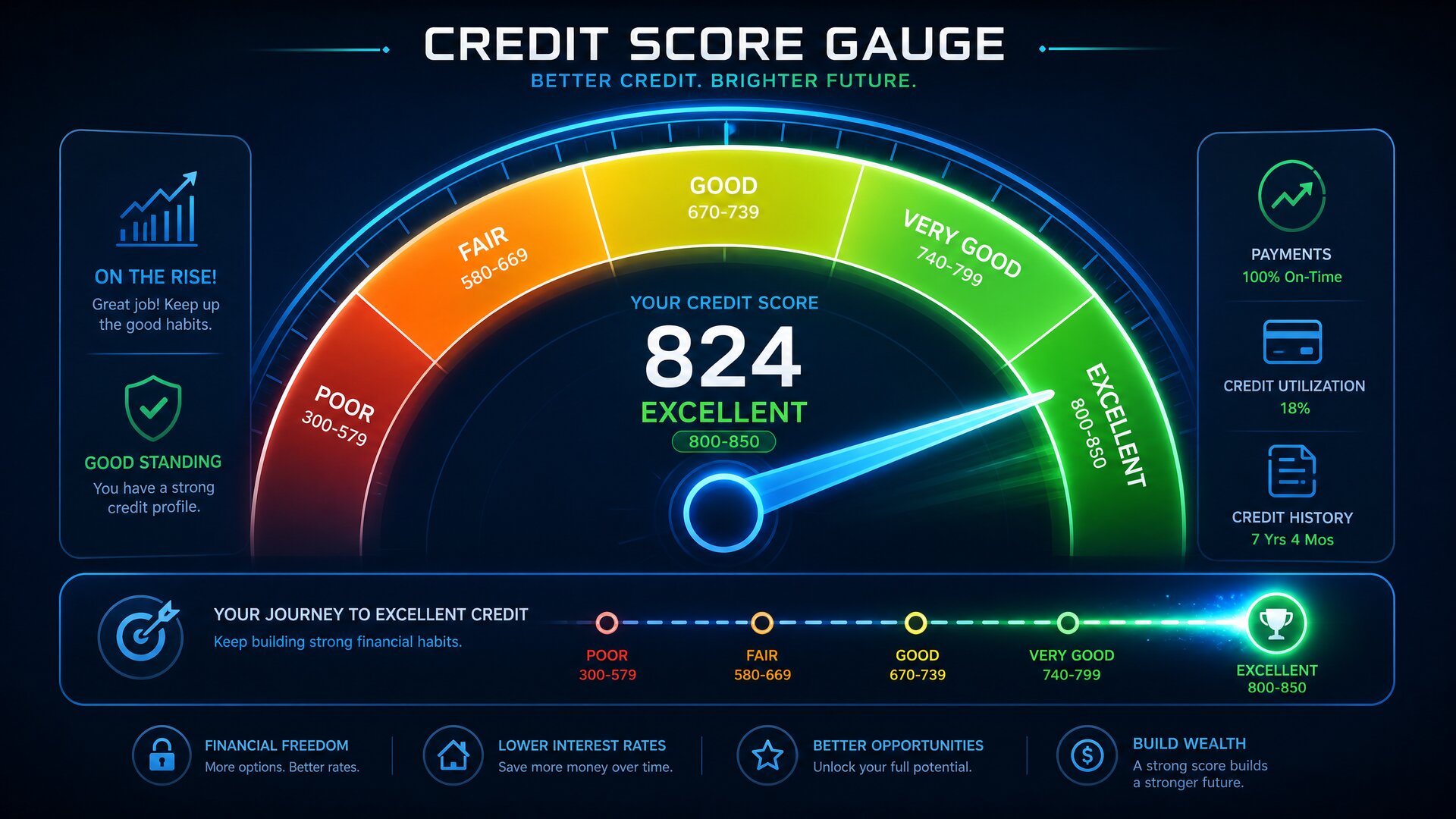
- 300 – 579: Poor (High risk of denial)
- 580 – 669: Fair (May be approved, but with high-interest rates)
- 670 – 739: Good (Acceptable to most lenders)
- 740 – 799: Very Good (Qualifies for prime interest rates)
- 800 – 850: Exceptional (Qualifies for the absolute lowest rates and premium cards)
Should I use a credit repair company?
In most cases, no. Credit repair companies charge hundreds of dollars to do exactly what you can do yourself for free: dispute inaccuracies on your credit report. They cannot legally remove accurate, negative information. You are better off saving your money, paying down your existing debt, and managing your own disputes via AnnualCreditReport.com.

Author’s Note: The True Value of Financial Discipline
Building an exceptional credit score is not a race; it is a marathon of financial discipline. It requires patience, strategic planning, and a deep understanding of the mathematical rules of the banking system.
When you first begin repairing a damaged score, progress can feel frustratingly slow. However, the compound effect of paying your bills on time, keeping your balances low, and refusing to close your oldest accounts will inevitably push your score upward.
An excellent credit score provides absolute peace of mind. It means never having to worry about being denied an apartment, never having to pay a security deposit to turn on your electricity, and saving tens of thousands of dollars in interest over the life of a mortgage. By implementing the strategies outlined in this guide, you are not just improving a number on a screen; you are taking control of your financial destiny and unlocking the doors to a more secure, wealthy future.