
Gold vs Diamonds The Ultimate Guide to Tangible Safe Havens
For thousands of years, humanity has looked to the Earth to find physical storage vehicles for its accumulated wealth. When empires crumble, banks freeze, and paper fiat currencies lose their purchasing power through hyperinflation, tangible assets remain standing. In the modern landscape of alternative wealth management, two traditional safe havens consistently dominate the conversation: Gold and Diamonds.
Both assets represent a beautifully concentrated, highly prestigious form of physical equity. Both operate completely outside the traditional banking infrastructure, offering a degree of privacy and protection against systemic counterparty risks that digital stocks or bonds simply cannot match.
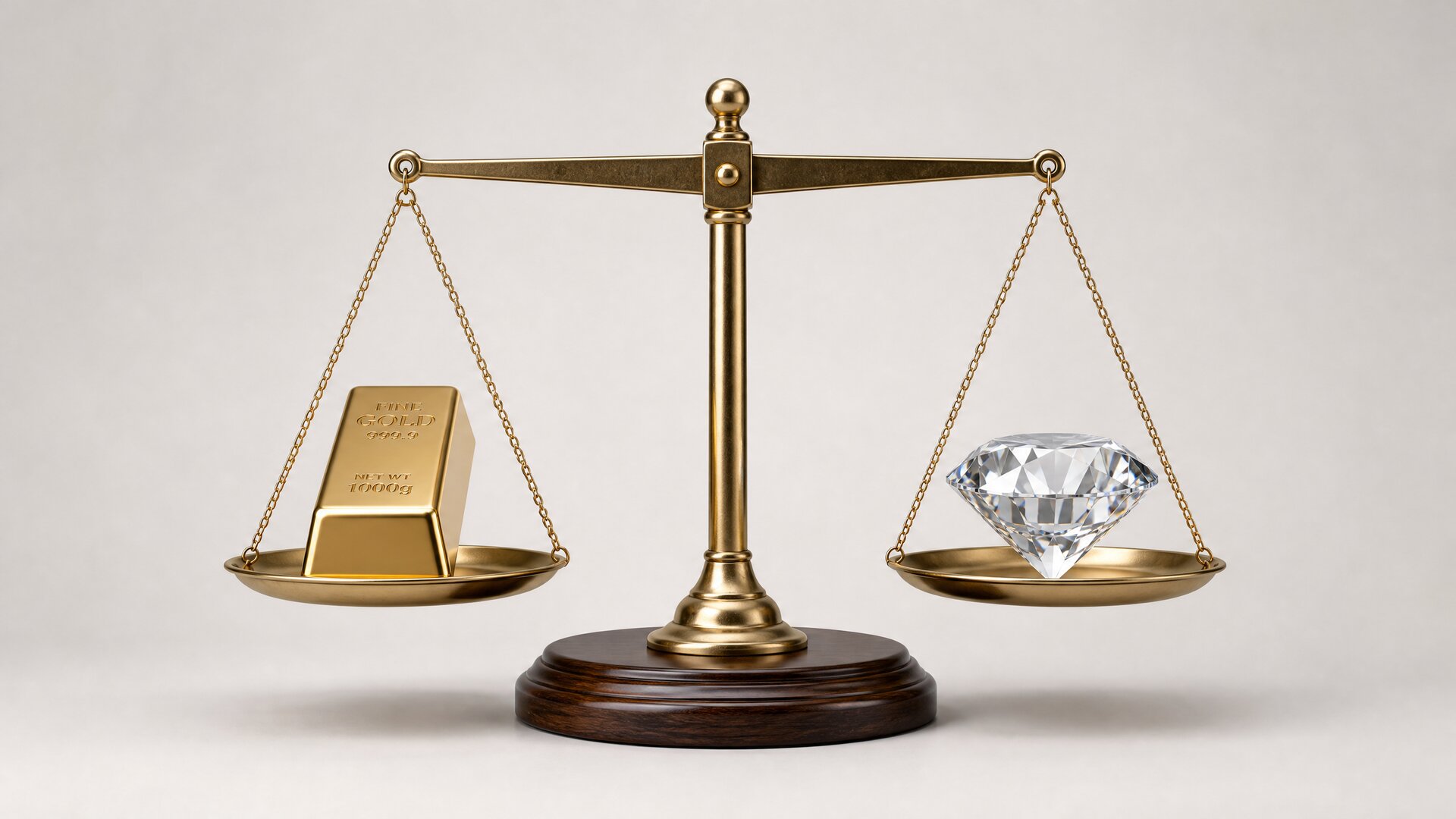
However, from an asset allocation and macroeconomic perspective, gold and diamonds behave like completely different financial instruments. One is an ultra-liquid, universally priced global commodity, while the other is a hyper-rare, highly subjective piece of natural micro-artistry. This comprehensive guide will dissect the structural, financial, and mechanical differences between these two safe havens, allowing you to optimize your alternative portfolio for multi-generational wealth preservation.
1. The Macroeconomic Foundations: Commodity vs. Luxury Collective
To evaluate these two assets, we must look at how they are structurally positioned in the global financial markets.
Gold: The Sovereign Currency Baseline
Physical gold is not classified as a standard industrial commodity or a retail luxury item; it is historically and structurally recognized as a non-fiat tier-1 monetary asset. Central banks worldwide hold massive percentages of their reserves in physical gold bullion bars to back their national currencies and shield themselves against systemic geopolitical shocks.
Gold is fundamentally fungible. An ounce of pure .9999 fine gold refined in London is identical in financial value to an ounce of pure gold mined in Australia. It reacts instantly to global macroeconomic data: when interest rates drop or inflation spikes, capital floods into gold, driving up its globally uniform spot price.
Diamonds: The Anatomy of Engineered Rarity
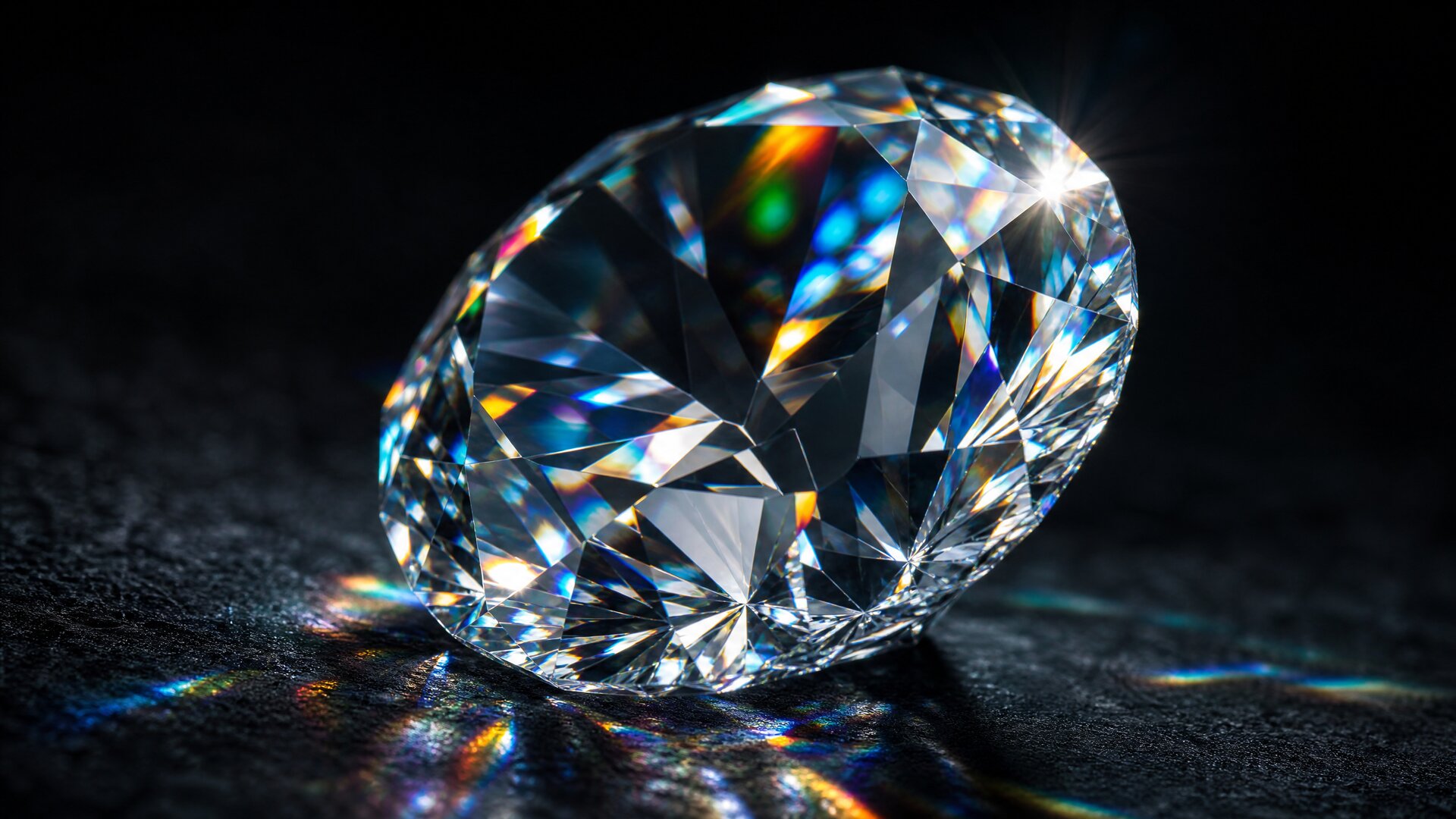
Diamonds operate on an entirely different economic spectrum. A diamond is not a fungible commodity; it is a highly individualized luxury asset. No two diamonds extracted from the earth are molecularly identical. Therefore, the diamond market behaves less like a traditional commodity exchange and more like the fine art market.
The baseline value of a diamond is driven by consumer demand, cultural prestige, jewelry industry marketing, and geological scarcity—specifically within the top 1% of colorless and fancy colored stones. It does not possess a singular global “spot price” per gram; its valuation is a multi-variant calculation determined by gemological expert consensus.
2. Valuation Mechanics: Objective Metrics vs. The Four Cs Matrix
The process of determining the exact monetary value of your physical asset represents one of the sharpest divides between gold and diamonds.
The Simplicity of Precious Metal Pricing
Pricing gold requires zero subjective interpretation. The asset is evaluated entirely on two immutable, objective metrics: Weight and Purity.
An investor uses a digital scale to find the exact mass in troy ounces or grams, checks the purity stamp (such as 99.99% or 24-karat), and multiplies that figure by the live global spot price streaming on international commodities exchanges. There is no debate, no human bias, and no negotiation required to find the exact current capital value of gold bullion.

The Intricate Subjectivity of Gemstones
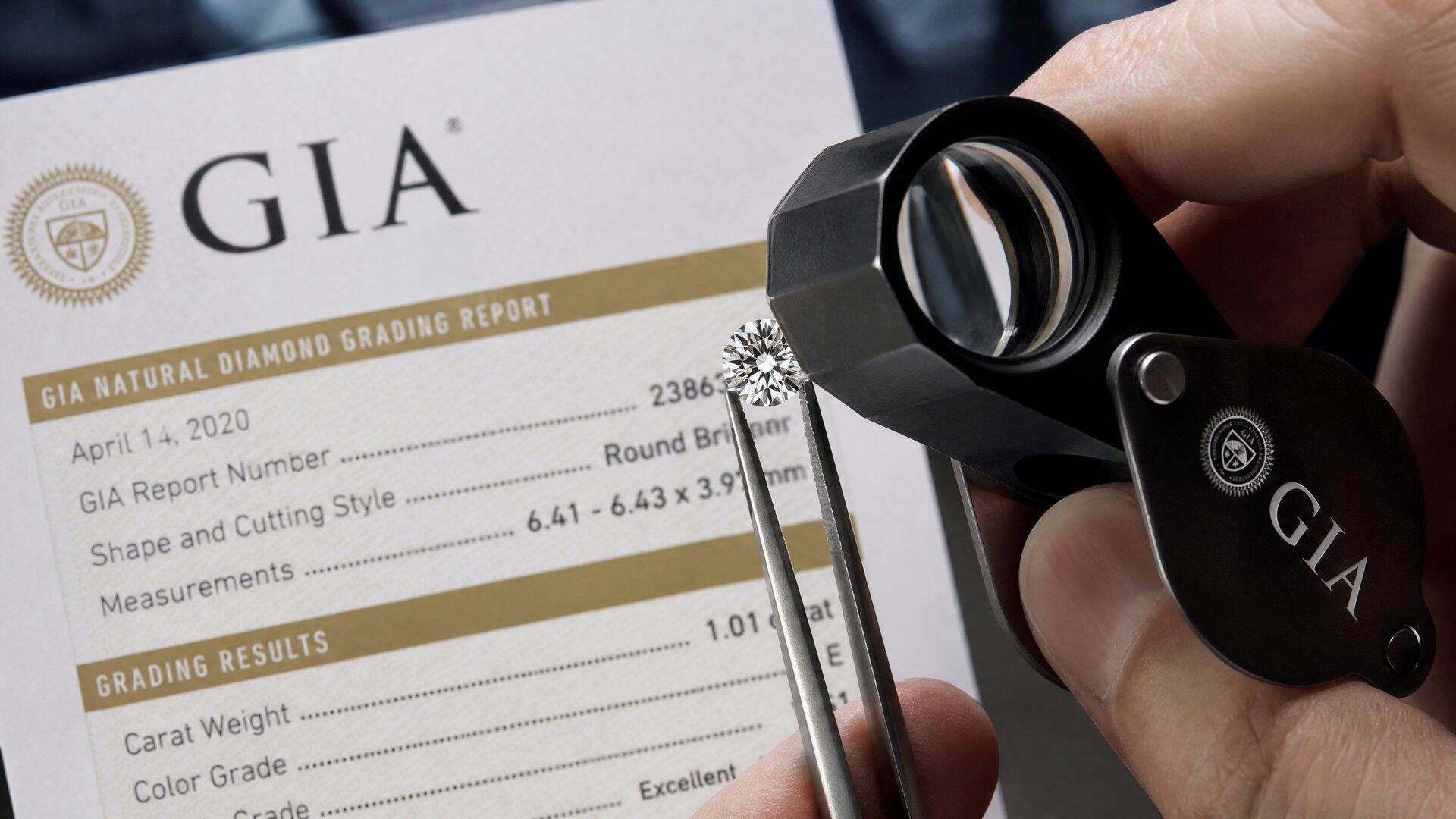
Pricing a diamond requires a masterclass in gemological forensics. The valuation is bound to the rigid “Four Cs” Matrix established by the GIA:
-
Carat: The physical weight of the gemstone. Value scales exponentially with size, as large stones are drastically rarer.
-
Color: For white diamonds, the closer to absolute colorlessness (D, E, F), the higher the investment tier.
-
Clarity: The absence of internal inclusions or external blemishes under 10x microscopic magnification.
-
Cut: The geometric precision of the facet angles that dictates how the stone refracts and reflects light.
A minute structural inclusion invisible to the naked eye, or an incorrect pavilion angle in the cut, can slash a diamond’s asset valuation by 40% overnight. This makes diamond valuation highly dependent on expert laboratory verification, carrying an inherent degree of informational friction that does not exist in the gold market.
3. Financial Liquidity and Global Transaction Friction
Liquidity refers to how quickly and easily an asset can be converted back into fiat currency without taking a catastrophic financial haircut.
[ PHYSICAL GOLD ] -------> Immediate Liquidity at Worldwide Spot Price
[ INVESTMENT DIAMOND ] --> Requires Grading Vetting, Auction Scheduling, or Dealer Negotiation
The Immediate Cash Convertibility of Gold
Gold is one of the most liquid physical assets on the planet. Because of its universal fungibility, you can walk into a specialized precious metals dealer, a private bank, or a gold bourse in any city—from Zurich to Tokyo—and convert physical bullion into local fiat currency within minutes. The transaction cost (the bid-ask spread) is incredibly narrow, typically ranging between 1% and 5% of the total asset value, ensuring maximum preservation of capital during rapid exits.
The Deliberate Realization Horizon of Diamonds
Diamonds are fundamentally illiquid assets. Because every gemstone is unique, finding a buyer who matches the exact profile of your stone takes time. If an investor is forced to sell a high-value diamond instantly to generate cash during an emergency, they will be forced to accept steep discounts from pawn brokers or wholesale jewelry buyers.
Realizing the true, full investment potential of a rare diamond requires a slow-moving timeline—often involving consigning the stone to specialized auction houses (such as Sotheby’s or Christie’s) or leveraging high-end private client networks. The transaction friction is high, with auction houses charging commissions that can eat into final investment yields.
4. The Concentration of Wealth and Portability Metrics
When considering emergency asset transportation or discreet wealth preservation, physical space and weight become vital operational considerations.
The Physical Mass Weight of Gold Bullion
While gold is a highly concentrated form of wealth compared to real estate or industrial metals, it remains incredibly heavy. A million dollars worth of physical gold bullion weighs over 13 kilograms (approx. 30 pounds). Transporting this weight across international borders requires intense physical effort, highly secure logistical armored transport, and immediate exposure to customs border declarations due to its sheer physical bulk.

The Ultimate Invisible Asset: Diamond Portability
Diamonds represent the absolute apex of hyper-concentrated wealth portability. A natural, 5-carat Fancy Vivid Pink diamond worth over $5 million weighs exactly one single gram. It can be placed inside a small velvet pouch, slipped into a pocket, or worn discreetly as a ring, allowing an individual to move multi-million-dollar fortunes across geographic boundaries completely unhindered by physical mass. For ultra-high-net-worth individuals seeking a discreet, emergency flight asset, diamonds possess no equal.
5. Direct Comparative Matrix: Side-by-Side Financial Performance
| Financial Attribute | Physical Gold Bullion | Investment-Grade Natural Diamonds |
| Pricing Mechanism | Objective (Live international spot price) | Subjective (The 4 Cs + Laboratory consensus) |
| Fungibility | Absolute (Every .9999 bar is identical) | Non-Fungible (Every stone is unique) |
| Global Liquidity | Exceptionally High / Immediate | Moderate to Low / Requires patience |
| Wealth Concentration | Moderate (Heavy physical mass in volume) | Extremely High (Millions of dollars per gram) |
| Market Volatility | Higher daily fluctuation (Tied to macro-data) | Lower daily volatility (Insulated retail market) |
| Transaction Fees | Very Low (1% – 5% dealer spreads) | High (Auction house & broker commissions) |
| Counterfeit Risk | Low (Easily verified via ultrasonic tests) | High (Requires advanced GIA lab scanning) |

6. Storage, Security, and Carrying Cost Realities
Holding physical assets requires safeguarding them against theft, environmental degradation, and catastrophic loss. The operational costs of holding these assets must be deducted from your final investment yields.
The Vaulting Logistics of Gold
Because gold bullion occupies notable physical space when acquired in significant volumes, storing it at home in a standard residential safe carries immense security risks. Most institutional gold investors utilize high-security, off-market private vaults located in secure jurisdictions like Switzerland, Singapore, or Delaware. These non-bank depositories charge annual storage and custodial insurance fees based on the total weight and value of the metal, creating a continuous, minor financial drain on the portfolio.
The Low-Footprint Security of Gemstones
Diamonds require zero structural logistics. A multi-million-dollar collection of investment stones can fit comfortably inside a tiny, specialized safe-deposit box at a local bank or a small home vault. Because they occupy virtually no space and are completely unaffected by atmospheric moisture, oxidation, or temperature fluctuations, their physical carrying costs are virtually non-existent, making them an incredibly low-maintenance asset class over multi-decade horizons.
7. Vulnerabilities to Disruption: Central Banks vs. Lab-Grown Technology
Every alternative asset class faces specific long-term structural threats that investors must carefully monitor to shield their capital from unexpected devaluation.
The Monetary Policy Threats Facing Gold
The primary threat to gold valuations stems from macroeconomic policy shifts. Because gold pays no dividend or yield, it struggles during periods of exceptionally high real interest rates, as investors rotate capital back into yield-bearing government bonds. Additionally, coordinated, large-scale gold liquidations by major central banks to stabilize fiat currencies can trigger sudden, sharp sell-offs on the global commodities markets.
The Technological Disruption of Lab-Grown Diamonds (LGDs)
The diamond asset class has recently faced a massive technological evolution: the rise of laboratory-grown diamonds. Using advanced chemical vapor deposition (CVD) technology, factories can now mass-produce flawless white diamonds that are chemically and optically identical to natural mined stones.
This infinite scalability has caused retail prices for commercial-grade white diamonds to plummet, destroying their value retention.
Critical Strategy: To remain insulated from this technological threat, diamond investors must completely bypass standard commercial stones and allocate capital exclusively to the top 1% of natural rarity—specifically Fancy Color Diamonds (Pink, Blue, Red) and exceptionally large, Type IIa certified colorless stones. These ultra-rare geological miracles cannot be duplicated by laboratory factories at scale, preserving their elite investment status.
8. Portfolio Construction: Strategic Asset Integration
A disciplined wealth management strategy should never view gold and diamonds as mutually exclusive assets. Instead, they should be strategically layered within the alternative allocation bracket of your overarching portfolio.
+-------------------------------------------------------+
|             ALTERNATIVE BRACKET (5-10% of NW)         |
+-------------------------------------------------------+
|   GOLD (70%): Defensive Anchor, Liquidity, Inflation  |
|   DIAMONDS (30%): Rarity Upside, Wealth Portability   |
+-------------------------------------------------------+
The Allocation Formula
Within a standard alternative asset allocation (typically representing 5% to 10% of an individual’s total net worth), Gold should form the defensive anchor (70% of the allocation). It provides immediate liquidity, reliable tracking against global inflation indices, and a universally recognized exit strategy during market corrections.
Diamonds should function as the aggressive, high-concentration growth satellite (30% of the allocation). They are integrated not for daily trading liquidity, but as an ultimate multi-generational wealth vault, maximizing portability and capturing explosive upside potential driven by the permanent closure of major natural mines worldwide.
9. Frequently Asked Questions (FAQ)
Is gold safer than diamonds during an economic collapse?
Yes. Gold is significantly safer during an immediate economic collapse due to its absolute global fungibility and immediate liquidity. During a crisis, gold can be bartered or converted into cash instantly anywhere on earth, whereas diamonds require specialized gemological buyers to realize their true value.
Can lab-grown diamonds completely ruin the investment value of natural diamonds?
Only for low-grade, commercial jewelry stones. Lab-grown technology has flooded the mass consumer market, causing cheap retail diamond prices to crash. However, hyper-rare natural assets—such as GIA-certified Fancy Vivid Pink or Blue diamonds—remain entirely insulated from this disruption due to their extreme geological rarity and prestige status at international fine art auctions.
Does physical gold rust or degrade over centuries of storage?
No. Pure 24-karat gold is chemically inert. It does not oxidize, rust, tarnish, or corrode when exposed to air, water, or moisture. Gold pulled from ancient, thousand-year-old shipwrecks at the bottom of the ocean retains the exact same chemical purity and financial value as a bar minted yesterday.
How do I verify the authenticity of an investment diamond?
An investment diamond must never be verified by a retail jeweler’s subjective opinion. It must feature a microscopic laser inscription on its girdle matching a verified grading report from the Gemological Institute of America (GIA). This certificate acts as the ironclad passport of the gemstone, detailing its precise molecular metrics.
Author’s Note: The Philosophy of Hard Assets
When analyzing the historic rivalry between gold and diamonds, investors often fall into the trap of trying to crown a single winner. This is a flawed approach. The smartest financial minds do not choose between them; they analyze the distinct physics of each asset to solve specific portfolio vulnerabilities.
Gold is your financial shield—it is the ultimate defensive armor designed to preserve your purchasing power against the slow, calculated destruction of paper fiat currencies. Diamonds are your invisible vault—an elite, hyper-portable vehicle designed to compress massive fortunes into microscopic physical dimensions, completely insulated from the daily noise and volatility of global stock markets.
By grounding your investment strategy in empirical data, strictly demanding institutional certification (GIA for stones, LBMA hallmarking for gold), and completely ignoring the inflated retail markup markets, you can successfully leverage both of these terrestrial miracles to build an unbreakable, multi-generational financial fortress.