Digital Wallets and the Cashless Society: A Guide to Apple Pay, Google Pay, and Beyond
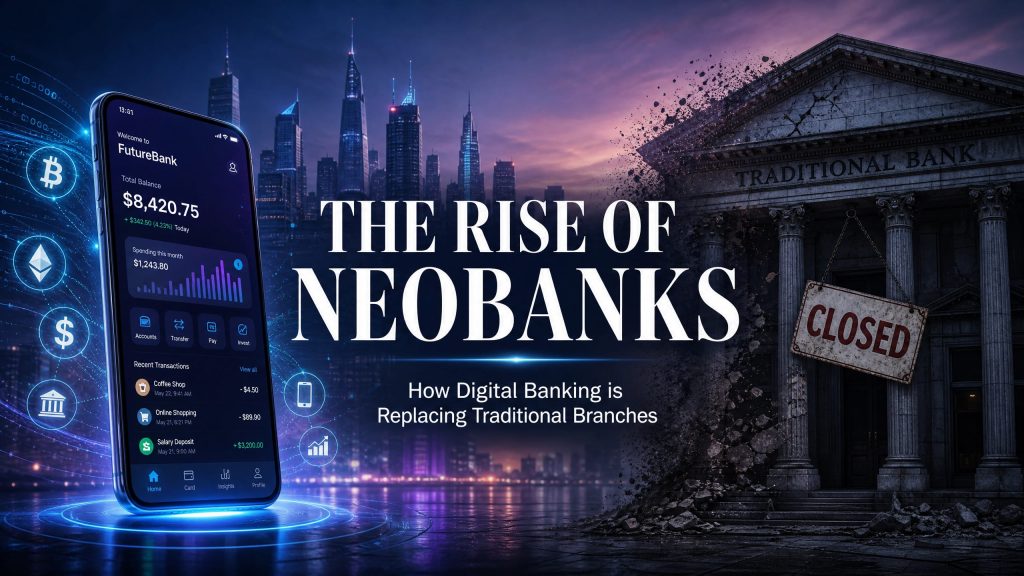
For centuries, money was a physical, tangible reality. It was metal coins in your pocket, paper notes in your wallet, and gold locked in bank vaults. The act of “paying” was a physical transaction—an exchange of matter between two parties. However, in the span of less than two decades, the nature of money has undergone a seismic shift. We have moved from physical coins to plastic magnetic stripes, and now, to an entirely digital, ephemeral existence.
The rise of Digital Wallets—Apple Pay, Google Pay, Samsung Pay, and their global counterparts—is not merely a convenience upgrade; it is the infrastructure foundation of a Cashless Society.
What was once a futuristic concept in science fiction is now the dominant reality in major economies across the globe. From buying a coffee in New York to paying for a subway ride in London or street food in Shanghai, the smartphone has replaced the leather wallet.
But what does this technological transition mean for your personal finances, your privacy, and the stability of the global economic system? In this comprehensive guide, we will analyze the mechanics of digital wallet technology, explain the revolutionary security standard known as “Tokenization,” compare the major platforms, and explore the philosophical implications of living in a world where physical cash no longer exists.
1. The Mechanics: How Does a Digital Wallet Actually Work?
A digital wallet is not just an app; it is a complex, encrypted orchestration of hardware, software, and financial network communication. To understand why it is so powerful, you must understand the underlying technology: NFC (Near Field Communication).
The NFC Revolution
NFC is a short-range wireless technology that allows two devices to communicate when they are held in close proximity (typically within a few centimeters). When you hold your phone near a contactless payment terminal at a checkout counter, your device and the terminal perform a microscopic “handshake.”
Because this communication requires such close proximity, it is physically impossible to accidentally trigger a payment from a device in your pocket, making it significantly safer than traditional “RFID-skimming” threats associated with older credit cards.
The Digital Wallet as a Container
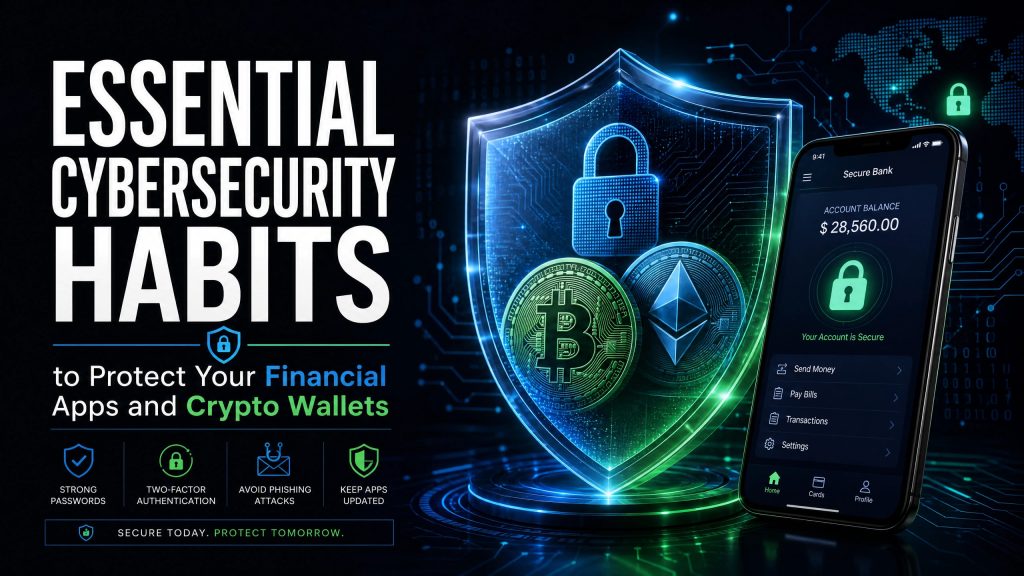
A digital wallet (like the Apple Wallet or Google Wallet app) is essentially a digital container that stores the “tokens” representing your credit, debit, and loyalty cards. When you add a card to your digital wallet, the app does not store your actual 16-digit credit card number on your phone. If your phone were stolen, a hacker would find no usable credit card information.
2. The Security Layer: Why Digital Wallets Are Safer Than Plastic
This is the most critical section for consumers to understand. Most people intuitively believe that physical plastic cards are safer than digital versions. In reality, digital wallets are exponentially safer than physical cards.
Tokenization: The Secret Weapon
The security of Apple Pay and Google Pay is built on a standard called Tokenization.
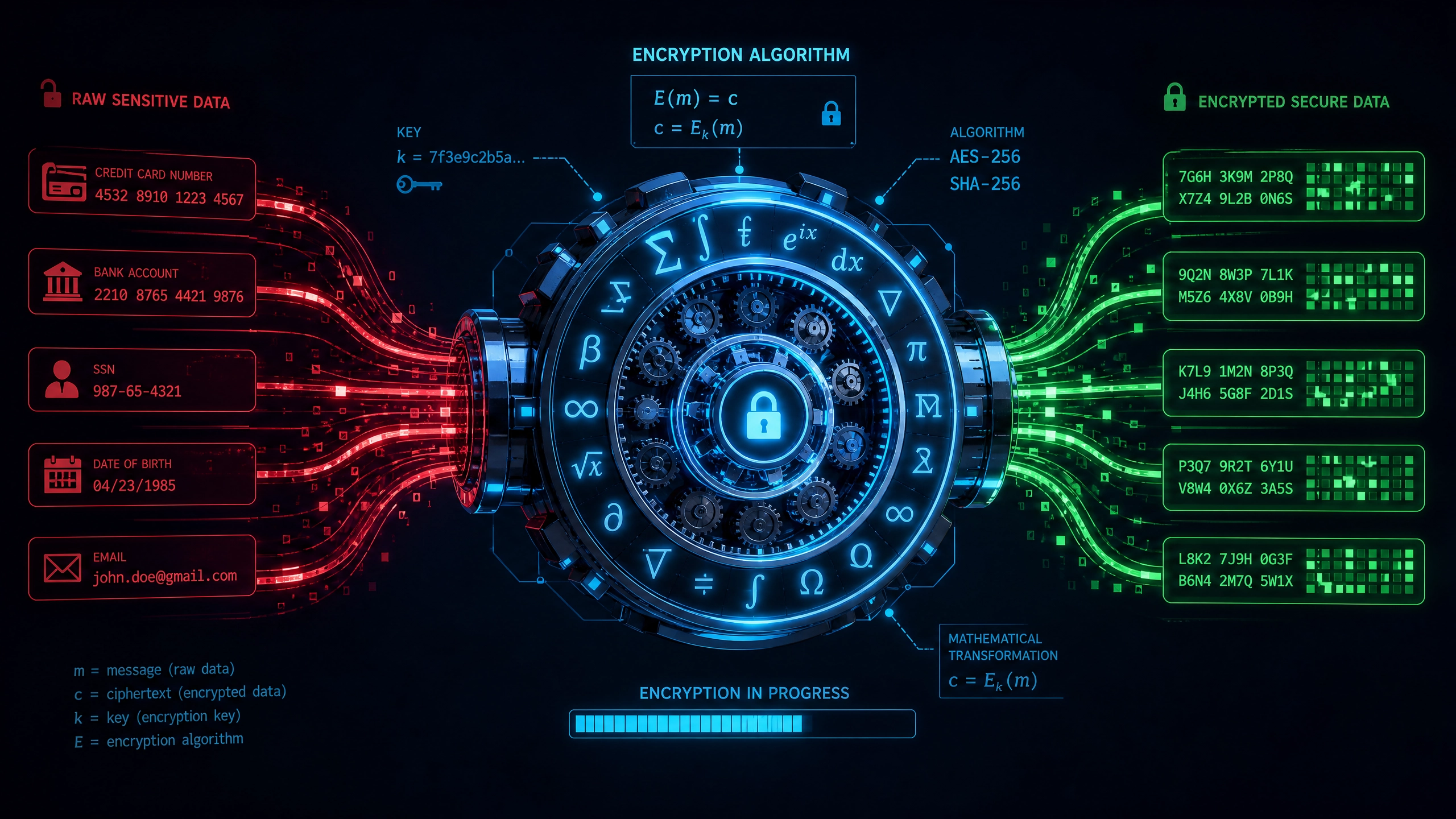
When you add a card to your digital wallet, the bank sends a “token”—a string of random, meaningless numbers—to your device. This token is linked to your account only at the bank level. When you make a purchase:
- Your phone sends the token to the merchant’s terminal.
- The terminal sends the token to the payment network (Visa/Mastercard).
- The bank decrypts the token to verify it is you.
- The merchant never sees your actual credit card number.
If a merchant’s database is hacked, the hackers only steal useless tokens. Even if someone physically intercepts the data during your transaction, they cannot use it to make a fraudulent charge because the token is single-use, device-specific, and encrypted at the hardware level.
The Biometric Shield
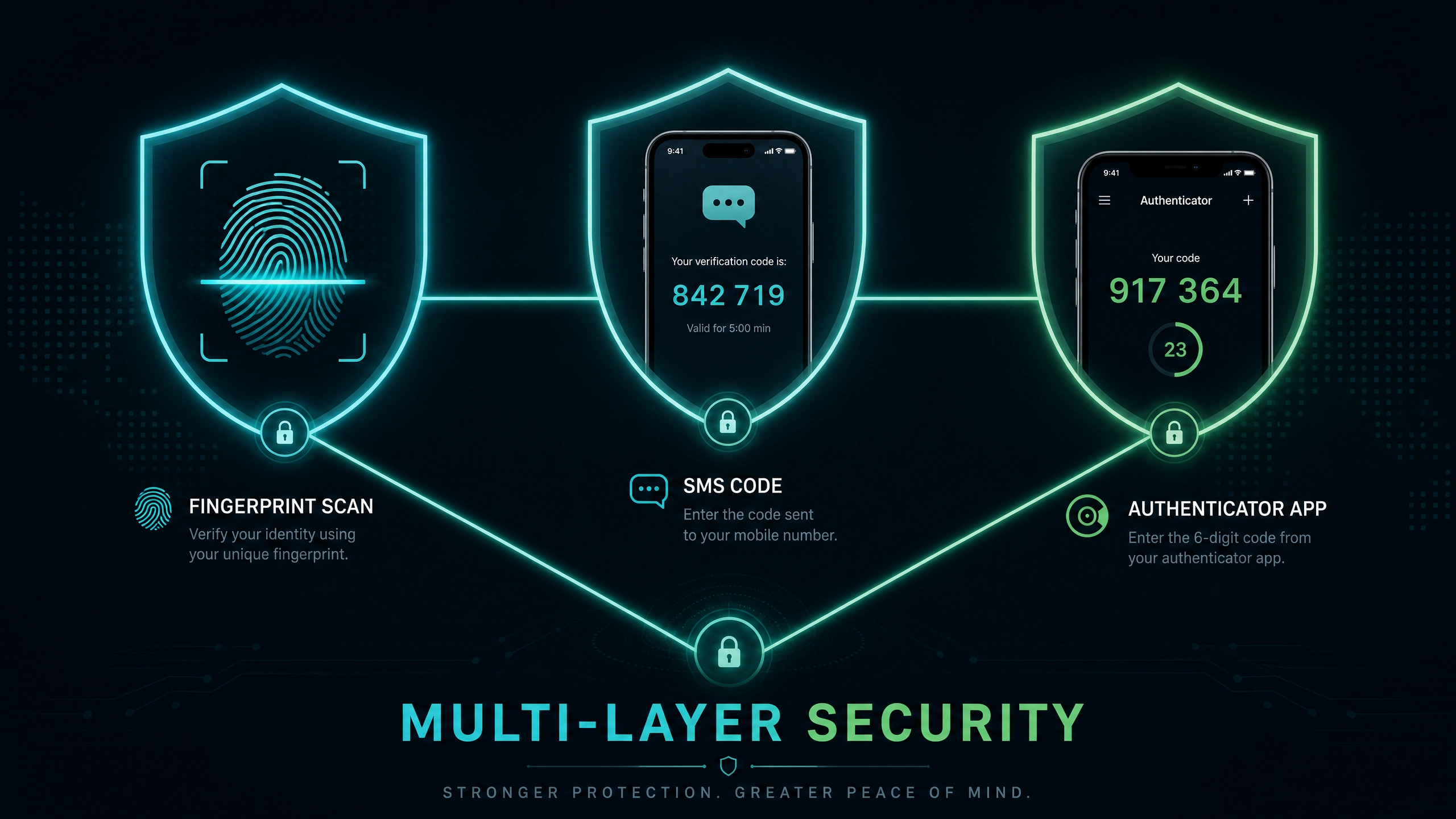
Traditional plastic cards are an “open” security system. If you lose your wallet, anyone who finds it can use your cards until you notice and cancel them. Digital wallets utilize a “closed” security system. To execute a payment, you must authenticate it using your biometric data—a face scan (FaceID), fingerprint (TouchID), or your device’s secure passcode. Your wallet is essentially locked to your body.
3. The Economic Impact: Frictionless Spending and Consumerism
The transition to digital wallets is not just a technological change; it is a psychological one. The elimination of “friction” has profound implications for how we manage our wealth.
The Psychology of “Invisible” Money
Behavioral finance teaches us that “payment transparency”—the physical act of counting out cash or watching money leave your hand—acts as a psychological brake on spending. When you pay with physical cash, you feel the loss of your wealth.
Digital wallets have removed this brake entirely. With a double-click of a side button and a face scan, the transaction is complete in under a second. The removal of this friction has been shown to increase average transaction amounts. By making spending so effortless, the digital wallet ecosystem naturally encourages higher consumerism.
The Data Mining of Spending Habits
When you pay with cash, your spending behavior is private. When you pay with a digital wallet, your transaction data becomes highly valuable corporate intelligence. The tech giants (Apple, Google, Samsung) and the card networks (Visa, Mastercard) now possess granular data on where, when, and how you spend every dollar. This data is leveraged to build highly sophisticated consumer profiles, allowing for predictive advertising and target-marketing campaigns that follow you across the internet.
4. The Global Titans: Comparing the Platforms
While the fundamental technology is similar, the “walled garden” approach of each tech giant creates a different user experience.
Apple Pay: The Premium Closed Garden
Apple Pay is the most widely adopted digital wallet in the United States. Its strength lies in its integration with the Apple hardware ecosystem (iPhone, Apple Watch, iPad, Mac).
- Best For: Apple users who value seamless, unified hardware-software integration.
- The Strength: The “Double-Click” gesture is the industry gold standard for user interface efficiency. The security integration with FaceID and the Apple Watch makes it the most frictionless experience on the market.
Google Pay (Google Wallet): The Versatile Alternative
Google Pay is designed for interoperability. While it works flawlessly on Android devices, it also offers more robust budgeting and peer-to-peer (P2P) payment integration compared to Apple.
- Best For: Android users, heavy users of Google services, and those who want more integrated budgeting features.
- The Strength: Google Wallet acts as a more comprehensive digital hub, allowing you to store boarding passes, loyalty cards, event tickets, and even your digital driver’s license (in supported states) with greater ease than Apple.
Samsung Pay: The Legacy Bridge
Samsung Pay occupies a unique niche by maintaining a feature called MST (Magnetic Secure Transmission) on older devices, which allows the phone to emulate the magnetic stripe of a physical card.
- Best For: Samsung loyalists who frequent smaller, older merchants that have not yet upgraded to contactless NFC terminals.
5. Comparative Matrix: Digital Wallet Ecosystems
Use this matrix to understand the capabilities and limitations of each platform.
| Feature | Apple Pay | Google Pay | Samsung Pay |
|---|---|---|---|
| Primary Platform | iOS (iPhone, Apple Watch) | Android (Phones, WearOS) | Samsung Devices (Android) |
| NFC Integration | Excellent | Excellent | Excellent |
| P2P Payments | Built-in (Apple Cash) | Robust (Integrated with Gmail/contacts) | Limited |
| Digital Document Storage | Strong | Very Strong (Includes IDs, tickets, etc.) | Moderate |
| Best Feature | Hardware integration / Security | Versatility / Ecosystem integration | MST support for older terminals |
6. The Risks of a Cashless Society: Why Cash Still Matters
While the digital wallet is an incredible tool for convenience, the push toward a 100% cashless society introduces significant systemic risks that every consumer must understand.
The Digital Divide and Systemic Exclusion
A cashless society assumes that everyone has a smartphone, a bank account, and reliable internet access. This ignores the unbanked, the elderly, and the economically vulnerable who rely exclusively on physical cash. Moving to a purely digital economy creates a technological “tax” on the poorest members of society who may not have access to these devices or data plans.
Total Systemic Vulnerability
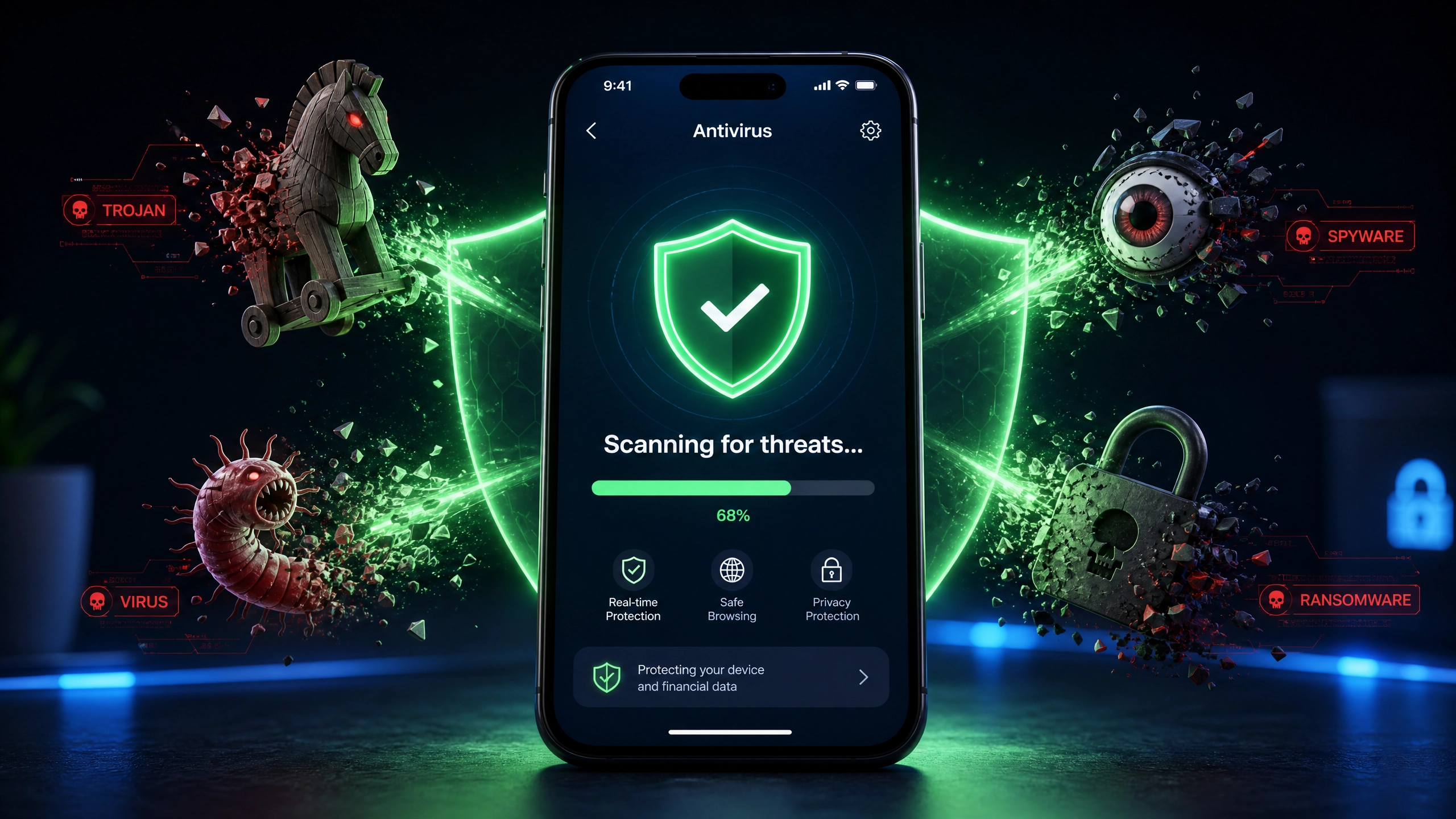
Digital wallets are entirely dependent on three things: the electrical grid, telecommunications infrastructure, and centralized banking servers.
- System Crashes: In the event of a regional power outage, a massive solar flare, or a cyberattack on a primary payment processor (like the outage that struck Visa or Mastercard), digital payments globally halt.
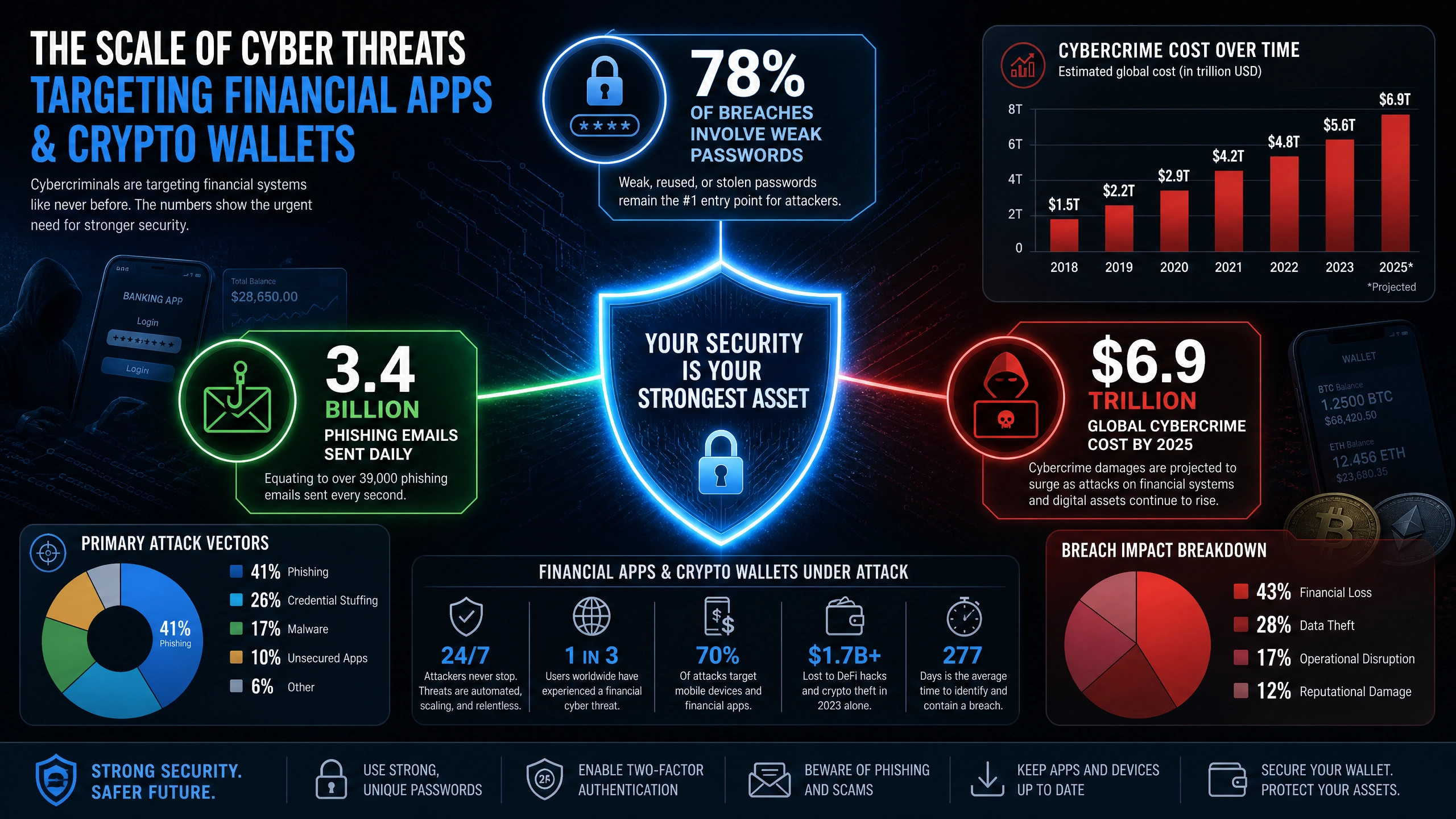
- The Digital Surveillance State: In a cashless world, every single transaction—from a cup of coffee to a medical procedure—is tracked. This creates a historical record of your life that can be accessed by banks, advertisers, and governments, raising severe questions regarding personal financial privacy.
The Recommendation: The “Hybrid Wallet” Approach
The most financially resilient approach is to adopt the digital wallet for 99% of your daily convenience, while maintaining a “Physical Fallback.” Always carry a physical wallet containing at least one credit card and a small amount of emergency cash. Being “cashless-first” is a sign of financial maturity, but being “cashless-only” is a sign of systemic vulnerability.
7. Frequently Asked Questions (FAQ)
Can I use my digital wallet if my phone is dead?
This is a common concern. Most modern flagship smartphones (including iPhones and high-end Androids) reserve a tiny fraction of battery power to keep the NFC chip functional for a few hours after the phone appears to be completely shut down. However, do not rely on this. If your phone is truly dead, your digital wallet is useless. This is why a backup physical card is mandatory.
Are digital wallets accepted everywhere?
NFC contactless payments have achieved critical mass. In the US, UK, Canada, and parts of Europe, virtually every modern merchant accepts contactless. However, if you are traveling to rural areas, smaller local businesses, or certain parts of Asia or Latin America, physical cash or local chip-and-pin cards are still required. Always check your destination’s payment infrastructure before traveling.
Is it safe to use my phone at a public charging station?
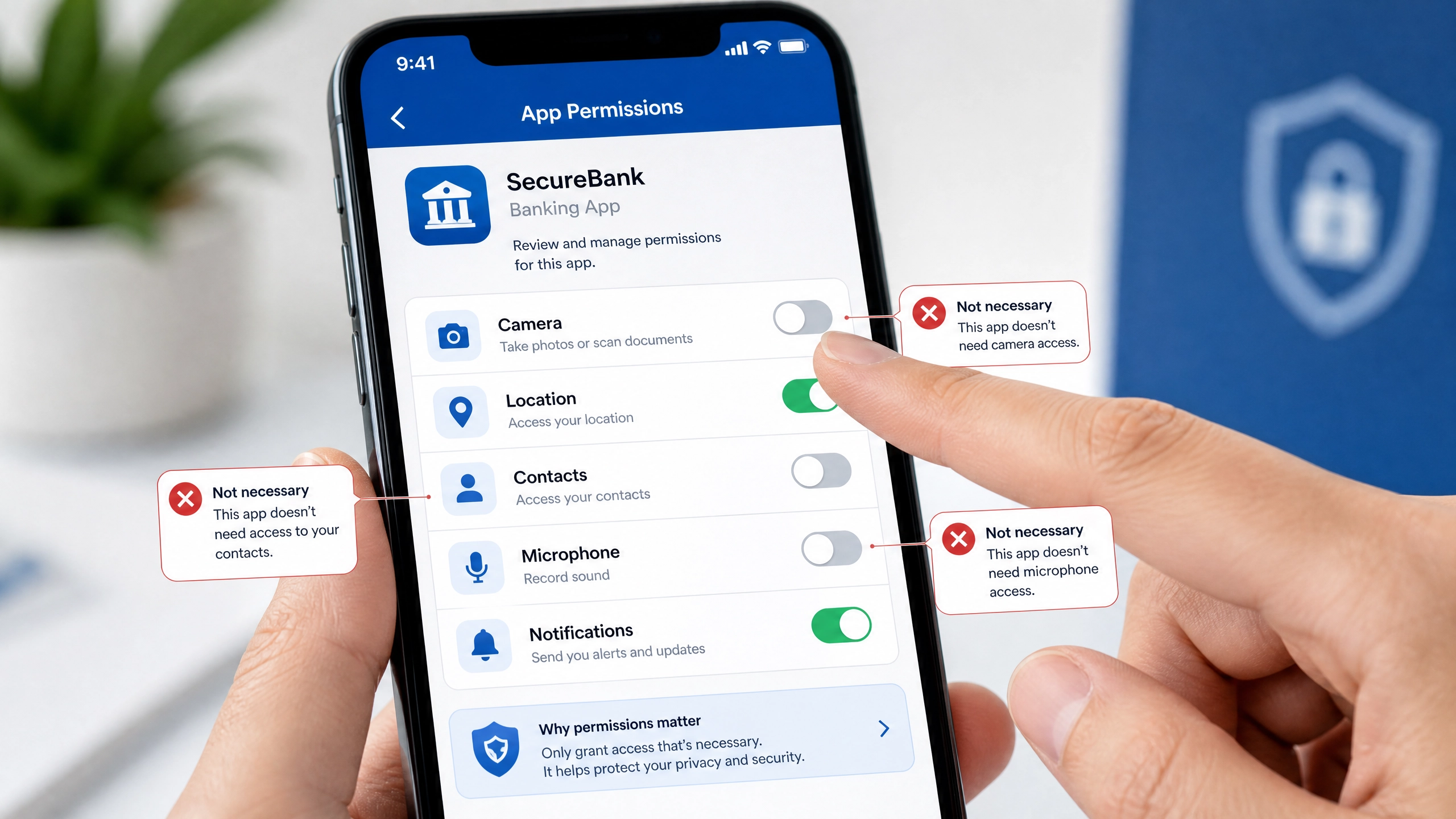
If you are using public USB charging stations (like those in airports), you should use a “USB Data Blocker” or only use your own wall-plug charger. Hackers can sometimes rig public USB ports to perform “juice jacking,” which can theoretically compromise the data on your phone. However, since the digital wallet does not store your actual credit card numbers, it is very difficult to compromise your payment credentials via this method.
Will digital wallets replace physical credit cards entirely?
In the short term, no. Physical cards serve as the necessary fallback when technology fails. However, we are moving toward a world where your physical card is essentially a “backup key” that sits in your home safe, while your smartphone serves as your primary daily payment tool.
Author’s Note: The Philosophy of the Digital Wallet
The transition to digital wallets is a perfect metaphor for the broader evolution of the modern economy. We are trading the physical weight of metallic coins for the weightless speed of digital tokens.
This evolution brings us a level of convenience that our grandparents could not have imagined. You can travel across the world and manage your entire financial life from a device that fits in the palm of your hand. You gain time, you gain security through tokenization, and you gain an incredible amount of logistical freedom.
But we must not let our love for convenience blind us to the risks. A purely digital life is a life lived on the rails of third-party infrastructure. By diversifying your payment methods—using the digital wallet for its unparalleled convenience while maintaining a physical card for systemic resilience—you achieve the best of both worlds. Embrace the speed, master the technology, and enjoy the convenience, but never become completely dependent on a system that could potentially go offline.