
Rare Whisky Investing: Liquid Gold and the Mechanics of Spirits Finance
For centuries, whisky was viewed strictly as a luxury consumable—a premium spirit distilled in the remote glens of Scotland or the historic hills of Japan, meant to be shared and enjoyed among connoisseurs. However, over the past two decades, a quiet revolution has taken place inside global auction houses and private wealth vaults. Rare whisky has completely transformed from an epicurean pleasure into one of the highest-performing alternative asset classes in the world.
In fact, tracking indices such as the Knight Frank Luxury Investment Index have routinely shown rare whisky outperforming traditional blue-chip assets, gold, and even fine wine over sustained ten-year horizons. Unlike fiat currencies that face persistent inflationary pressures, or digital equities that can vanish during systemic market failures, a bottle of rare whisky is a hard, tangible commodity.
It represents a beautiful asymmetry in economics: its supply is structurally fixed and continuously diminishing, while its global demand is expanding exponentially. This comprehensive, multi-layered guide will dissect the complex financial ecosystem of rare whisky investing, exploring how to navigate distilleries, analyze casks, mitigate risks, and build a resilient portfolio of liquid gold.
1. The Macroeconomic Engine of Liquid Gold
The primary catalyst behind the meteoric rise of whisky as an investment vehicle is its unique supply-and-demand dynamic. When you buy a share of a tech company, the board of directors can choose to issue more shares, diluting your equity. When you buy a bottle of single malt Scotch whisky distilled in 1970, the supply is permanently capped by history.
More importantly, whisky is a diminishing asset class. Every time a collector opens a rare bottle to consume it at a milestone celebration, the total surviving population of that specific vintage drops globally. As the supply curve shifts inexorably to the left, the remaining closed bottles naturally experience intense upward price pressure.
Furthermore, the emergence of an affluent upper-middle class in regions like Asia, Latin America, and the Middle East has completely rewritten the demand metrics. High-net-worth individuals (HNWIs) in these regions view rare Scottish and Japanese single malts as the ultimate symbols of prestige, aggressively competing at global auctions to secure historic bottles.
2. Bottle Investment vs. Cask Investment: The Two Pathways
Investors entering the whisky market must immediately choose between two fundamentally different operational pathways. Both offer excellent returns, but they carry completely distinct risk profiles, capital requirements, and liquidity horizons.

The Dynamics of Bottle Speculation
Bottle investing is the most accessible entry point into the market. It involves acquiring physical, bottled single malts directly from premium retail releases, specialized brokers, or international auction houses.
-
The Advantage: Immediate ownership, high liquidity, lower initial capital requirements, and absolute transparency regarding condition, fill level, and labeling.
-
The Disadvantage: You are buying a finished product. Whisky only matures and improves inside the wooden oak cask; once it is transferred into a glass bottle, the maturation process stops completely. A 12-year-old whisky remains a 12-year-old whisky, even if it sits on your shelf for half a century.
The Mechanics of Cask Arbitrage
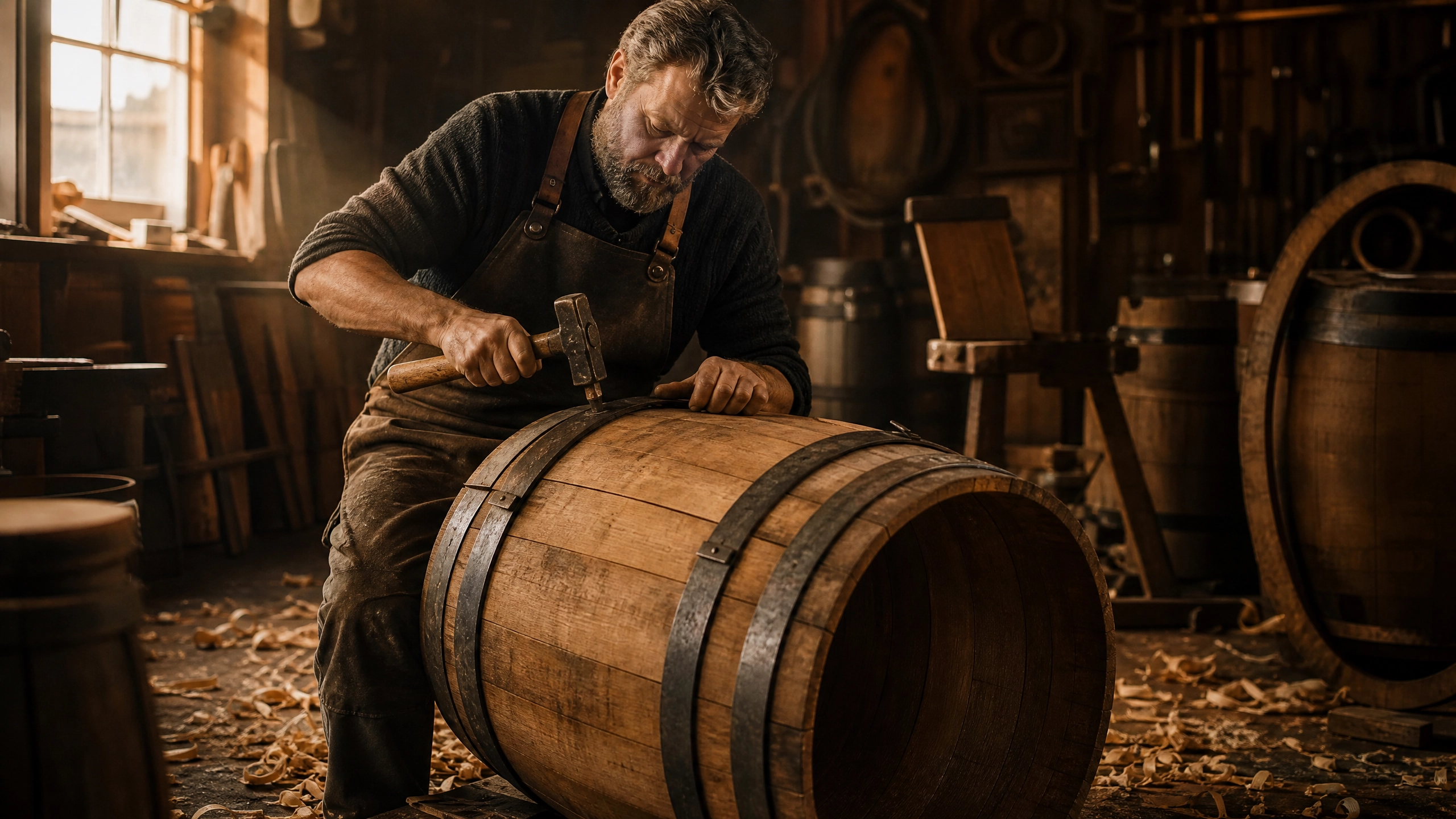
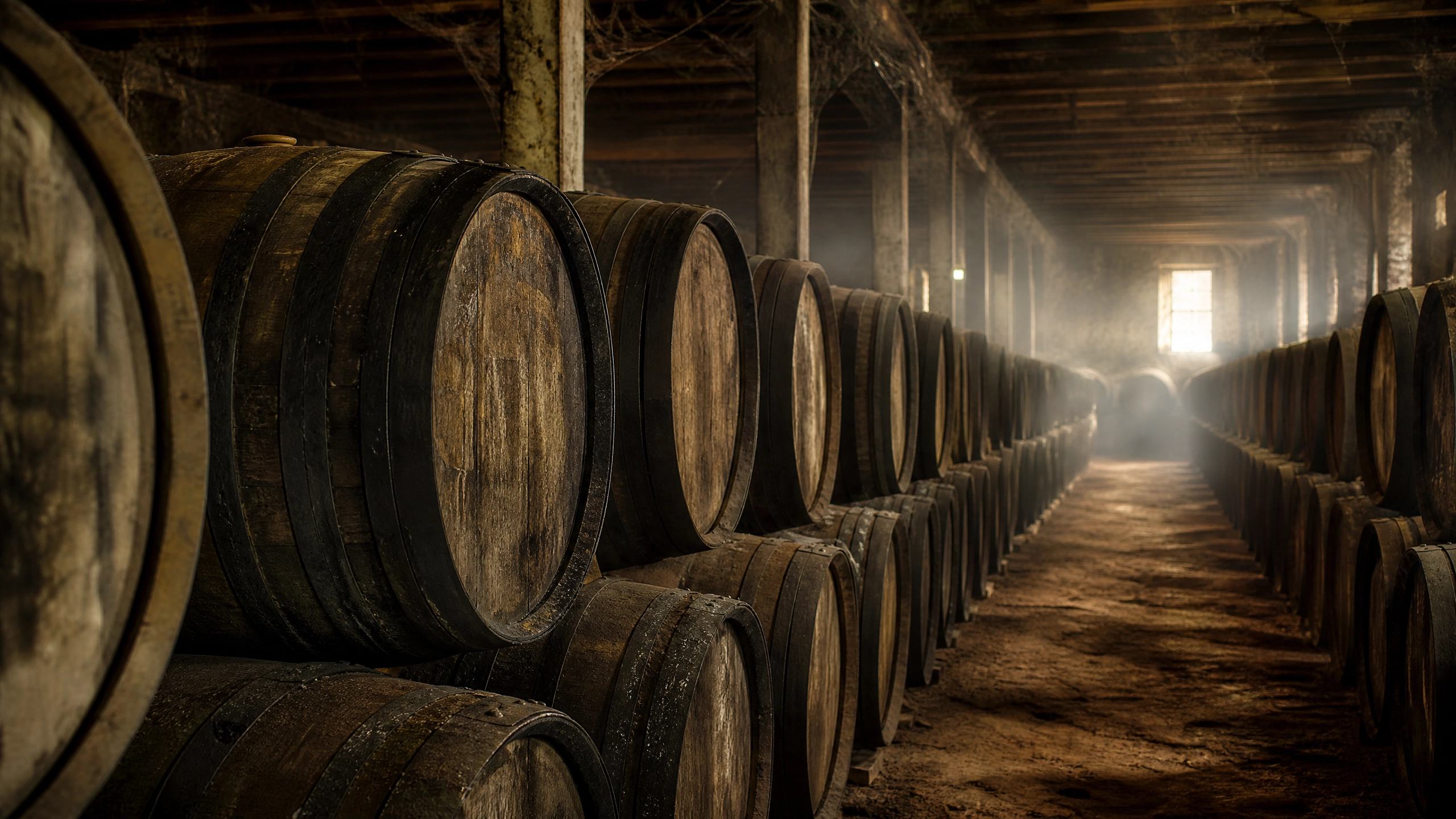
Cask investing involves buying an entire barrel of new-make spirit or maturing whisky directly from a distillery’s bonded warehouse. The investor pays annual storage fees (“rent” and insurance) while the spirit interacts with the wood, naturally developing its flavor profile, color, and value over time.
-
The Advantage: True organic growth. As the whisky transitions from a raw 3-year-old spirit to a highly prized 18- or 25-year-old single malt, its financial valuation scales exponentially. The investor can eventually sell the entire cask back to the distillery, to an independent bottler, or choose to bottle it privately for a massive retail premium.
-
The Disadvantage: Higher barrier to entry, strict regulatory oversight, and the physical threat of excessive evaporation (known as the “Angel’s Share”).
3. The Power Tiers: Evaluating Blue-Chip Distilleries
Not all whisky bottles are destined for capital appreciation. The vast majority of supermarket whiskies are commercial blends designed for immediate consumption. True investment horology requires focusing on an elite circle of historic distilleries that command absolute reverence among global collectors.
                  [THE APEX: SILENT STILLS]
                 (Karuizawa, Port Ellen, Brora)
                           |
                           v
              [THE BLUE CHIPS: MARKET LEADERS]
             (The Macallan, Springbank, Yamazaki)
                           |
                           v
               [THE GROWTH TIER: RISING STARS]
            (Ardbeg, Bowmore, Chichibu, Macallan Alternative)
The Macallan: The Sovereign of the Secondary Market
If Rolex is the king of watches, The Macallan is the undisputed emperor of rare whisky. The Speyside distillery has mastered the art of luxury positioning, routinely shattering world records at auction. In fact, a single bottle of The Macallan 1926 Fine and Rare vintage famously crossed the auction block for over $2.7 million. The brand’s limited-edition series—such as The Fine & Rare Collection, The Red Collection, and their Lalique crystal decanter collaborations—are the cornerstones of any blue-chip spirits portfolio.
The Japanese Phenomenon: Yamazaki and Hakushu
Over the past decade, Japanese whisky has transitioned from a localized industry into a hyper-luxury global phenomenon. Led by parent company Suntory (Yamazaki, Hakushu, Hibiki), old age-statement Japanese whiskies are incredibly scarce. The strict cultural commitment to blending perfection, combined with an acute shortage of aged inventory from the 1980s and 90s, has driven secondary market prices for references like the Yamazaki 50-year-old or 55-year-old into the stratosphere.
4. The Allure of Silent Stills: Lost Distilleries
In the whisky investment landscape, there is a legendary category known as “Silent Stills” or “Ghost Distilleries.” These are production facilities that were permanently closed, dismantled, or destroyed during historic economic recessions—most notably the great whisky glut of the early 1980s.
When a distillery is silent, its remaining inventory is completely finite. There are no active stills creating new spirit to replenish the stocks. Every bottle pulled from a fading warehouse represents a piece of ghost history that can never be replicated.
-
Scotland’s Ghosts: Port Ellen (Islay) and Brora (Highlands) are the two most famous Scottish examples. Their heavily peated, deeply complex old profiles are highly coveted by purist investors.
-
Japan’s Mythical Lost Icon: Karuizawa. Closed in 2001 and completely demolished, Karuizawa’s remaining sherry-cask single malts are legendary. Packaged with stunning artwork (such as the famous “Geisha” series), these bottles represent the absolute pinnacle of alternative asset scarcity.
5. Critical Valuation Metrics: Decoding Bottle Value
Before transferring funds to acquire a rare bottle, an investor must perform a rigorous multi-point physical audit. Minor structural anomalies can completely destroy the secondary market liquidity of a spirit.
Fill Level (The Ullage)
Whisky is sealed inside glass bottles using natural cork closures. Over decades, microscopic amounts of air pass through the cork, causing gradual fluid evaporation. This fluid drop is known as ullage.
An auction house will meticulously document the fill level:
-
Into Neck / Base of Neck: Excellent condition for vintage bottles; commands maximum value.
-
Mid-Shoulder: Indicates significant evaporation or an compromised cork seal; slashes investment value by 30% to 50%.
Label and Capsule Integrity
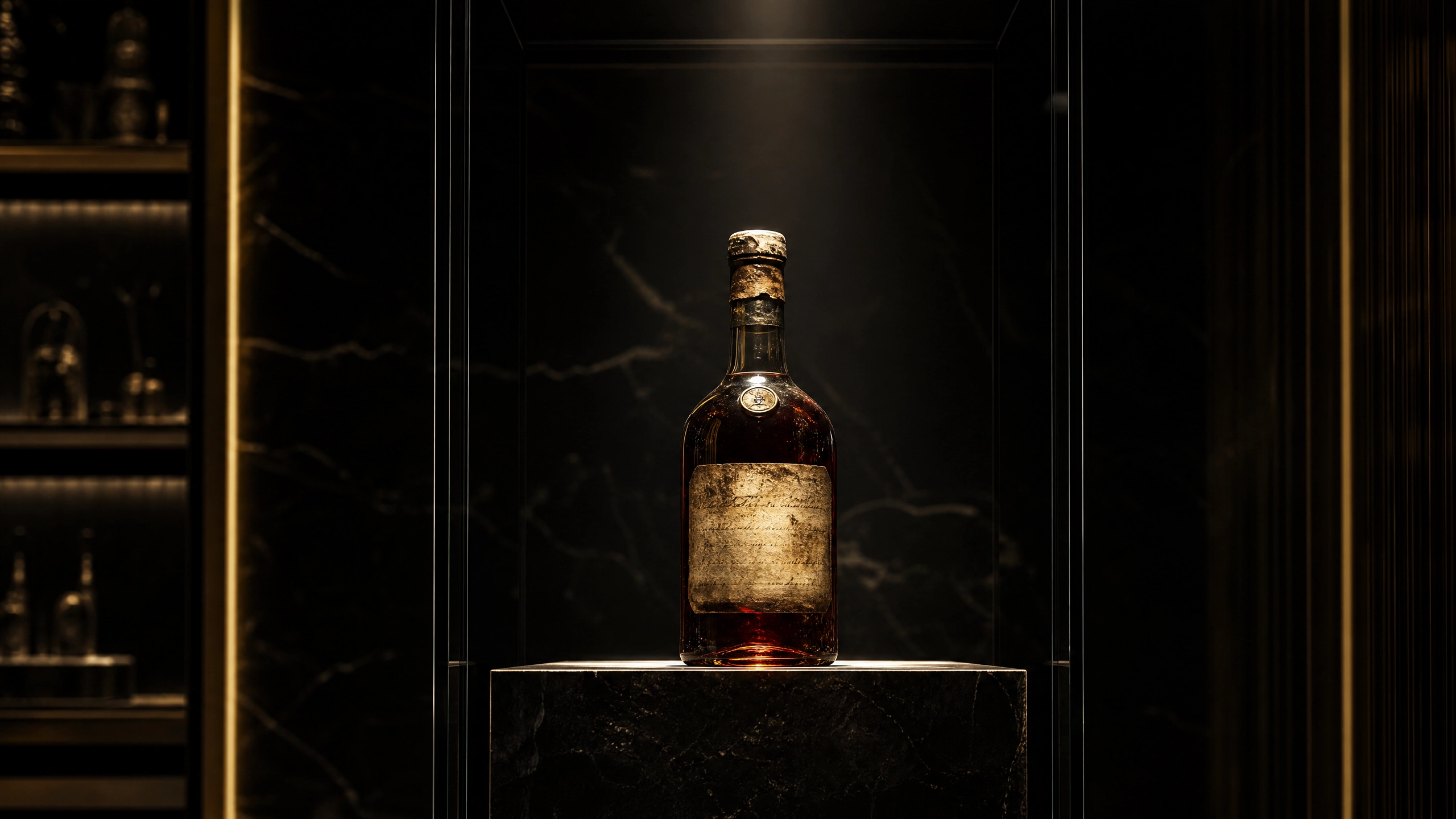
In traditional finance, the condition of a stock certificate doesn’t matter. In spirits finance, the label is the asset’s face. If a vintage label is torn, water-damaged, stained by damp warehouse conditions, or showing signs of peeling, collectors will aggressively avoid it. The foil or wax capsule sealing the cork must also be entirely intact and free of cracks to eliminate the suspicion of tampering or bottle-refilling.
6. The Comparative Landscape of Global Whisky Regions
| Whisky Region | Key Investment Distilleries | Primary Taste Profile | Market Liquidity | 10-Year Growth Outlook |
| Speyside (Scotland) | The Macallan, Balvenie, Glenfiddich | Rich, sherried, fruity, elegant | Exceptionally High | Stable, Reliable Growth |
| Islay (Scotland) | Port Ellen, Bowmore, Laphroaig, Ardbeg | Heavily peated, smoky, maritime | Very High | Aggressive Growth |
| Campbeltown (Scot.) | Springbank, Longrow | Oily, industrial, complex, rare | High | Very High (Cult Following) |
| Japan | Karuizawa, Yamazaki, Chichibu | Clean, oaky (Mizunara), precise | High | Highly Volatile but Lucrative |
| United States | Pappy Van Winkle, Buffalo Trace | Sweet, rich corn bourbon, vanilla | Moderate (Regional) | Moderate to High |
7. Sourcing and Liquidating Your Liquid Portfolio
Operating in an unregulated alternative market means transaction costs and counterparty risks are highly pronounced. Novice investors must establish relationships with verified institutional channels to protect their capital deployment.
Sourcing Channels for Investors
-
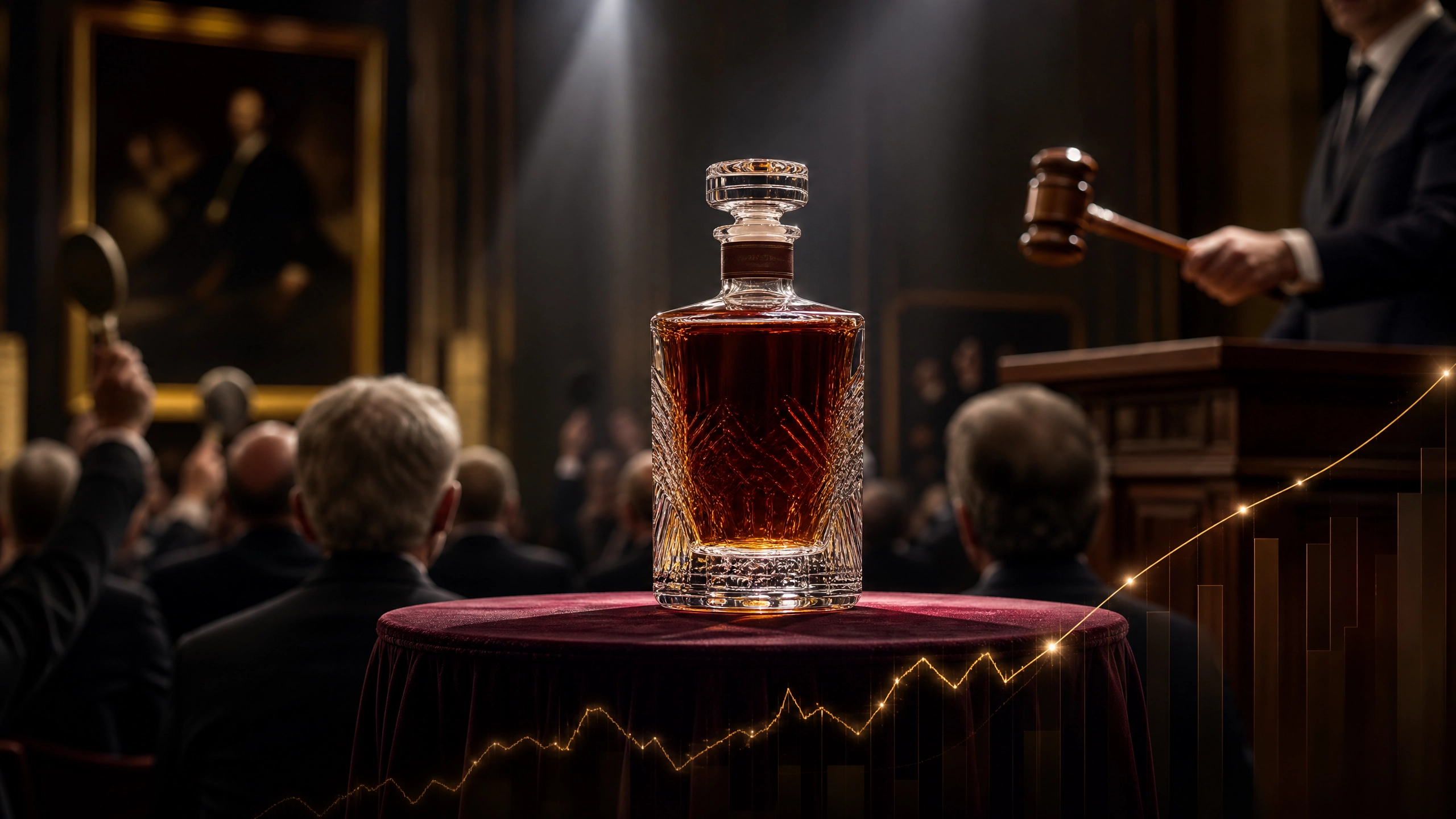
Specialized Auction Houses: Platforms like Whisky Auctioneer or Sotheby’s host dedicated monthly and bi-annual spirits auctions. These platforms provide deep market transparency, historical pricing indices, and expert cataloging.
-
Primary Allocation Networks: Establishing strong relationships with high-end luxury retailers to secure flagship limited-edition bottles at original retail prices (MSRP) before they hit the secondary gray market.
Liquidation Strategies
Unlike selling stocks with the click of a button, liquidating a high-value whisky collection requires patience. The primary exit strategy is consignment to dedicated spirits auctions.
Investors must account for the “Spread”—the auction house will typically charge a seller’s commission (anywhere from 5% to 15%) and the buyer must pay a buyer’s premium. Therefore, a bottle must appreciate significantly above these combined transactional friction costs before turning a net profit.
8. Managing the Risks: Forgeries and the Wasting Asset Trait
As capital has poured into the spirits sector, sophisticated criminal syndicates have targeted the market with high-tech forgeries.
The Threat of Counterfeit Bottles
Counterfeiters routinely acquire authentic, empty vintage bottles from high-end restaurants and bars. They then fill these original bottles with cheap, young commercial blends, reseal them with artificial wax or replicated foil capsules, and artificially age the labels using chemicals.
To combat this threat, advanced auction houses now utilize chemical analysis, radiocarbon dating, and ultraviolet light scanning to verify glass age, paper composition, and the exact chemical footprint of the liquid inside. The golden rule for any investor remains absolute: Buy the seller, not just the bottle.
Physical Vulnerabilities and Wasting Asset Status
Unlike wine, which continues to evolve and can eventually turn into vinegar inside the bottle, whisky is chemically stable once bottled. It can theoretically last for centuries if properly preserved.
However, it is highly vulnerable to environmental factors:
-
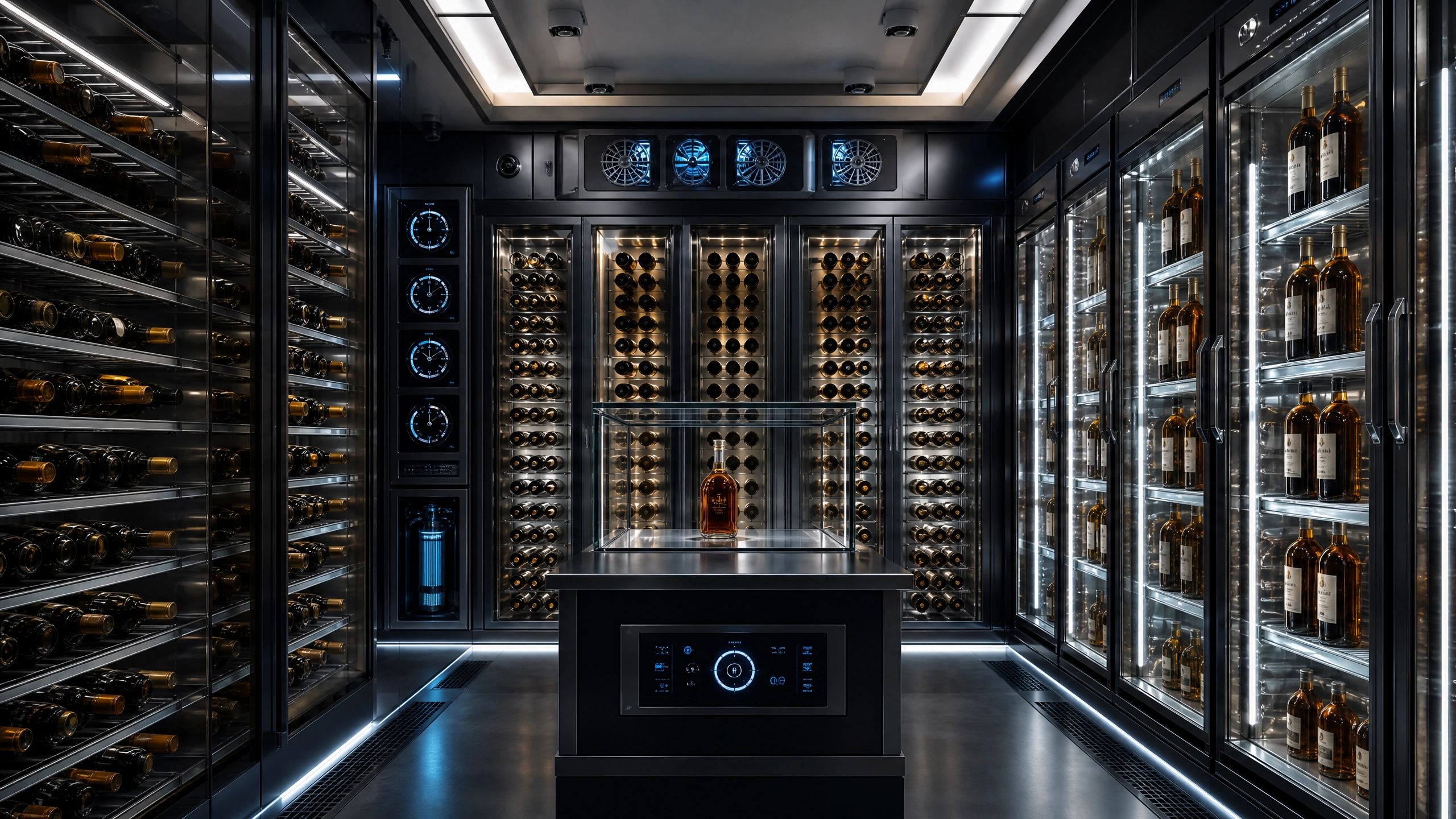
Vertical Storage Mandatory: Wine is stored horizontally to keep the cork wet. Whisky must be stored strictly upright. Because of the high alcohol percentage (often exceeding 40-50% ABV), prolonged direct contact with the liquid will eat away and disintegrate the cork, destroying the spirit.
-
Light and Temperature Control: Direct UV light will bleach the natural color of the whisky and degrade the delicate chemical flavor compounds within weeks. Bottles must be kept in complete darkness inside a temperature-regulated environment.
9. Structural Framework of a Whisky Portfolio
A disciplined approach to spirits investing requires strategic diversification across different regions, ages, and styles to optimize the risk-to-reward ratio.
+-------------------------------------------------------+
|                SPECULATIVE INDEPENDENTS               |
|      (Rising Craft Stills & New-Make Cask Shares)     |
+-------------------------------------------------------+
|                    HISTORICAL GHOSTS                  |
|          (Silent Stills: Karuizawa, Port Ellen)       |
+-------------------------------------------------------+
|                    BLUE-CHIP ANCHORS                  |
|         (The Macallan, Yamazaki, Springbank)          |
+-------------------------------------------------------+
The Portfolio Breakdown
-
The Foundation (50% Allocation): Devoted entirely to blue-chip Scottish and Japanese distilleries with established historical auction performance. Focus heavily on official distillery bottlings (OBs) with clear age statements (18, 25, 30 years old) from market leaders like The Macallan and Yamazaki.
-
The Rare Growth Assets (35% Allocation): Focused on silent stills and extremely limited collector series with fixed global counts. These items act as hyper-scarce historical artifacts that attract massive premiums during market upswings.
-
The Alpha Speculation (15% Allocation): Allocated to rising independent bottlers (like Gordon & MacPhail or Signatory Vintage) who buy casks from famous distilleries and release them under their own labels, or speculative shares in emerging craft distilleries showing immense critical acclaim.
10. Conclusion: The Liquid Safe Haven
Rare whisky investment represents a fascinating intersection of cultural history, sensory artistry, and rigorous financial strategy. In an economic era dominated by digital volatility, fiat currency devaluation, and unpredictable stock market movements, the absolute tangibility of a world-class single malt remains an immensely compelling alternative haven.
By prioritizing flawless bottle condition, securing ironclad provenance, respecting the strict storage parameters, and focusing capital allocation on blue-chip names and silent stills, investors can transform a deep appreciation for premium spirits into a highly sophisticated asset management vehicle. It is a slow-yielding, highly rewarding journey where time is your ultimate ally—compounding the rarity, historical value, and cultural prestige of your portfolio with every passing year.