Luxury Handbags as Investments: The Definitive Guide to Wearable Wealth
For decades, the world of high finance was strictly defined by ticker symbols, real estate portfolios, and precious metals. Fashion was considered a depreciating expense—a realm of fleeting trends and seasonal consumption. However, the last twenty years have fundamentally rewritten this narrative. Today, the concept of wearable wealth is recognized by major financial institutions, auction houses, and alternative asset managers. Welcome to the lucrative, highly guarded world of luxury handbags as investments.
Unlike a sports car that depreciates the moment the tires touch the pavement, or a tech stock that can plummet based on a single quarterly earnings report, certain elite handbags have demonstrated a staggering ability to retain and multiply their value. In fact, historical data shows that specific models have consistently outpaced the S&P 500 and the price of gold over a sustained ten-year period.
Investing in this market, however, is not as simple as walking into a boutique and purchasing a beautiful bag. It is an intricate ecosystem governed by strict artificial scarcity, aggressive corporate pricing strategies, complex secondary market dynamics, and extreme brand loyalty. This comprehensive guide will navigate the mechanics of fashion finance, detailing exactly how to source, evaluate, and maintain luxury handbags as a serious asset class.
1. The Economic Engine of the Handbag Market
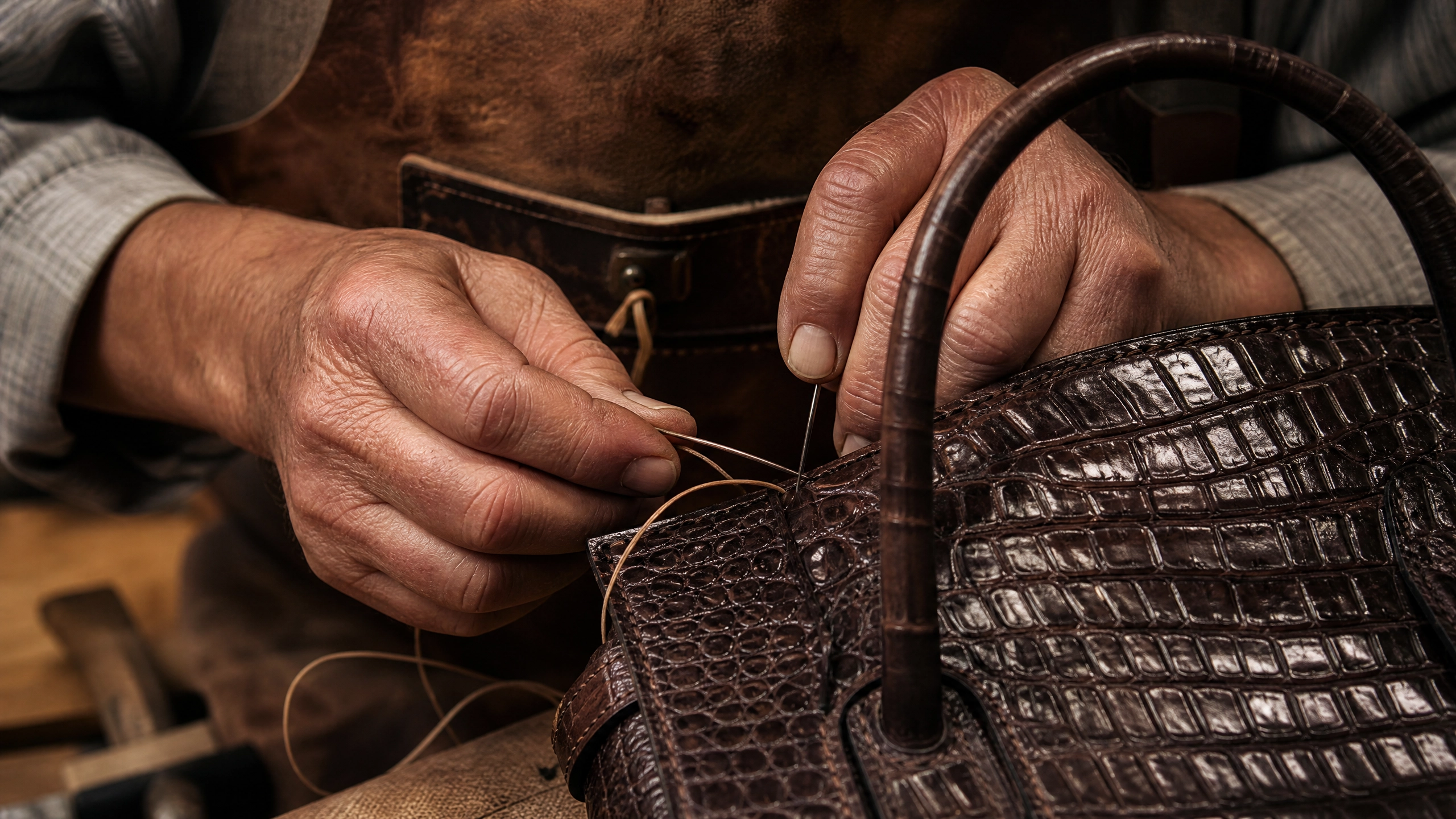
To understand why a purse can cost as much as a luxury automobile—and appreciate even further—one must understand the economic principles that top-tier fashion houses weaponize to protect their brand equity.
Artificial Scarcity and the Veblen Effect
The most coveted bags in the world are prime examples of “Veblen goods.” In traditional economics, demand decreases as the price of a product increases. With Veblen goods, the exact opposite occurs: as the price rises, the product becomes more desirable precisely because it signals immense wealth and exclusivity to others.
Luxury brands manufacture artificial scarcity to fuel this effect. They do not produce enough flagship models to satisfy global demand, purposefully leaving their wealthiest clients waiting. This creates a massive supply deficit. When a product is nearly impossible to buy at retail, a booming secondary market is instantly born, where affluent buyers willingly pay double or triple the retail price simply to skip the waitlist.
Aggressive Price Harmonization
Top brands utilize a strategy of continuous retail price increases. Chanel, for example, has raised the retail price of its Classic Flap bag multiple times a year over the last half-decade. A bag that cost $5,000 a few years ago now commands well over $10,000 at the boutique.
This aggressive pricing strategy has a profound impact on the investment market. Because the brand constantly raises the ceiling for new bags, the floor for pre-owned and vintage bags is automatically lifted. If a consumer cannot afford the new $10,000 price tag, they turn to the secondary market, driving up the value of older models. Thus, early investors who purchased these bags years ago see their unrealized gains multiply without doing any work.
2. The “Holy Trinity” of Handbag Investments
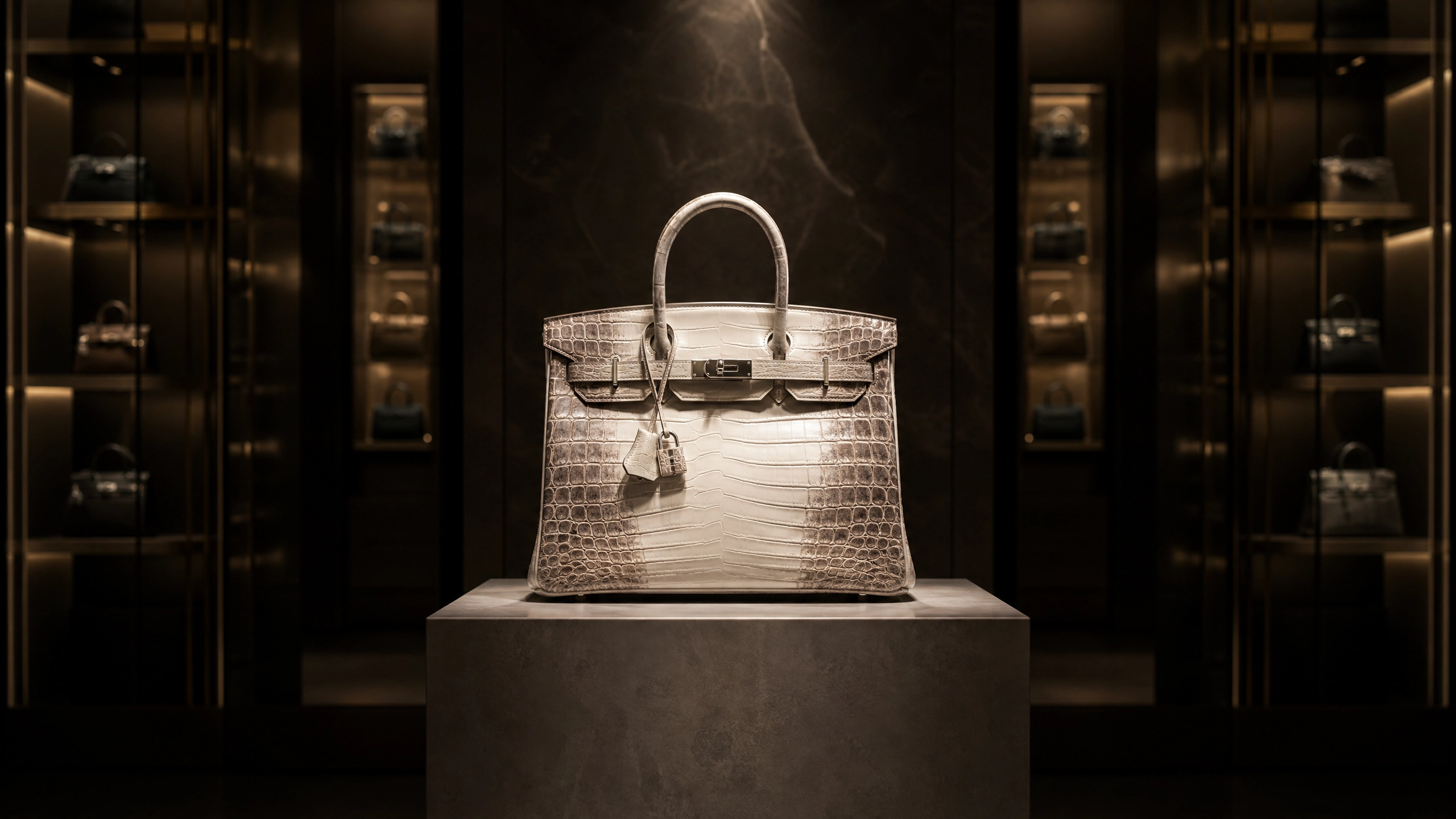
While thousands of designer brands exist, the true investment-grade market is overwhelmingly dominated by a “Holy Trinity” of French fashion houses. These brands possess the deep historical heritage and strict corporate discipline required to maintain secondary market premiums.
Hermès: The Undisputed Pinnacle of Asset Appreciation
Hermès operates in a stratosphere entirely its own. The brand does not merely sell bags; they grant their clients the privilege of purchasing them. You cannot walk into an Hermès boutique, point to a Birkin or a Kelly bag, and hand over your credit card.
To be offered a quota bag (a Birkin or Kelly), a client must establish a deep relationship with a Sales Associate and build a “prespend” profile—often spending tens of thousands of dollars on less desirable items like homeware, ready-to-wear clothing, and watches. Only then might they be invited into a private room and offered a bag in a color and size chosen by the boutique, not the client.
Because the barrier to entry is so exhausting and expensive, the secondary market for Hermès is explosive. A basic leather Birkin purchased at retail for $12,000 can be flipped on the secondary market the very same day for $24,000 to $30,000, depending on the specifications.
Chanel: The Power of Aggressive Valuation
While Hermès relies on the quota system, Chanel has built its investment case on aggressive, unapologetic price hikes. The brand’s flagship model, the Classic Double Flap, has evolved from a practical accessory into a financial instrument.
Chanel’s strategy is to position its top bags at the exact same price point as Hermès, elevating the brand’s perceived exclusivity. Furthermore, Chanel routinely limits the number of classic bags a single client can purchase per year. Vintage Chanel pieces—particularly those manufactured before 2008, which feature hardware plated in 24-karat gold (a practice the brand has since discontinued)—are highly sought after by purist collectors and command massive premiums at auction.
Louis Vuitton: Limited Editions and Heritage Canvas
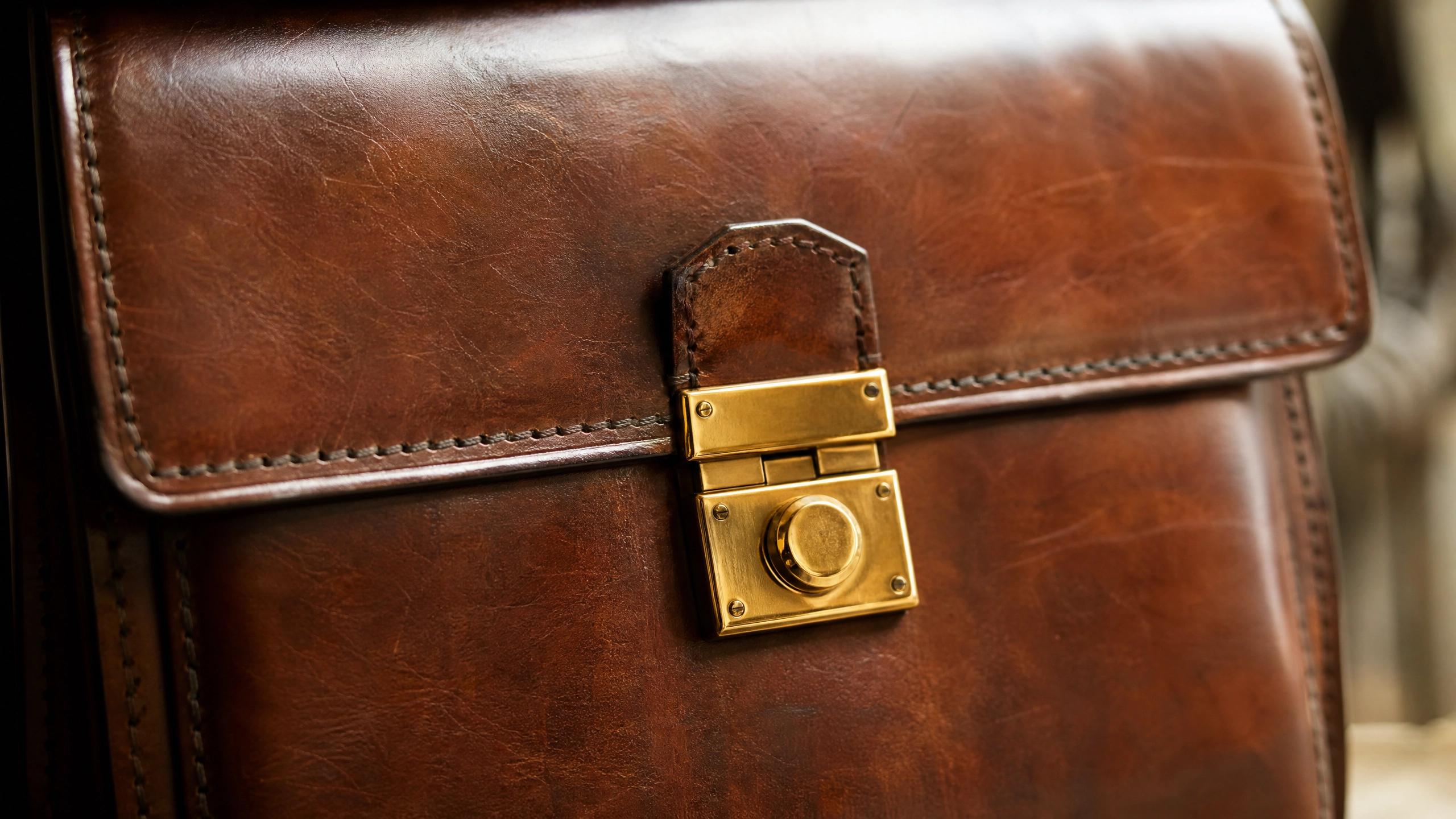
Louis Vuitton presents a different investment model. While their basic monogram canvas bags are excellent quality, they are mass-produced and generally do not appreciate significantly above their retail price (though they hold their value better than 95% of other brands).
The true investment value in Louis Vuitton lies in their Limited Edition collaborations and ultra-rare runway pieces. Collaborations with legendary artists like Takashi Murakami, Yayoi Kusama, and Stephen Sprouse, or collections designed by the late Virgil Abloh, have a fixed, finite supply. Once the season ends, the bags are never produced again, making them highly liquid cultural artifacts that steadily appreciate over time.
3. Key Metrics: What Makes a Bag Investment-Grade?
Not every Birkin or Chanel Flap is a guaranteed financial winner. The secondary market is highly discerning, and valuations fluctuate based on a strict matrix of physical attributes. If you are buying for investment, you must evaluate the following metrics.
Condition and the Grading Scale
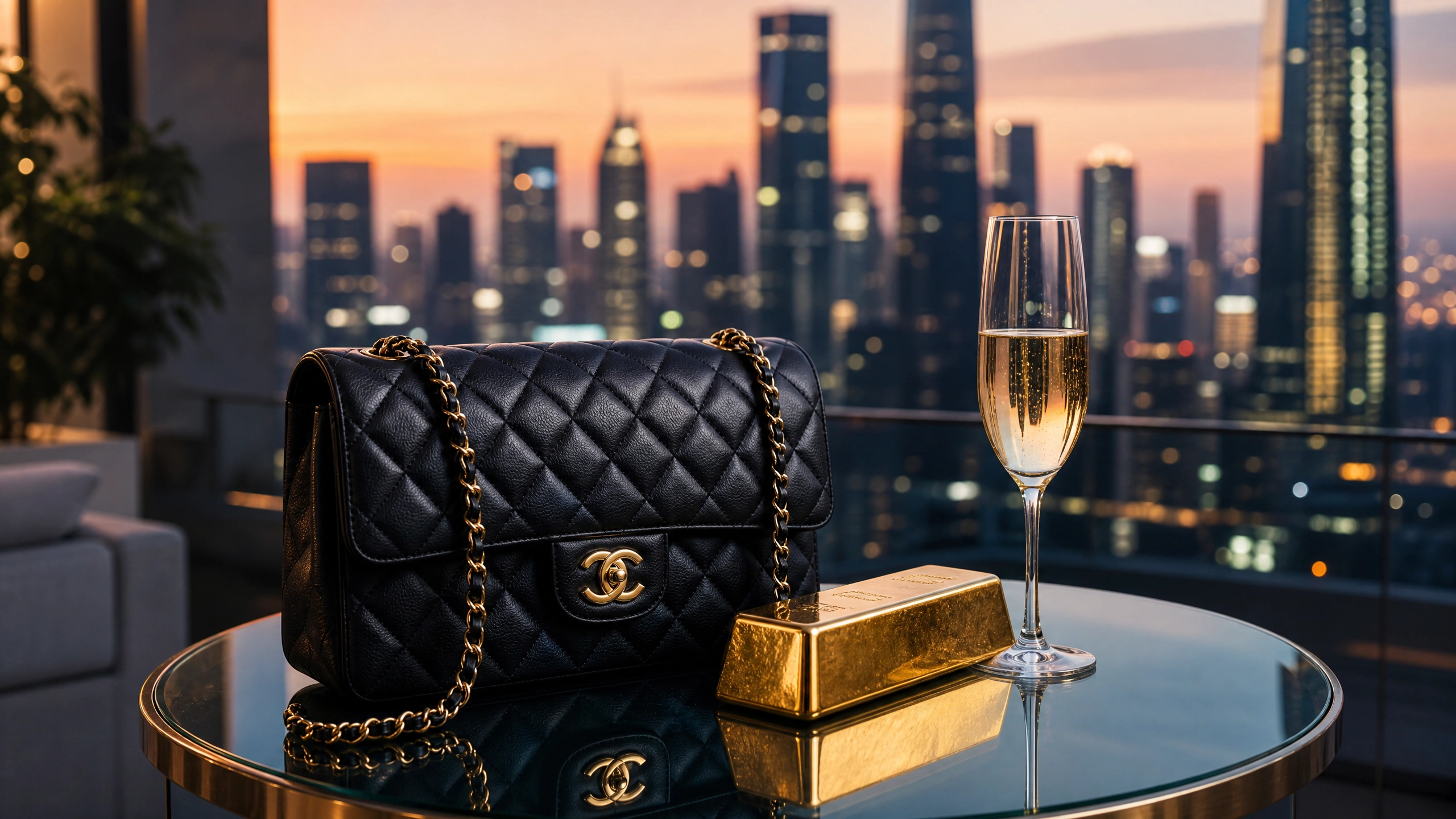
In the world of fashion finance, condition dictates everything. A rare bag that is heavily damaged is virtually worthless as an investment. The market relies on a standardized grading scale:
-
Store Fresh / Pristine (NWT): New With Tags. The bag has never been carried. The protective plastic is still on the hardware, the leather smells new, and it includes the original box, dustbag, and receipt. This commands the maximum market premium.
-
Excellent: The bag has been carried once or twice. No visible scratches on the hardware, perfect corners, and a spotless interior.
-
Very Good: Minor signs of wear, such as faint hairline scratches on the clasp or a slight softening of the leather. Retains strong value but loses the “collector’s premium.”
-
Fair/Poor: Scuffed corners, pen marks inside, or tarnished hardware. Avoid these for investment purposes, as restoration costs will negate any potential profit.
Leathers and Exotic Skins
The material of the bag heavily influences its durability and resale value.
For Hermès, rigid leathers like Epsom and Chevre (goat) are highly desired because they hold the bag’s structural shape over decades. Togo (calfskin) is the most popular for its scratch resistance.
Exotic skins operate in a separate, hyper-luxury bracket. Crocodile, alligator, ostrich, and lizard bags represent the absolute peak of the pricing structure. However, trading exotics requires strict adherence to international laws, specifically CITES (Convention on International Trade in Endangered Species) certificates. A crocodile bag without its original CITES paperwork cannot legally cross international borders, effectively destroying its global liquidity and investment value.
Color and Hardware Desirability
While seasonal, neon colors might be fun, they are terrible investments. To guarantee liquidity, investors stick to neutral, universally desired palettes.
-
The Neutrals: Black, Gold (a specific Hermès tan), Étoupe (taupe), and Craie (chalk). These colors match any wardrobe, ensuring a massive pool of potential secondary buyers.
-
Hardware: Gold-plated hardware (GHW) and Palladium hardware (PHW) are the standards. However, rare hardware, such as Rose Gold or the ultra-exclusive So Black (PVD coated hardware), can add thousands of dollars in premium to a bag’s valuation.
4. Comparative Analysis: Top Investment Models
| Brand | Target Investment Model | Ideal Size | Best Leather/Material | Market Liquidity | Potential Return Risk |
| Hermès | Birkin | 25cm or 30cm | Togo, Epsom, Crocodile | Extremely High | Low Risk |
| Hermès | Kelly (Sellier) | 25cm or 28cm | Epsom, Box Calf | Extremely High | Low Risk |
| Chanel | Classic Medium Flap | Medium | Caviar Leather (Scratch resistant) | High | Low/Medium Risk |
| Chanel | Vintage Flap (Pre-2008) | Medium or Jumbo | Lambskin (with 24k Gold Hardware) | Moderate | Medium Risk |
| Louis Vuitton | Artist Collaborations | Keepall 50 or Neverfull | Monogram Canvas | Moderate | Medium Risk |
5. Navigating the Secondary Market: How to Transact
The greatest threat to a handbag investor is not a market crash; it is a counterfeit product. As secondary market prices have soared into the tens of thousands of dollars, the counterfeit industry has evolved into a multi-million dollar high-tech enterprise.
The Super-Fake Epidemic
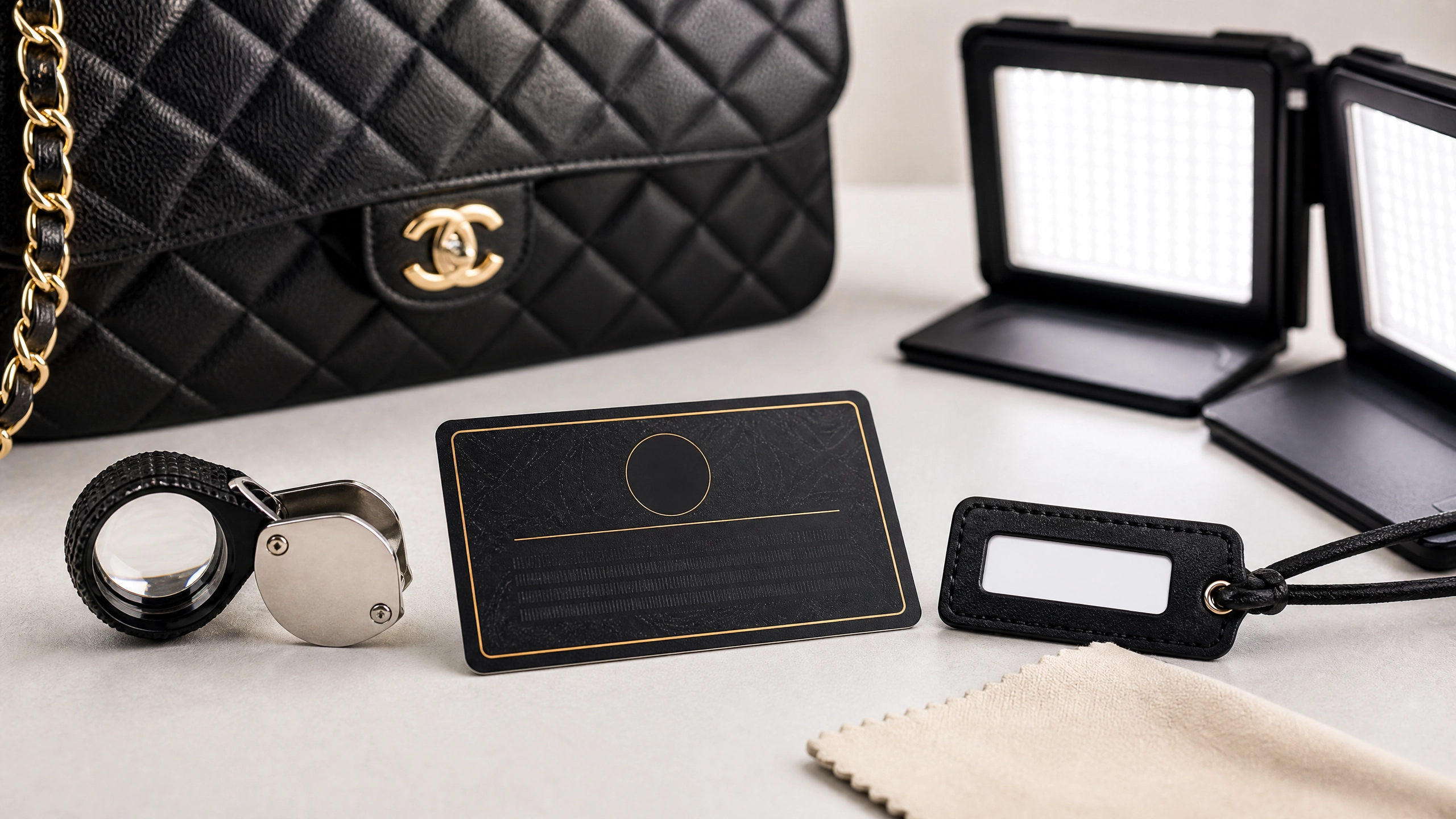
Modern “super-fakes” are terrifyingly accurate. They are hand-stitched by skilled artisans, use smuggled European leathers, and even replicate the microscopic date codes and microchips used by the brands. An untrained eye cannot tell the difference between a $30,000 genuine Birkin and a $2,000 super-fake.
Therefore, an investor must never buy a bag from unverified peer-to-peer marketplaces or social media sellers based on trust. Authentication is non-negotiable.
Verified Transaction Channels
To protect your capital, only buy and sell through established, institutional channels that offer absolute financial guarantees regarding authenticity:
-
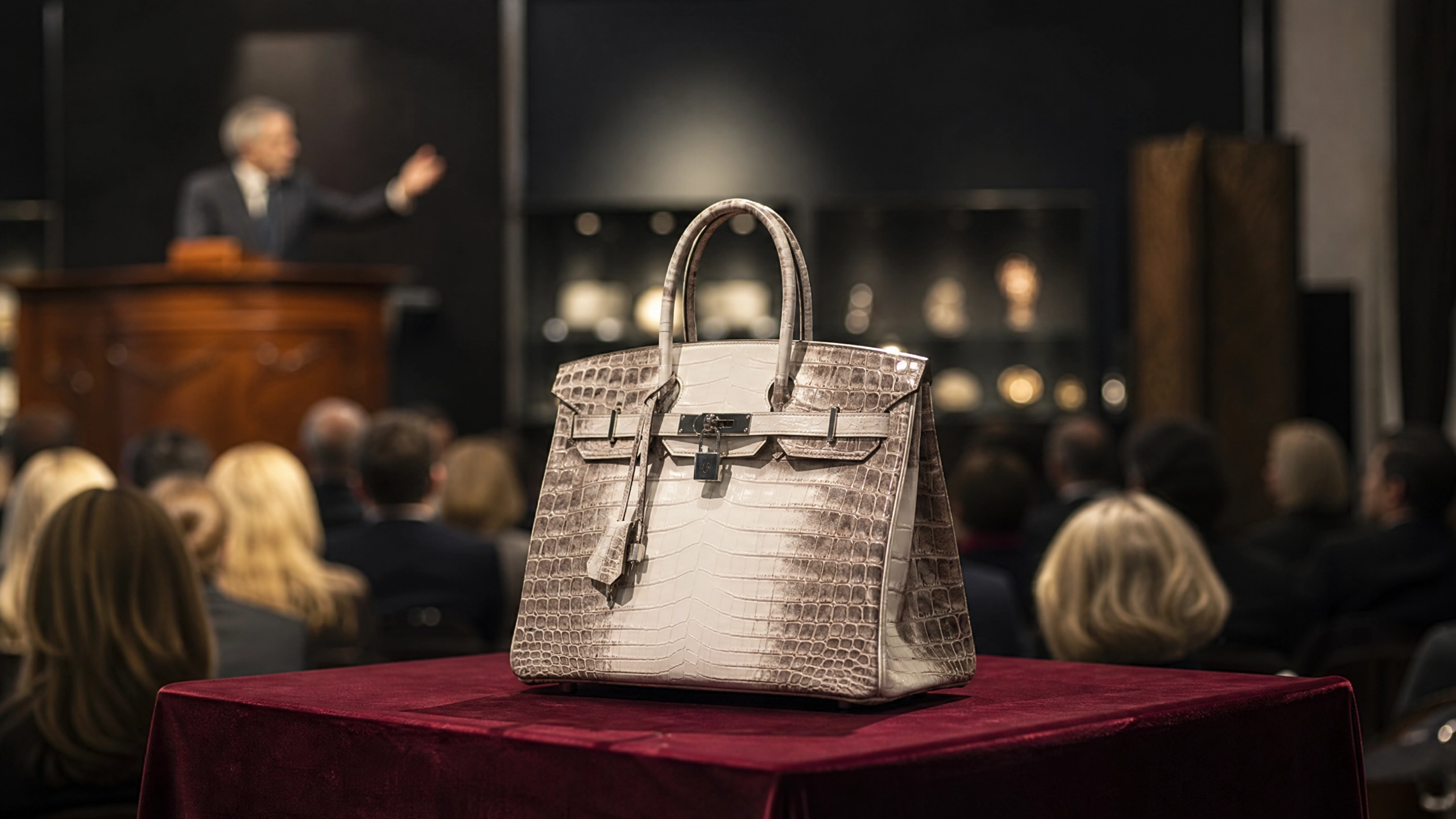
Major Auction Houses: Christie’s, Sotheby’s, and Bonhams host dedicated luxury handbag auctions globally. Bags purchased here come with ironclad provenance and expert authentication.
-
Elite Consignment Platforms: Companies like Sotheby’s Concierge, Privé Porter, and Madison Avenue Couture act as high-end brokers. They charge a commission (typically 15% to 25%), but they expose your bag to a massive, verified network of global buyers, ensuring rapid liquidity and safe fund transfers.
-
Third-Party Digital Authentication: If transacting privately, always require a certificate from reputable authentication services like Bababebi (the gold standard for Hermès) or Entrupy (which uses microscopic AI camera technology to verify leather grains).
6. The Cost of Carrying: Maintenance and Preservation
Unlike a stock portfolio that sits safely on a server, a tangible luxury handbag is highly vulnerable to its environment. Preserving the bag’s pristine condition is the only way to protect your financial investment. Improper storage can destroy a $20,000 bag in a matter of months.
The Archival Storage Protocol
To maintain a bag in “Store Fresh” condition, strict protocols must be followed:
-
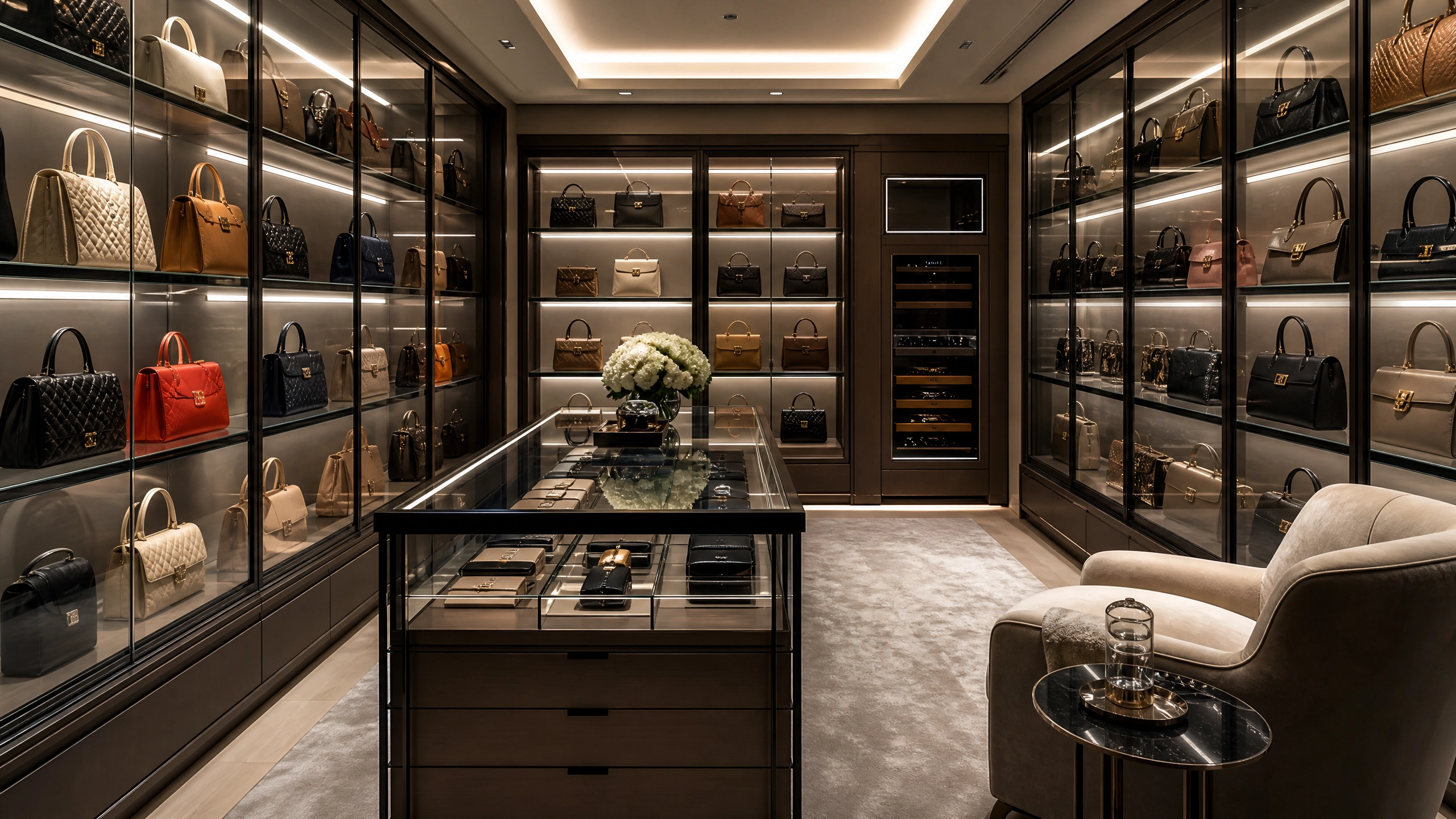
Climate Control: Leather is organic. If stored in a humid environment, mold will grow and ruin the interior. If stored in a completely dry environment, the leather will crack. Bags must be kept in temperature-controlled rooms, ideally between 40% and 50% humidity.
-
Structural Support: Bags must never be hung by their handles, which stretches the leather over time. They must sit upright on a flat surface. The interior must be stuffed with acid-free archival tissue paper (never newspaper or bubble wrap) to maintain the exact structural geometry of the bag.
-
Light Protection: Prolonged exposure to direct sunlight or harsh fluorescent lights will permanently fade the leather dyes and cause irreversible discoloration. Bags should always be stored inside their original, breathable cotton dustbags. Never store a bag inside its closed cardboard box for long periods, as the lack of airflow can dry out the materials.
Specialized Insurance
Standard homeowner’s insurance policies typically cap payouts for personal luxury goods at a few thousand dollars. If you build a handbag portfolio worth $100,000, a standard policy will not cover a catastrophic loss like a fire or a burglary. Investors must secure specialized “valuable articles” or fine art insurance riders, providing scheduled, itemized coverage based on current secondary market appraisals, not the original retail price.
7. The Risks and Rewards of Handbag Diversification
Before allocating capital into the wearable wealth sector, it is vital to weigh the fundamental realities of this alternative market.
| The Rewards (Pros) | The Risks (Cons) |
| High Capital Appreciation: Elite models consistently beat inflation and traditional savings yields. | Zero Yield: Bags do not pay dividends or interest. Profit is only realized upon the final sale. |
| Tangible Asset Security: Immune to digital hacking, banking failures, or corporate stock crashes. | Illiquidity: Selling a high-value bag takes time. Fast cash requires accepting steep dealer discounts. |
| Portability of Wealth: Hundreds of thousands of dollars can be carried discreetly across borders. | Physical Vulnerability: Accidental spills, hardware scratches, or humidity can instantly destroy value. |
| Emotional Dividend: Unlike stocks, you can physically admire and appreciate the craftsmanship of the asset. | Market Volatility: Dependent on shifting cultural tastes and the brand’s ability to maintain its prestige. |
8. Conclusion: The Future of Fashion Finance
The elevation of the luxury handbag from a utilitarian fashion accessory to a recognized financial asset is a testament to the enduring power of heritage branding and artificial scarcity. As global wealth continues to expand and traditional financial markets experience periods of intense volatility, the search for stable, tangible stores of value will only intensify.
For the modern investor, a meticulously curated portfolio of pristine Hermès, Chanel, and limited-edition Louis Vuitton pieces offers a highly unique diversification strategy. It is a market that demands deep education, immense patience, and meticulous physical care. However, for those willing to master the nuances of leathers, authentication, and secondary market timing, the luxury handbag market offers an incredibly lucrative opportunity. It perfectly bridges the gap between aesthetic passion and calculated financial preservation, proving that sometimes, the smartest place to store your wealth is quite literally right on your arm.