Investing in Luxury Watches A Strategic Guide to the Horological Asset Class
For centuries, fine timepieces were purchased for two distinct reasons: to tell time with precision and to signal social status. However, the global financial landscape has shifted. Today, high-end horology—the art and science of watchmaking—is recognized as a resilient alternative asset class. Mechanical watches have evolved from personal luxuries into highly liquid, tangible stores of wealth that frequently outperform traditional market indices.
Unlike equities that exist as digital entries on a screen, a luxury watch is a masterpiece of micro-engineering. It requires no software updates, operates independently of the internet, and holds intrinsic value derived from precious metallurgy and artisan craftsmanship.
Investing in this market requires a sophisticated approach. It demands a deep understanding of brand equity, production mechanics, historic provenance, and secondary market dynamics. This strategic guide provides an exhaustive breakdown of how to navigate the luxury watch market as a serious investor, mitigating risk while maximizing potential returns.
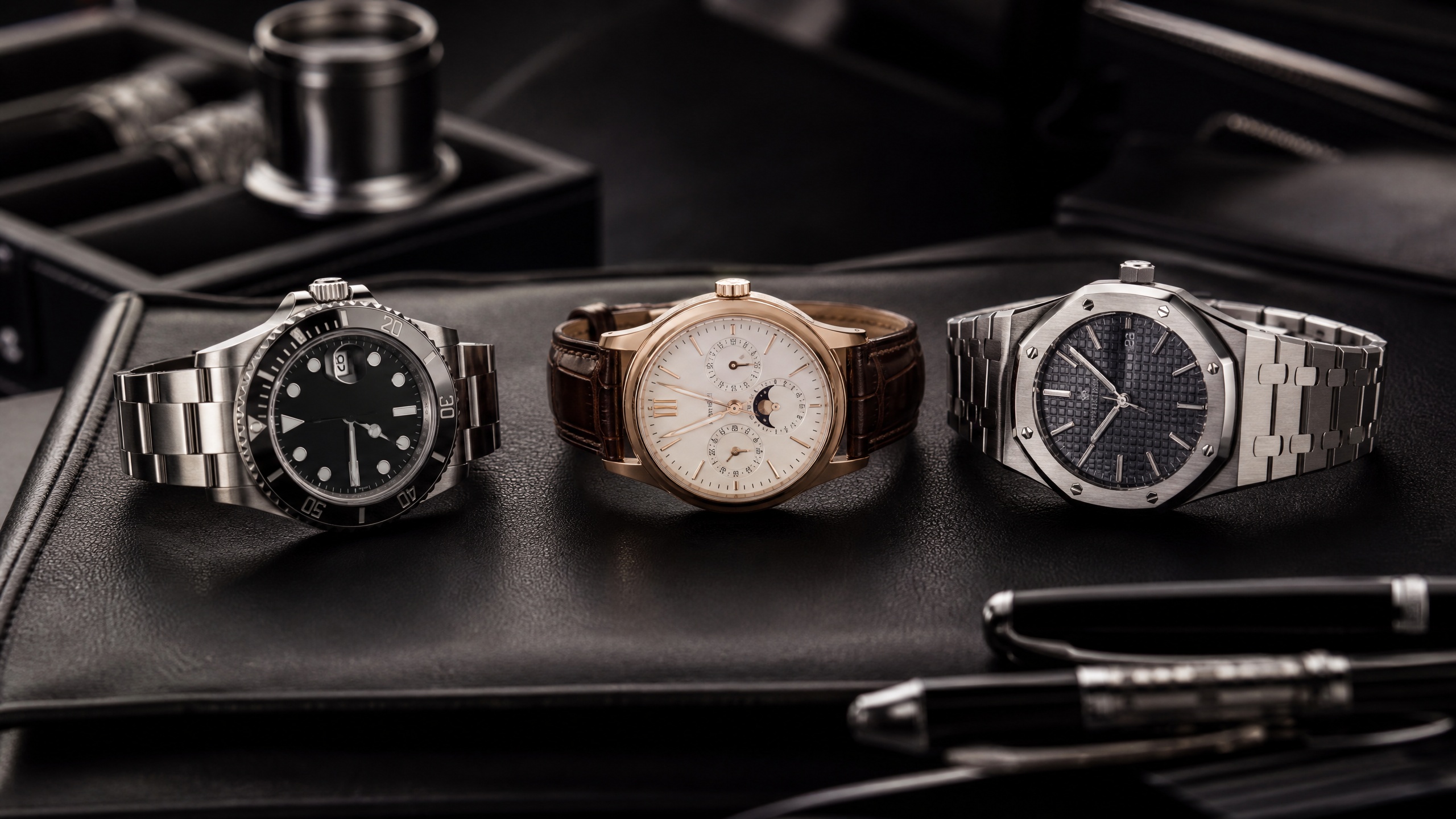
1. The Macroeconomics of the Horological Market
To understand why mechanical watches appreciate in value, one must analyze the macroeconomic forces driving the luxury sector. The entire industry is governed by a fundamental imbalance between fixed Swiss production capabilities and an exponentially expanding global demand.
The Constraint of Swiss Production
The designation “Swiss Made” is not merely a marketing label; it is a legally protected status governed by strict Swiss federal law. To carry this title, a watch must utilize a Swiss movement, be cased up in Switzerland, and undergo its final quality inspection within the country.
True luxury horology relies on highly skilled watchmakers who spend years mastering the complications of mechanical calibration. Because these artisan talents are scarce, top-tier Swiss manufactures cannot scale their production volumes overnight to meet rising market trends. This structural inelasticity of supply forms a permanent protective shield around asset valuations.
Wealth Expansion and Cultural Shifts
While the supply of high-end timepieces remains constrained, the global population of High-Net-Worth Individuals (HNWIs) grows annually. As wealth expands across Asia, the Middle East, and North America, the desire for tangible prestige symbols increases.
Furthermore, digital connectivity via social platforms and dedicated tracking indices has democratized watch knowledge. What was once a niche hobby for elite collectors is now a transparent, highly visible global market, pulling millions of new buyers into the ecosystem every year.
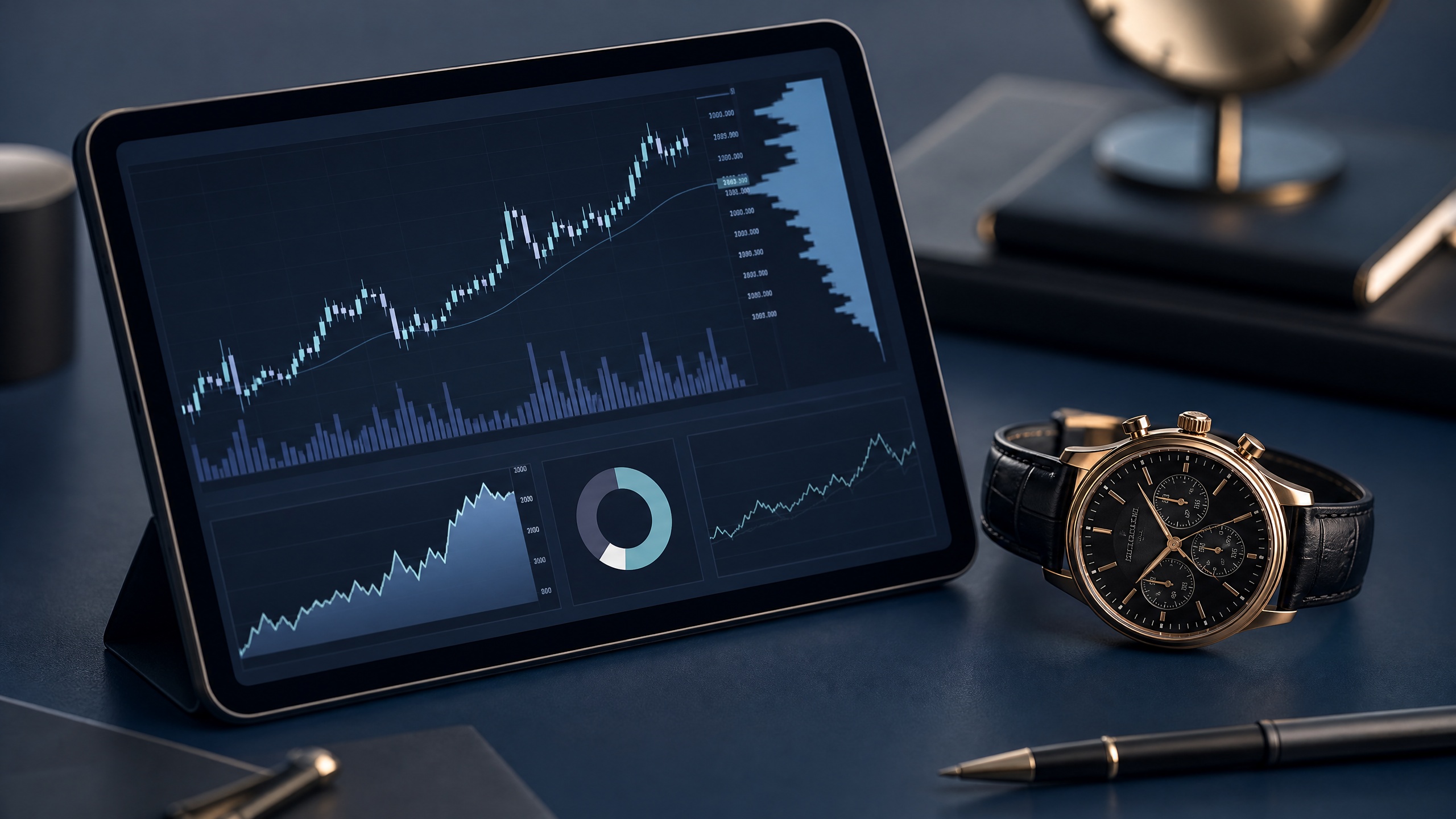
2. Categorizing the Investment Landscape: Tier 1 vs. Tier 2 Manufactures
Not all luxury watches are created equal. The market is highly top-heavy, with a select few brands commanding the vast majority of secondary market premiums and global liquidity. Investors typically divide the market into distinct tiers based on financial stability and historical performance.
Tier 1: The Blue-Chip Powerhouses
The blue-chip segment consists of brands that offer maximum liquidity, immense historical data, and the lowest risk profiles. These brands consistently hold their value across economic cycles.
-
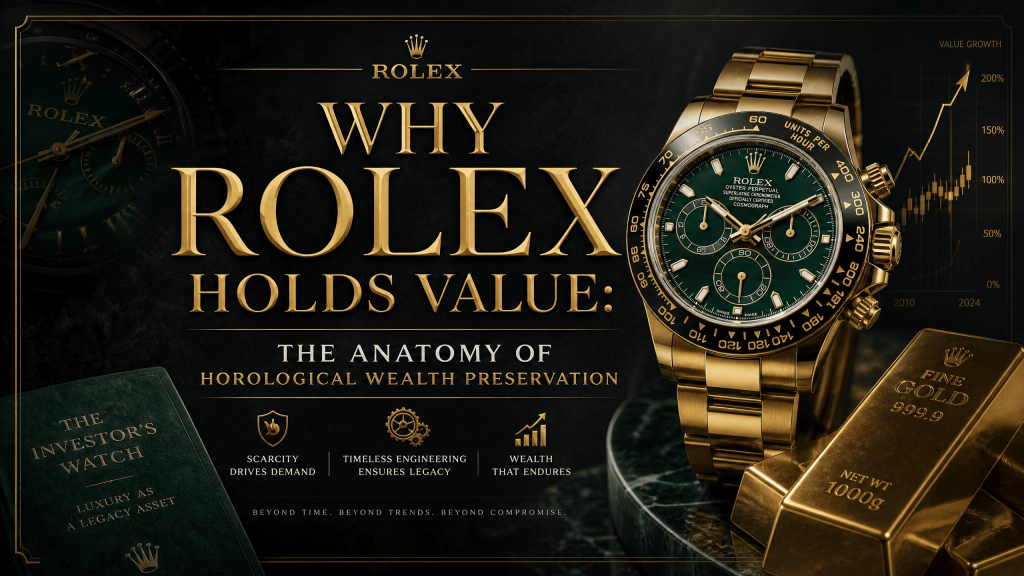
Rolex: The undisputed king of liquidity. Because of unmatched global brand recognition, Rolex models function almost like a universal alternative currency. Their stainless steel sports models offer rapid cash conversion anywhere in the world.
-
Patek Philippe: The pinnacle of prestigious watchmaking. Operating under independent family ownership since 1932, Patek Philippe focuses on extreme scarcity and complicated movements. Their motto explicitly highlights the multi-generational investment nature of their products: “You never actually own a Patek Philippe. You merely look after it for the next generation.”
-
Audemars Piguet: Heavily anchored by the legendary Royal Oak collection designed by Gérald Genta in 1972. Audemars Piguet blends high fashion, cultural relevance, and avant-garde horology, commanding immense premiums among younger, affluent investors.
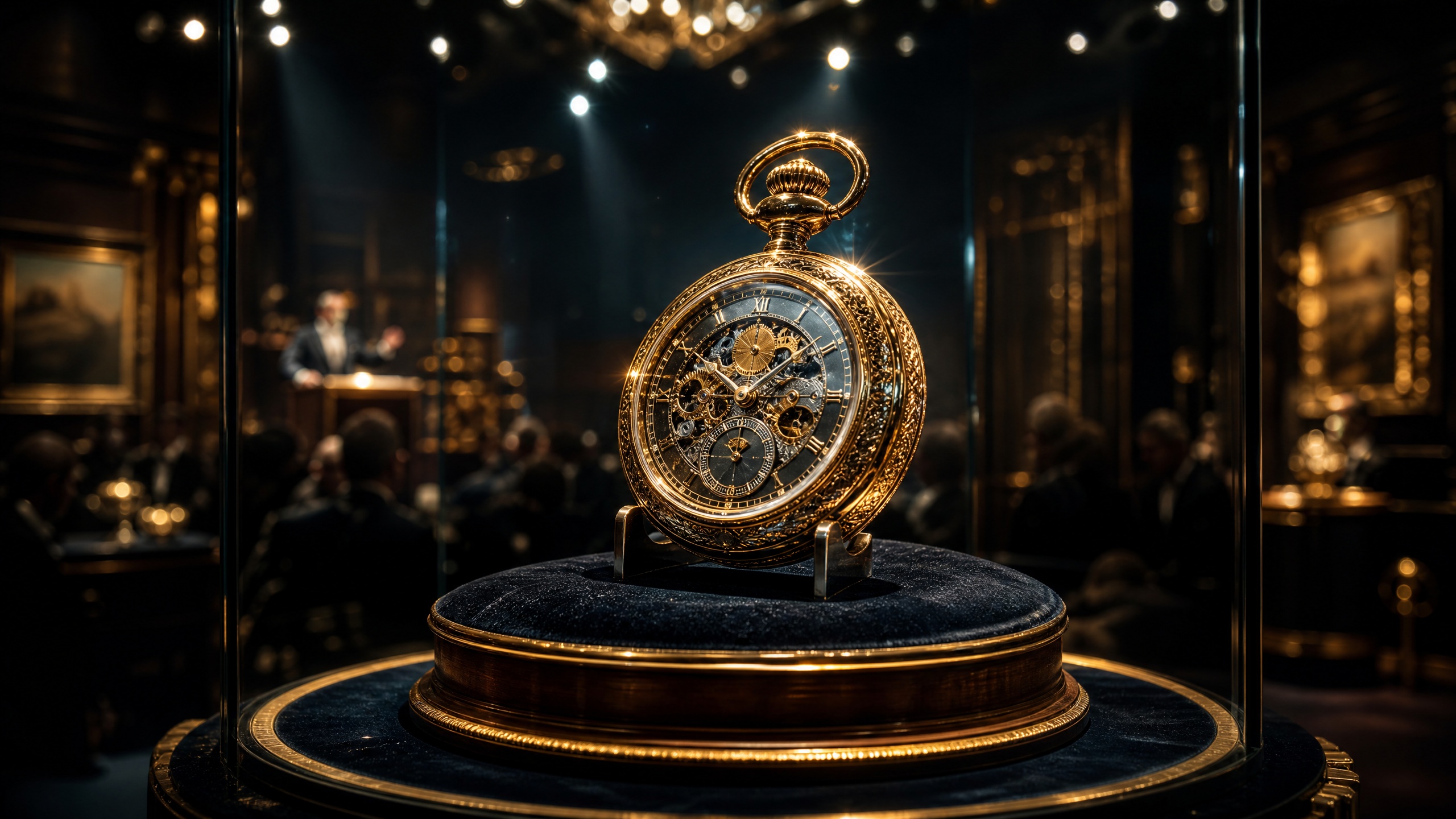
Tier 2: Independent Artisans and Haute Horlogerie
For investors willing to accept higher risk for potentially exponential returns, the independent artisan sector offers fascinating opportunities. These brands produce tiny quantities—often fewer than 500 pieces a year—focusing on radical design and mechanical innovation.
-
Richard Mille: Known as “a racing machine on the wrist.” Richard Mille revolutionized the market by using space-age materials like Carbon TPT and titanium to create ultra-lightweight, highly shock-resistant tourbillons that trade for six and seven figures.
-
F.P. Journe: A modern horological genius producing watches with movements crafted entirely from solid 18-karat rose gold. Due to extreme production scarcity (around 900 watches annually), vintage and modern F.P. Journe pieces are highly coveted at international auctions.
-
Vacheron Constantin: As the world’s oldest continuous watch manufacturer (founded in 1755), they represent the epitome of classic Swiss elegance. Their Overseas sports collection has established a firm foothold in the modern investment landscape.
3. Comparative Investment Profiles of Top Brands
| Manufacturer | Annual Production (Est.) | Primary Investment Drivers | Average Liquidity | Long-Term Risk Profile |
| Rolex | 1,200,000 | Global recognition, steel sports models, artificial retail scarcity | Immediate (Extremely High) | Exceptionally Low |
| Patek Philippe | 70,000 | Grand complications, historical auction dominance, heritage | High | Low |
| Audemars Piguet | 50,000 | Cultural status, Royal Oak silhouette, limited editions | High | Low to Medium |
| Richard Mille | 5,500 | Space-age materials, ultra-wealth status, extreme scarcity | Moderate | Medium to High |
| Vacheron Constantin | 30,000 | Historical significance, Overseas collection, craftsmanship | Moderate | Low to Medium |
4. The Anatomy of Watch Value: What Drives Appreciation?
To evaluate a specific timepiece as an investment vehicle, you must look beyond the brand name on the dial. A watch’s financial potential is determined by a matrix of intrinsic and extrinsic factors.
Horological Complications
A complication is any function on a watch that goes beyond telling the basic hours, minutes, and seconds. Watches featuring high complications require months of dedicated hand-assembly, making them naturally rare and valuable.
[Basic Timekeeper] ---> [Chronograph / GMT] ---> [Grand Complication]
   (Low Premium)           (High Demand)          (Elite Auction Value)
Key investment complications include:
-
The Chronograph: A built-in stopwatch mechanism, famously epitomized by the Rolex Daytona and Omega Speedmaster.
-
The GMT / Dual Time: The ability to track multiple time zones simultaneously via a dedicated 24-hour hand and a rotating bezel.
-
The Perpetual Calendar: A highly intricate mechanical computer that accurately calculates the day, date, month, leap year, and moonphase without needing adjustment until the year 2100.
-
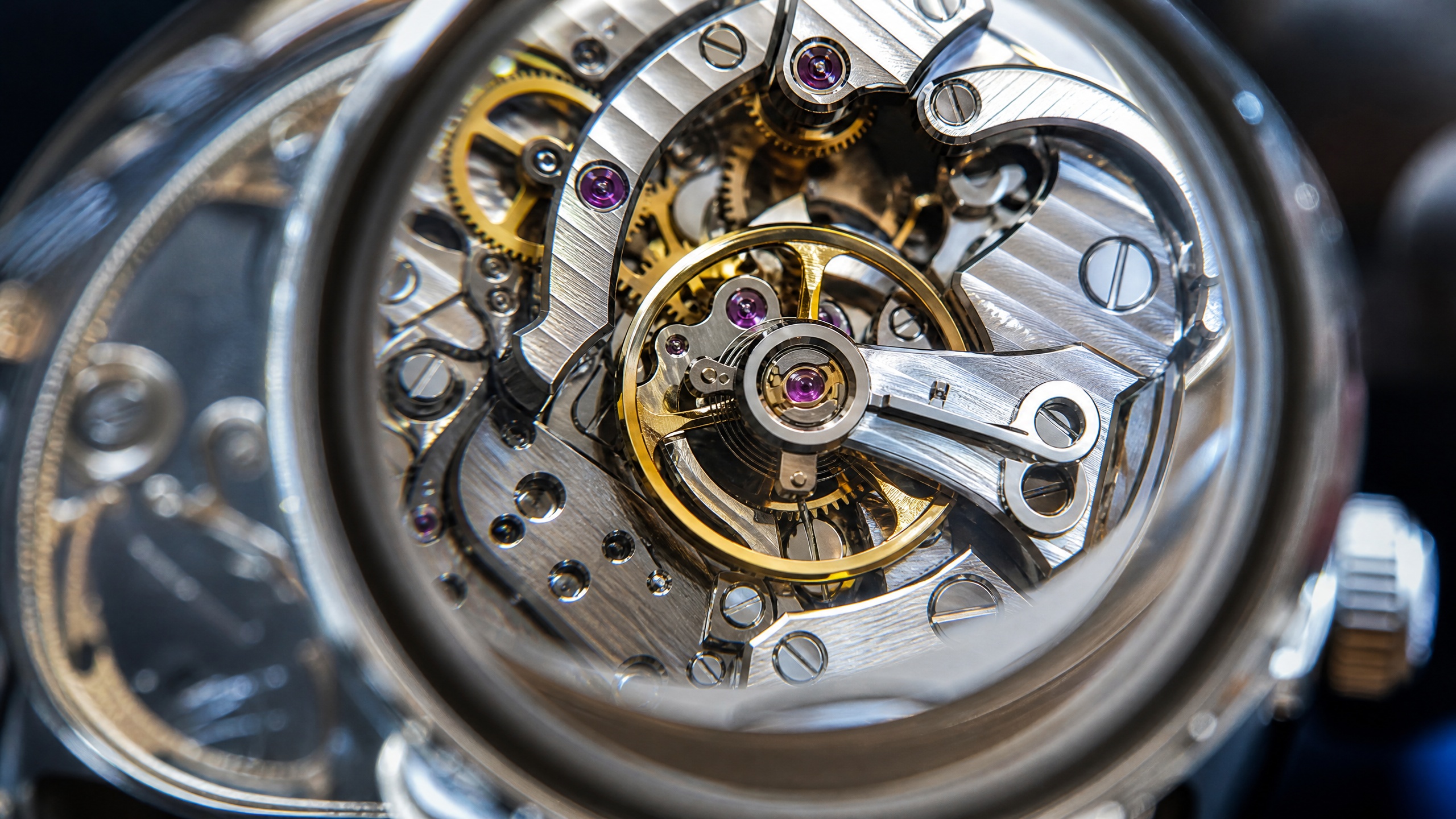
The Tourbillon: A rotating mechanical cage housing the escapement, designed to counteract the negative effects of gravity on timekeeping accuracy. It remains a supreme showcase of haute horlogerie.
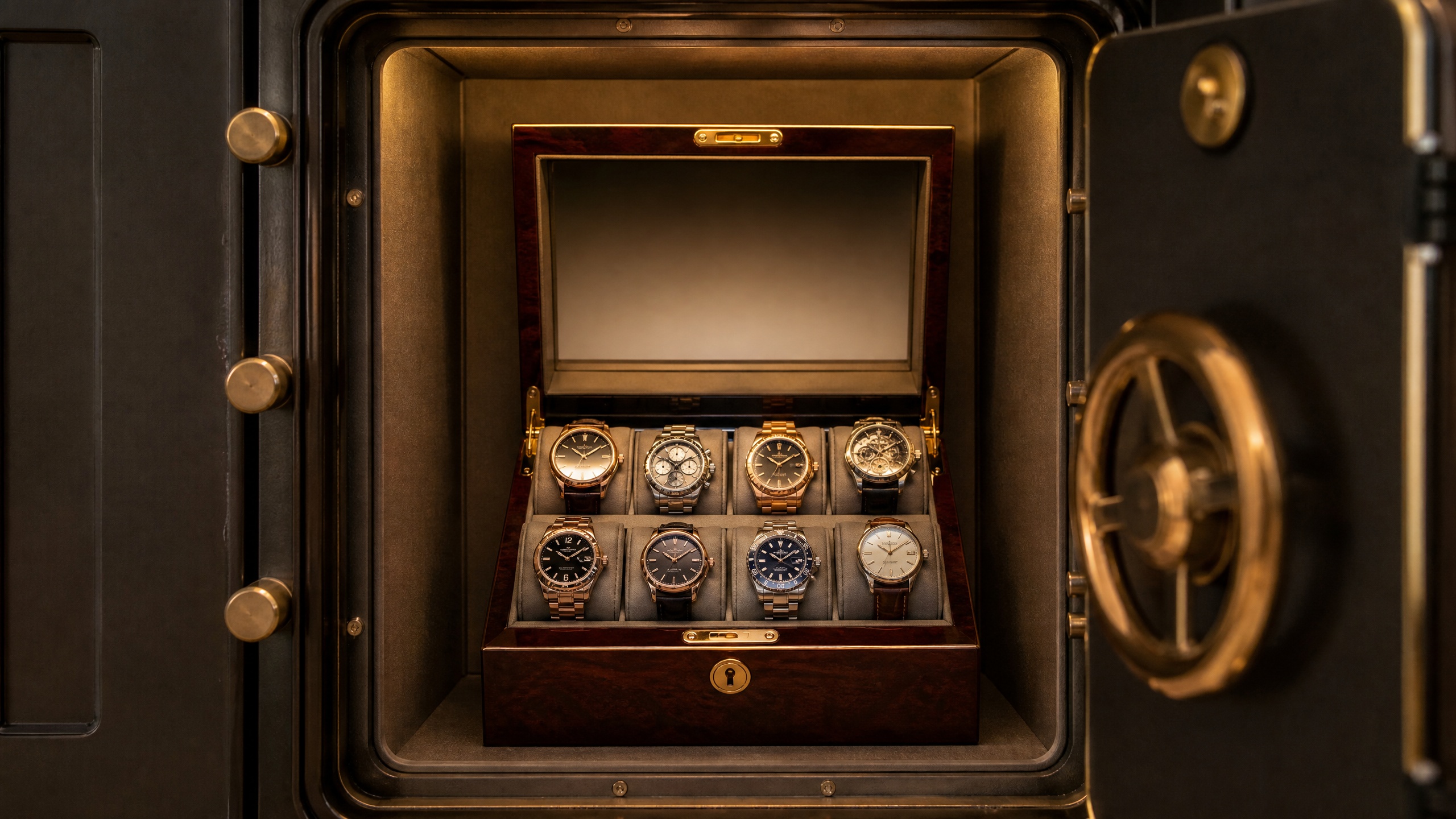
Materiality and Case Metals
Historically, precious metals like platinum and 18-karat gold were considered the gold standard for watch value. However, the modern investment market has flipped this paradigm.
Today, stainless steel sports models frequently outperform their precious metal counterparts on the secondary market. This inversion is driven by a cultural shift toward casual luxury. A steel sports watch can transition seamlessly from a boardroom meeting to a weekend yacht excursion, making it highly desirable for daily wear.
5. Risk Mitigation: Authentication, Condition, and Provenance
Investing in tangible assets carries unique risks that do not exist in digital stock trading. Protecting your capital requires strict adherence to preservation and verification protocols.
The Threat of Super-Clones
As secondary market prices have soared, the counterfeit industry has evolved rapidly. Modern counterfeiters use advanced CNC machines and laser scanning technology to produce “super-clones.” These fakes replicate correct case weights, feature genuine sapphire crystals, and even copy the mechanical architectures of Swiss movements.
To safeguard your investment, never buy a high-value watch based on trust alone. Every transaction should involve third-party authentication by an independent master watchmaker who can open the caseback to verify the serial numbers, movement stamps, and metallurgical purity.
The Preservation Protocol
The condition of a watch dictates its financial terminal value. Minor details can mean the difference between a record-breaking sale and a severe financial loss.
-
The Original Dial: The dial represents up to 70% of a vintage watch’s value. If a dial has been repainted or restored to look clean, the historical integrity is destroyed, slashing its investment value.
-
The Unpolished Case: Collectors favor sharp, crisp factory lines. Avoid watches that have been heavily polished to remove scratches, as buffing wheels strip away metal and distort the original geometry of the lugs.
-
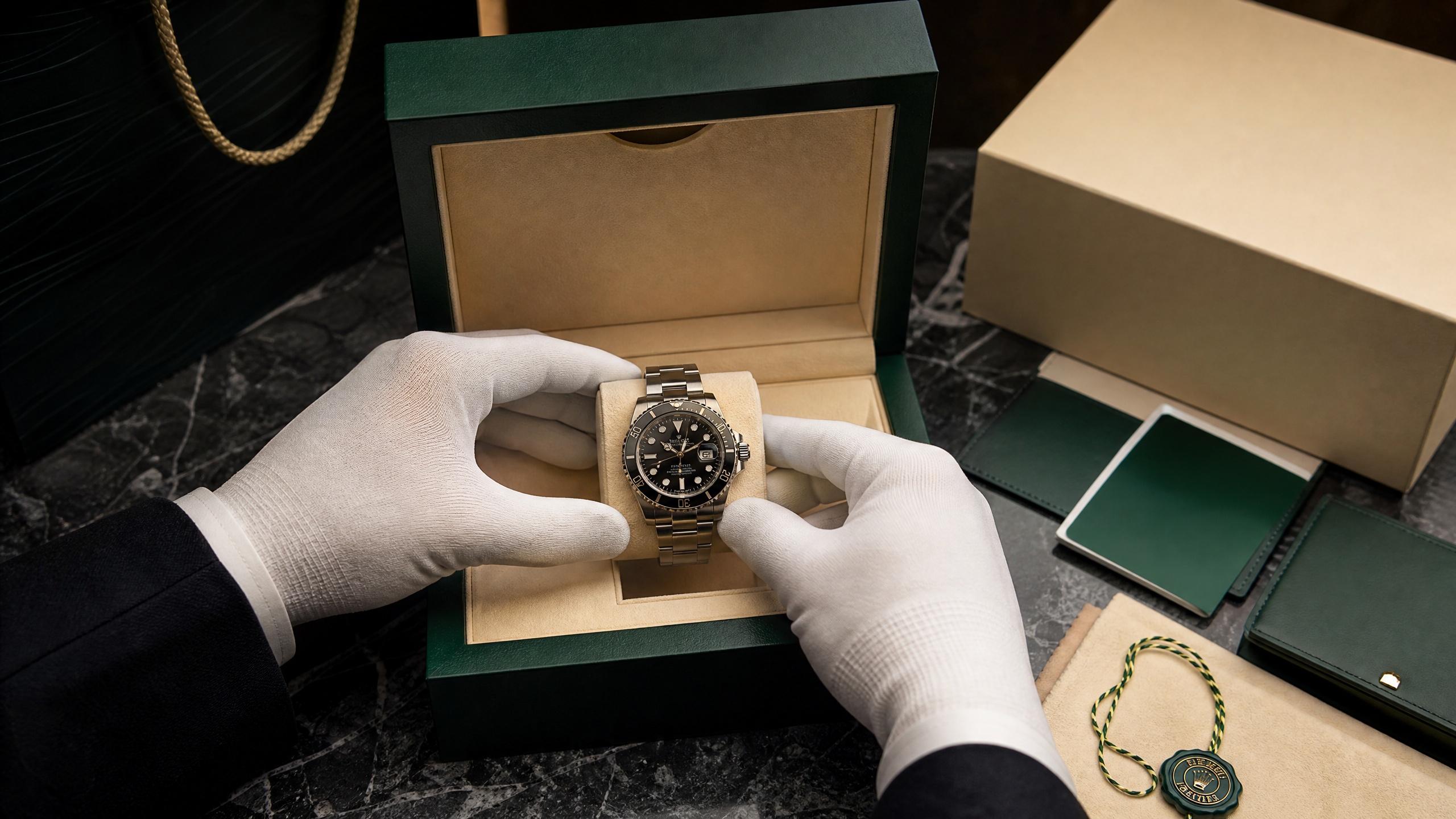
The Paper Trail: Always prioritize a “Full Set”—a watch that retains its original inner and outer boxes, serialized warranty cards, hangtags, and booklets. This documentation serves as the asset’s definitive passport.
6. Portfolio Construction: Balancing Your Horological Assets
A disciplined horological portfolio should look very similar to a traditional financial portfolio, blending low-risk stability with high-growth potential.
+-------------------------------------------------------+
|                 HIGH-GROWTH POTENTIAL                 |
|      (Independent Artisans: F.P. Journe, H. Moser)    |
+-------------------------------------------------------+
|                    GROWTH CAPITALS                    |
|       (Vintage References & Discontinued Models)      |
+-------------------------------------------------------+
|                   ANCHOR LIQUIDITY                    |
|        (Steel Rolex Sports, Patek Nautilus, AP)       |
+-------------------------------------------------------+
1. The Liquidity Anchor (60% of Allocation)
The foundation of your collection should consist of high-liquidity, high-demand models. These are the blue-chip assets that can be converted into cash rapidly during a market downturn. Examples include the Rolex Submariner, Patek Philippe Aquanaut, or Audemars Piguet Royal Oak. These models act as your defensive capital preservation shields.
2. The Discontinued Growth Capital (30% of Allocation)
Focus this segment on watches that are no longer actively manufactured. When a top-tier brand officially discontinues a model, its supply becomes permanently fixed. Look for watches with unique dial colors, limited production runs, or models that marked transitional eras in a brand’s history (such as the shift from tritium to luminova dials).
3. The Alpha Speculation (10% of Allocation)
Allocate a small percentage of your capital toward rising independent watchmakers or highly innovative micro-brands. While these assets carry higher volatility and wider bid-ask spreads, they offer explosive growth potential if the brand captures the global spotlight or wins a major industry accolade like the Grand Prix d’Horlogerie de Genève (GPHG).
7. The Long-Term Market Outlook
As global markets navigate shifting interest rates and fluctuating currency valuations, the appeal of hard, tangible assets remains immensely strong. A luxury watch represents a portable, borderless store of value that can be moved across geographic regions with ease.
Furthermore, mechanical timepieces possess an emotional dividend that traditional stocks cannot replicate. While an investor cannot interact with a digital tech stock, they can wear a beautifully crafted mechanical watch to an event, appreciating its engineering and aesthetic value on their wrist while it steadily preserves their capital.
By treating horology as a disciplined science—relying on empirical market data, verified authentication, impeccable condition tracking, and strategic brand selection—investors can successfully transform a passion for fine timemaking into a sophisticated, highly rewarding financial engine for multi-generational wealth preservation.