Luxury Asset Diversification: Building a Fortified Wealth Portfolio
For generations, the blueprint for wealth preservation was relatively straightforward: an investor divided their capital between equities for growth, bonds for stable yield, and perhaps a curated portfolio of real estate for inflation hedging. This traditional 60/40 allocation model functioned perfectly during eras of predictable monetary policy. However, as the global financial ecosystem faces unprecedented shifts—ranging from aggressive fiat currency devaluation to the extreme volatility of digital assets—the wealthiest echelons of society are completely rewriting the rules of portfolio construction.
Welcome to the era of Luxury Asset Diversification. This sophisticated wealth management strategy completely shatters the barrier between capital preservation and personal lifestyle. It operates on a simple but profound thesis: why limit your wealth to invisible, digital numbers on a brokerage screen when you can store that same wealth in historically significant, tangible masterpieces that you can actually enjoy?
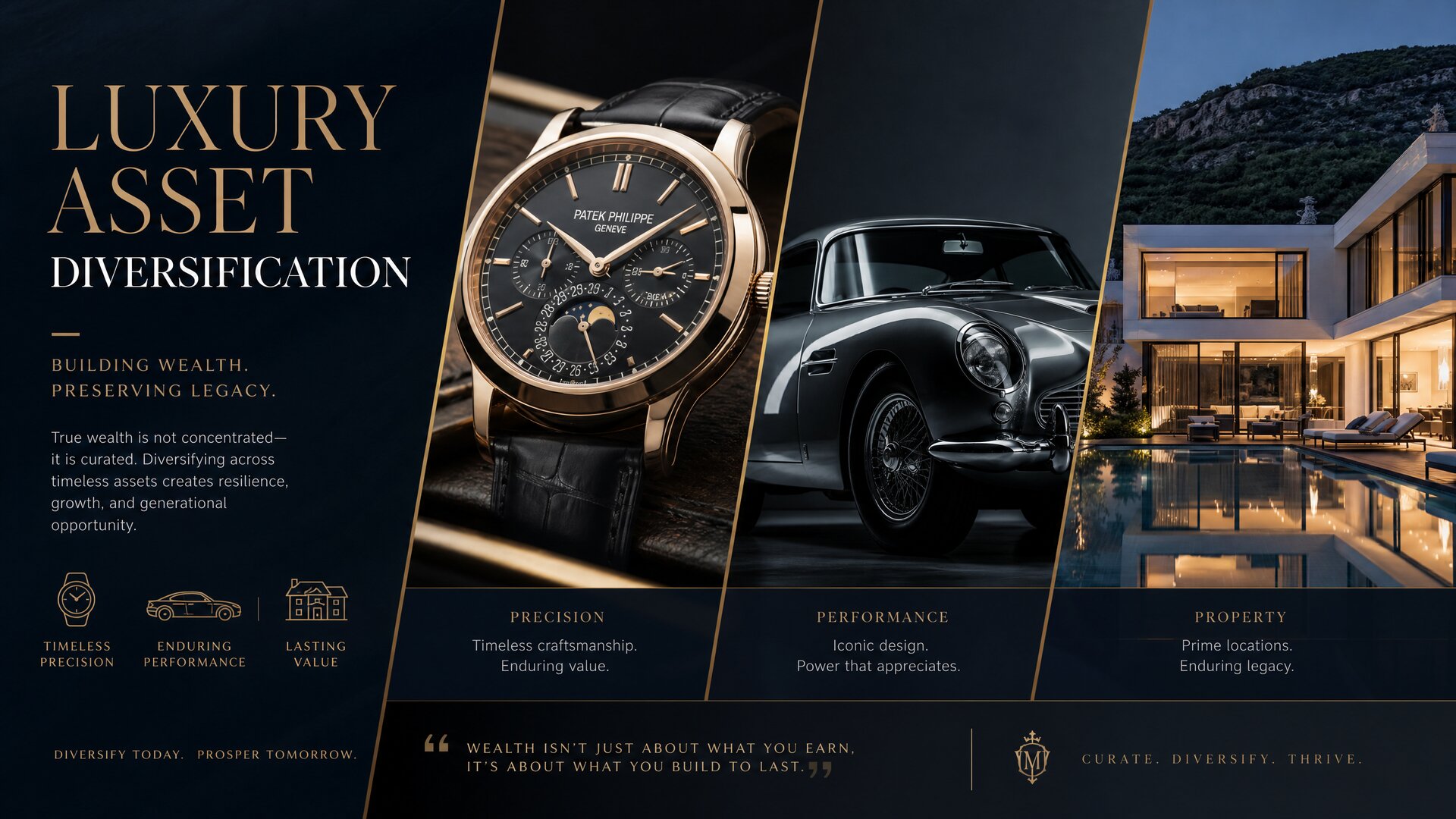
By strategically allocating capital into blue-chip horology, haute maroquinerie (fine leather goods), rare geological specimens, historic automobiles, and aging spirits, investors can construct an unbreakable financial fortress. This comprehensive master guide will dissect the architecture of alternative luxury portfolios, exploring macroeconomic drivers, allocation strategies, the friction of illiquidity, and the precise methodology required to balance defensive anchors with aggressive growth satellites.
1. The Macroeconomic Thesis for Tangible Wealth
To understand why a vintage mechanical watch or a hermetically sealed bottle of Scottish whisky can outperform the S&P 500 over a decade, we must first analyze the macroeconomic forces driving global wealth.
The Escape from Fiat Devaluation
Since the abandonment of the gold standard, all major global currencies have been “fiat”—meaning their value is dictated entirely by government decree and central bank monetary policy. When central banks engage in aggressive quantitative easing (printing money to stimulate economies), the purchasing power of every dollar, euro, or yen in existence mathematically decreases.
Tangible luxury assets act as a direct, physical hedge against this dilution. A Patek Philippe grand complication watch or an unpolished, 5-carat D-Flawless diamond cannot be printed by a government printing press. Their supply is absolutely, geologically, or mechanically constrained. As the amount of fiat currency in the world increases, it requires more of that weakened currency to purchase the same finite luxury asset, driving up its nominal valuation.
The Rise of the Global Ultra-Affluent
The second major macroeconomic driver is the exponential growth of the global High-Net-Worth Individual (HNWI) demographic. Wealth creation in emerging markets across Asia, the Middle East, and Latin America has created millions of newly minted millionaires. As these individuals seek to broadcast their success and store their capital outside of volatile local banking systems, they aggressively target western luxury heritage brands. This insatiable, borderless demand constantly outstrips the heavily constrained production capacities of legacy Swiss, French, and British artisans.
2. Core Pillars of the Alternative Portfolio
A properly diversified luxury portfolio does not rely on a single asset class. Just as a traditional investor would never put all their capital into a single tech stock, a luxury investor spreads their exposure across vastly different physical markets.
Horology (Blue-Chip Watches)
Luxury watches act as the most liquid and universally recognized alternative currency in the world. Specifically, stainless steel sports models from Rolex, Patek Philippe, and Audemars Piguet offer incredible price transparency and the ability to convert the asset back into cash within hours, anywhere on the globe.
Haute Maroquinerie (Investment Handbags)
Brands like Hermès and Chanel have engineered an ecosystem of artificial scarcity that defies traditional retail logic. The Hermès Birkin and Kelly bags are quintessential Veblen goods—assets that become more desirable as their prices increase. They offer a unique combination of high portability and staggering secondary market premiums.
Geological Assets (Diamonds and Precious Metals)
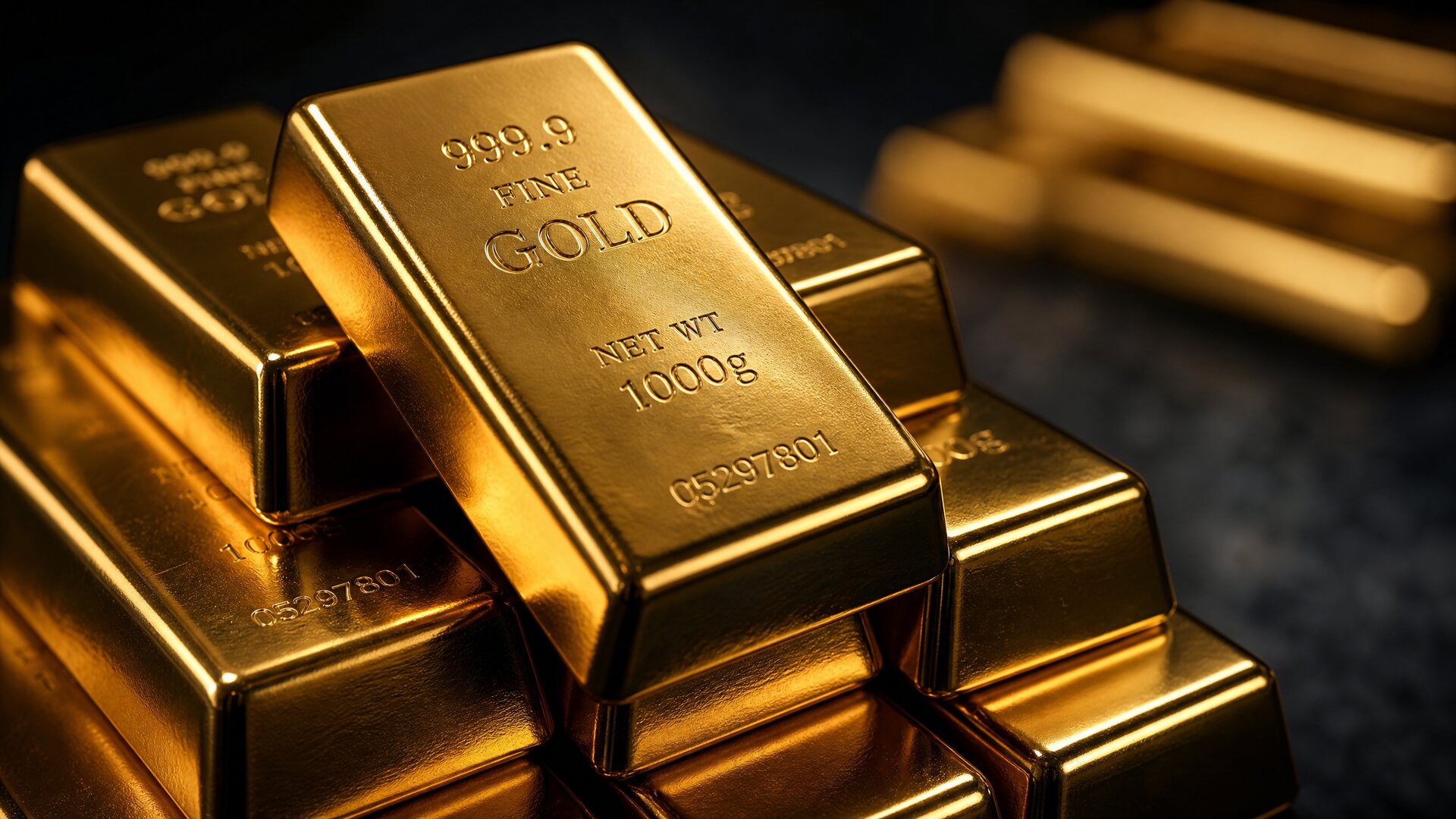
Gold serves as the ultimate, fungible baseline defense mechanism against inflation, while rare colored diamonds (specifically Fancy Pink and Blue diamonds) act as hyper-concentrated wealth vaults. They offer the highest value-to-weight ratio of any asset on earth, allowing millions of dollars to be transported discreetly in a coat pocket.
Classic Automobiles and Rare Spirits
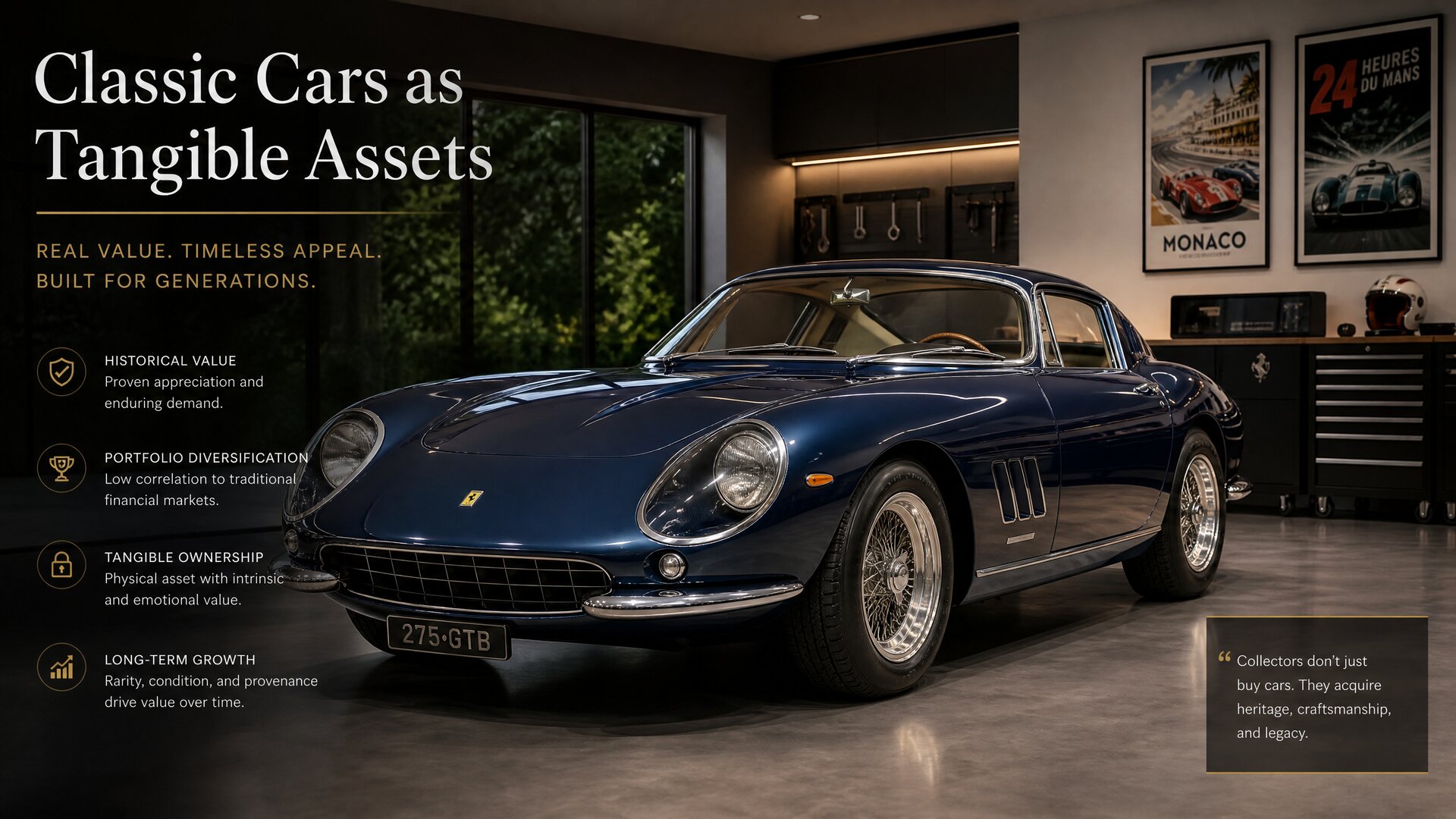
These represent the “passion multipliers.” Vintage, analog sports cars from the 1980s and 1990s capture generational nostalgia, while rare single malt whiskies from closed (“silent”) distilleries offer a diminishing supply curve that mathematically forces appreciation as surviving bottles are consumed.
To help visualize how capital can be spread across these diverse physical asset classes to balance risk and reward, you can explore this interactive portfolio simulator:
3. The Allocation Matrix: Anchors vs. Satellites
Structuring your alternative wealth is a delicate balancing act. Institutional wealth managers generally recommend that tangible luxury assets should comprise no more than 5% to 10% of your total net worth, acting as a specialized hedge rather than a replacement for yield-generating equities or real estate.
Within that specific 10% slice, the capital must be divided into a Core/Satellite structure.
The Defensive Anchors (60% – 70% of Luxury Allocation)
These are your lowest-risk, highest-liquidity assets. They are not meant to double in price overnight; they are designed to reliably beat inflation and provide a safety net that can be easily liquidated during a sudden market downturn.
-
Examples: Physical 24-karat gold bullion bars, stainless steel Rolex Submariners, classic black caviar leather Chanel Double Flap bags, and D-Flawless white diamonds.

The Aggressive Satellites (30% – 40% of Luxury Allocation)
These assets carry higher volatility, longer liquidation timelines, and steeper maintenance costs. However, they possess the explosive potential for multi-hundred-percent returns over a decade due to extreme scarcity.
-
Examples: Rare Japanese single malt whiskies (like Karuizawa), vintage air-cooled Porsche 911s, Fancy Vivid Pink diamonds, and limited-edition artist collaboration pieces from Louis Vuitton.
4. Cross-Asset Risk and Return Comparison
When evaluating where to deploy your capital, you must assess the distinct operational friction associated with each asset type. No investment is perfect; each carries unique vulnerabilities.
| Asset Class | Primary Advantage | Primary Vulnerability | Typical Investment Horizon | Projected Volatility |
| Gold Bullion | Absolute global liquidity, fungible pricing | Requires heavy vault storage, no yield | 5 – 20+ Years | Low |
| Luxury Watches | High portability, universal brand recognition | Susceptible to theft, counterfeit risks | 3 – 10 Years | Low to Medium |
| Classic Cars | High emotional dividend, immense potential upside | Extreme carrying costs (maintenance, storage) | 7 – 15 Years | High |
| Rare Handbags | Rapid secondary market premiums, high demand | Environmental damage (humidity, color transfer) | 2 – 8 Years | Medium |
| Fine Whisky | Diminishing supply mathematically forces rarity | Fragility of glass, cork rot, strict upright storage | 5 – 15 Years | Medium to High |
5. The True Cost of Tangible Wealth: Carrying Costs
One of the most dangerous traps for novice luxury investors is ignoring the Carry Cost. When you buy a digital index fund, it costs virtually nothing to hold it in your brokerage account. When you buy physical, historical objects, they demand continuous financial feeding to survive.
Storage and Environmental Control
A $25,000 Hermès Kelly bag will develop irreversible mold if stored in a humid closet, instantly wiping out your investment. A $150,000 vintage Ferrari will rot from the inside out if its engine fluids are not routinely circulated, requiring thousands of dollars in annual specialist mechanic bills. Even fine whisky requires absolute darkness and strictly regulated temperatures to prevent the alcohol from evaporating through the cork.
Investors must factor in the cost of climate-controlled, highly secure storage facilities. In major financial capitals, renting space in a specialized fine art or automotive vault can easily cost between 2% and 5% of the asset’s total value every single year.
Specialized Insurance Riders
Standard homeowner’s insurance will almost never cover the full secondary-market value of a rare watch or a colored diamond. Investors must secure specialized “valuable articles” or “agreed value” insurance policies. These policies require periodic professional appraisals to adjust the coverage limits as the asset appreciates, adding another layer of annual administrative expense.
6. The Illiquidity Premium: Patience as a Strategy
In traditional finance, “liquidity” is a highly prized attribute. The ability to sell a stock in milliseconds is a massive advantage. However, in the world of luxury asset diversification, you are intentionally capturing the Illiquidity Premium.
Because physical masterpieces are difficult to price and take time to sell, buyers demand a higher overall return to compensate for this friction. You cannot day-trade a Picasso painting or a vintage Aston Martin.
If an investor panics during an economic recession and attempts to liquidate a rare blue diamond in 24 hours, they will be forced to sell to a wholesale dealer at a massive 30% to 40% discount.
To realize the true investment yield of these items, capital must be locked away with extreme patience. The ideal exit strategy involves consigning the asset to a major international auction house (like Sotheby’s, Christie’s, or Phillips) during their peak seasonal sales. This process can take six to eight months of cataloging, marketing, and global touring before the hammer finally falls, but it guarantees maximum price discovery among the world’s wealthiest bidders.

7. Mitigating Risk: The Authentication Imperative
The most catastrophic risk in the alternative asset sector is not a market crash; it is the acquisition of a counterfeit product. As secondary market valuations have skyrocketed into the millions, the criminal enterprises producing forgeries have evolved into highly sophisticated operations.
-
Horology: “Super-clones” of Swiss watches now utilize genuine sapphire crystals, identical steel alloys, and cloned mechanical movements that can fool standard jewelers.
-
Gemstones: Laboratory-grown diamonds are chemically identical to mined stones and can only be differentiated using massive, multi-million-dollar spectroscopic machines.
-
Handbags: Counterfeit syndicates smuggle authentic European leathers and replicate microscopic brand microchips to create flawless replicas.
The Golden Rule of Acquisition: Never trust a seller’s word, and never rely solely on an original receipt (receipts are easily forged). Every single asset integrated into your portfolio must be authenticated by the absolute highest independent authority in its respective field.
-
Diamonds must have a recent GIA certificate.
-
Watches must be opened and verified by a brand-certified master watchmaker.
-
Classic cars must undergo an exhaustive Pre-Purchase Inspection (PPI) to verify matching chassis and engine numbers.
8. Generational Wealth Transfer and Tax Efficiency
Beyond pure capital appreciation, luxury assets offer highly unique strategic advantages for estate planning and multi-generational wealth transfer.
Transferring vast sums of fiat currency or a massive real estate portfolio to heirs often triggers aggressive taxation and complex legal probates that freeze assets for years. Conversely, physical luxury items offer a degree of privacy. A multi-million-dollar watch collection or a vault of precious gemstones can be passed down physically, bypassing the immediate friction of the digital banking system.
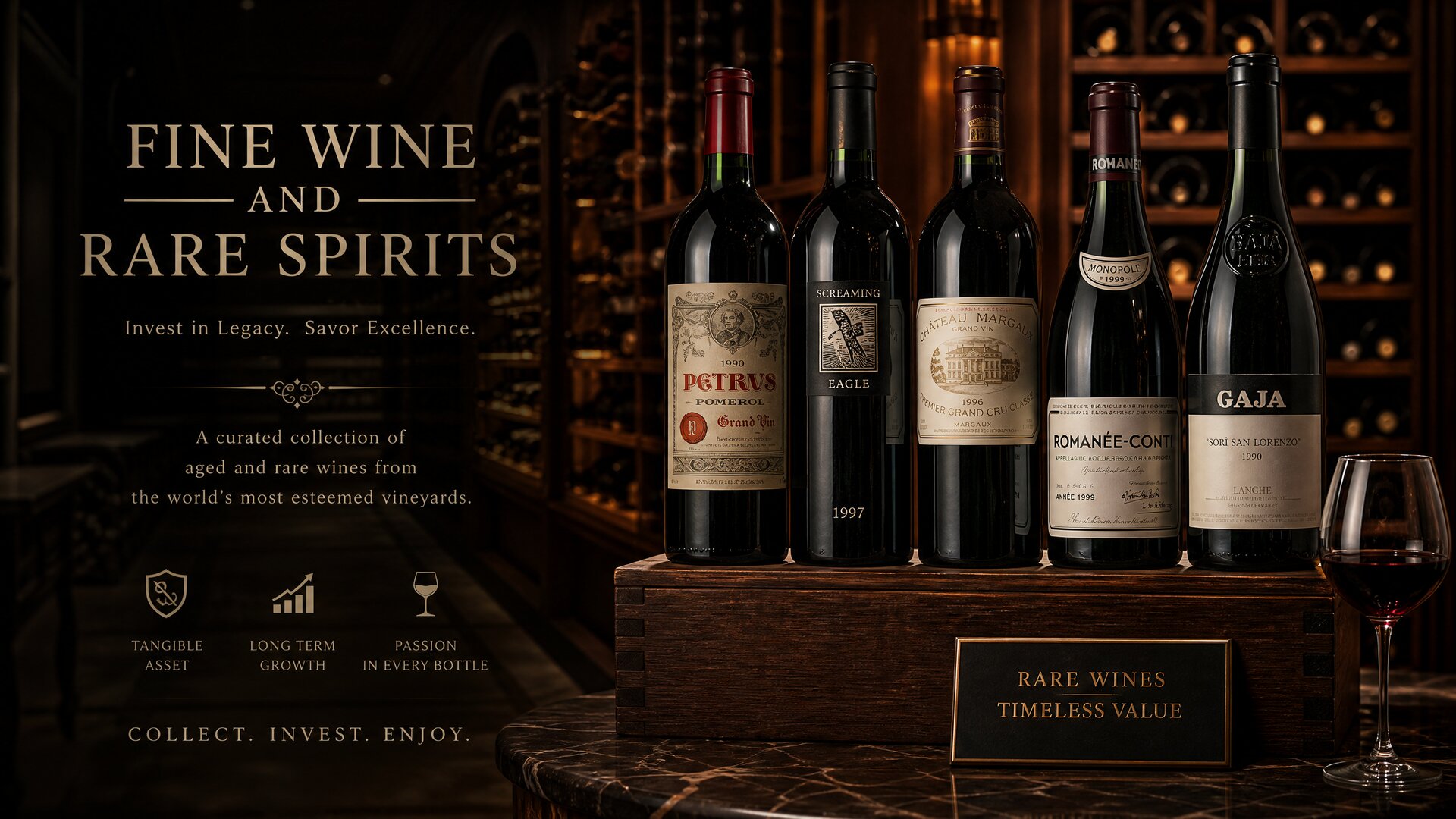
Furthermore, certain jurisdictions view specific luxury items (like rare whisky or vintage wine) as “wasting assets” because they have a predictable, finite lifespan once opened. In places like the United Kingdom, profits realized from the sale of wasting assets are frequently exempt from standard Capital Gains Tax, allowing investors to keep 100% of their upside. Always consult with a specialized tax attorney in your primary jurisdiction, as international tax laws regarding collectibles vary wildly.
9. Frequently Asked Questions (FAQ)
Can I wear or use my luxury assets, or do they have to stay in a vault?
You can absolutely use them, but you must understand the financial trade-off. Every time you wear an investment-grade watch or carry a rare handbag, you risk scratching the metal or staining the leather. In the collector market, “Store Fresh” or “Unworn” condition commands a massive premium. If you use the item, you transition it into “Excellent” or “Very Good” condition, which slightly lowers its terminal liquidation value.
Why shouldn’t I just buy luxury brand stocks instead of the physical items?
Buying LVMH or Richemont stock is a traditional equity investment. While it provides exposure to the luxury sector, the stock can still crash if the broader stock market panics, or if the CEO makes a poor corporate decision. Owning the physical asset completely disconnects your wealth from corporate governance and stock market algorithmic trading.
Is it too late to enter the classic car or vintage watch market?
No, but the barrier to entry has shifted. The days of finding a cheap vintage Rolex at a garage sale are largely over. The modern market requires strategic capital allocation into specific niches—such as independent artisan watchmakers, or 1990s Japanese analog sports cars—that are currently experiencing aggressive growth cycles driven by shifting generational wealth.
What is the biggest mistake new alternative investors make?
Impatience and poor condition tracking. Novice investors often buy heavily polished watches or damaged handbags because they are “cheaper,” only to realize that elite collectors will never buy them when it is time to sell. Always buy the absolute best condition you can afford, even if it means buying a less prestigious brand.
Author’s Note: The Legacy of Tangible Wealth
The transition from a traditional stock-and-bond portfolio to a deeply diversified luxury asset strategy is a profound financial evolution. It marks the moment an investor stops merely accumulating numbers on a balance sheet and begins curating history.
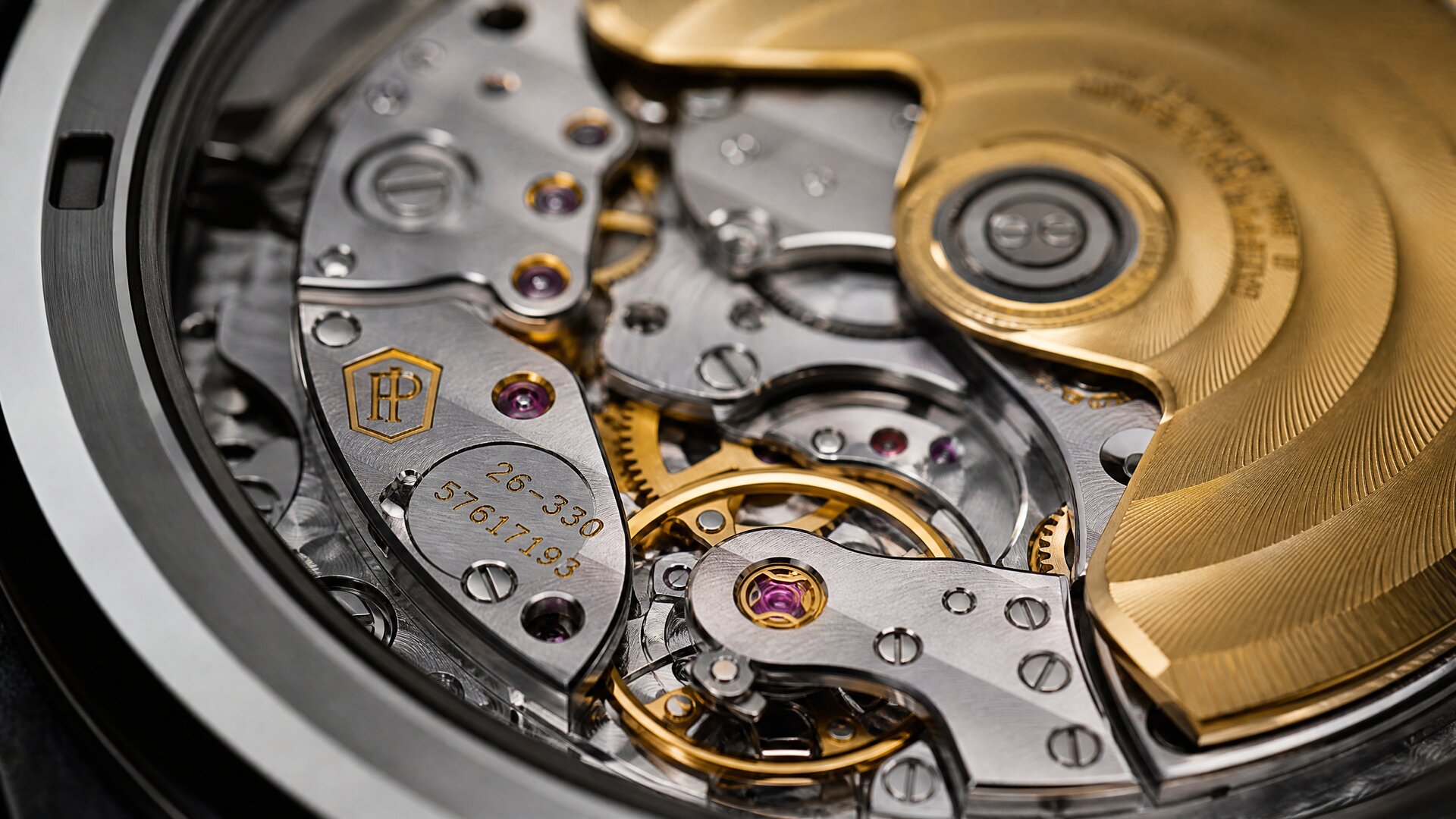
There is a distinct, unquantifiable psychological power in this approach. When the global markets are engulfed in a sea of red, panicked trading, and flashing screens, the tangible investor can open a heavy steel vault door and physically touch their capital. They can trace the intricate engraving on a mechanical watch movement, feel the weight of a gold bar, or breathe in the rich leather of a bespoke Italian sports car.
Luxury asset diversification is not a get-rich-quick scheme. It is a slow, methodical, and deeply educated defense mechanism. By anchoring your portfolio in the permanent, undeniable reality of physical masterpieces, you are not just protecting your wealth from the whims of modern monetary policy—you are elevating it into an enduring legacy that can be enjoyed today and passed down for centuries to come.