The Ultimate Guide to Tangible Wealth Investing in Luxury Assets
In a world where traditional financial markets can be volatile and unpredictable, a growing number of investors are turning their attention to alternative avenues. Tangible assets—items you can hold, use, and admire—are increasingly bridging the gap between personal passion and financial gain. From the ticking precision of a Swiss timepiece to the roar of a vintage engine, luxury assets offer a unique proposition: the ability to enjoy your wealth while potentially watching it grow.
This comprehensive guide explores the fascinating world of passion investments. We will delve into the mechanics of investing in luxury watches, diamonds, designer handbags, classic cars, and rare whisky, while examining how these assets can diversify your broader financial portfolio.
Investing in Luxury Watches
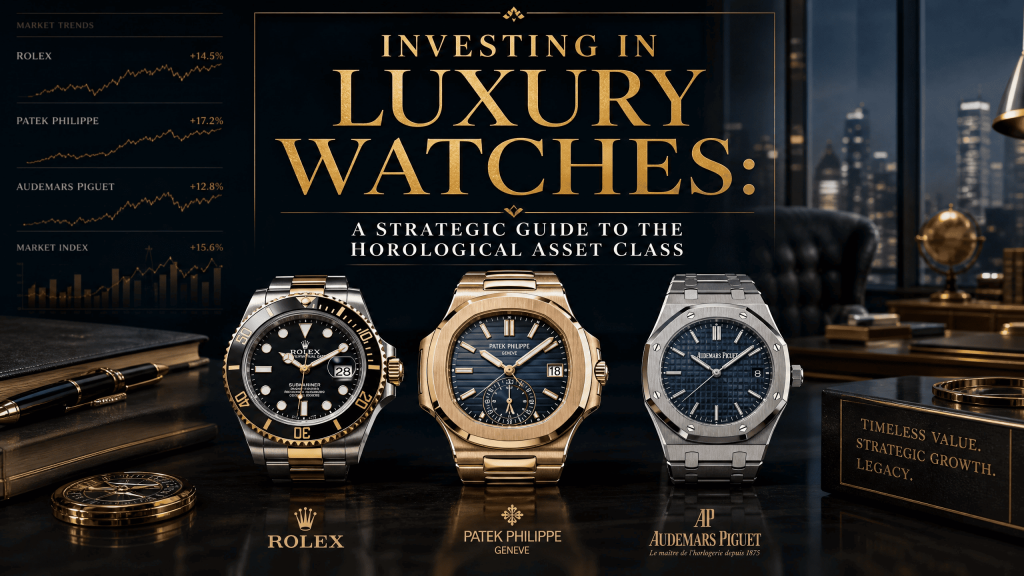
Horology is no longer just about keeping time; it is about preserving wealth. The secondary market for luxury watches has exploded over the last decade, transforming wristwatches into highly liquid, globally recognized alternative assets.
While the stock market fluctuates based on quarterly earnings, the luxury watch market is driven by a simpler economic principle: undeniable scarcity meeting overwhelming global demand. Independent watchmakers like Patek Philippe and Audemars Piguet produce a strictly limited number of timepieces annually, creating waiting lists that can stretch for years. This artificial scarcity forces collectors into the secondary market, driving up premiums.
Why Rolex Holds Value
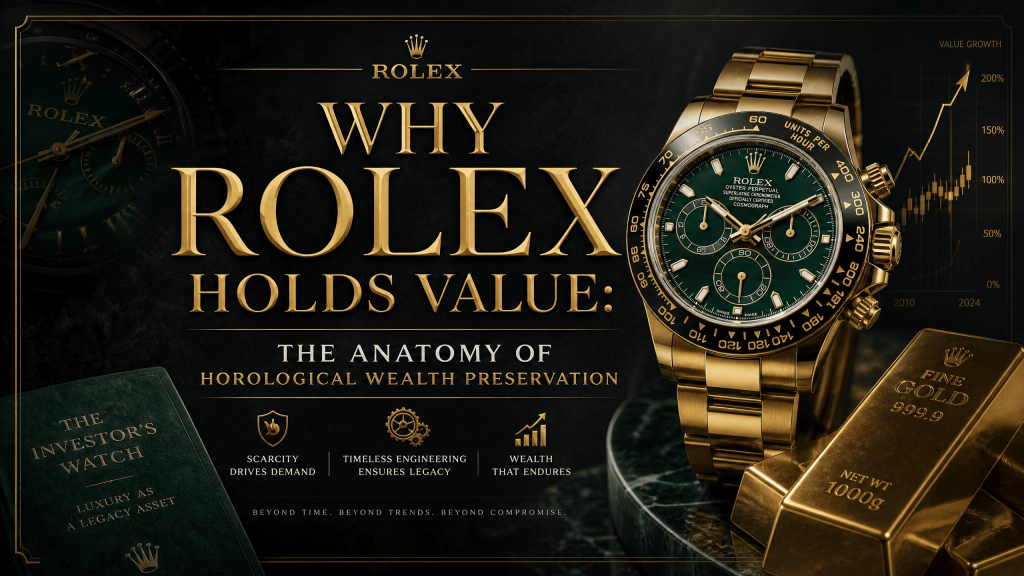
When discussing watch investments, one brand stands above the rest in terms of universal recognition and market stability: Rolex. But why does a mass-produced luxury brand command such fierce loyalty and secondary market premiums?
-
Unwavering Brand Equity: Rolex is arguably the most recognized luxury brand on the planet. This universal appeal guarantees a constant stream of global buyers.
-
Incremental Evolution: Rolex rarely makes drastic changes to its designs. A Submariner from 1980 looks remarkably similar to a Submariner from 2024. This design consistency ensures that older models never look “outdated,” protecting their vintage value.
-
Durability: Built originally as tool watches for divers, pilots, and scientists, Rolexes are incredibly robust. Their mechanical reliability means they survive decades of wear, allowing them to be passed down through generations.
-
The Waitlist Phenomenon: Walk into an authorized dealer today asking for a steel Daytona or GMT-Master II, and you will likely be met with a polite refusal. This extreme primary market gatekeeping ensures that secondary market prices remain robustly above retail.
Top Watch Brands for Investment Comparison
| Brand | Investment Profile | Key Models to Watch | Liquidity |
| Rolex | Steady, reliable growth. The blue-chip stock of watches. | Daytona, Submariner, GMT-Master II | Very High |
| Patek Philippe | High entry price, exceptional long-term yields. | Nautilus, Aquanaut, Grand Complications | High |
| Audemars Piguet | Highly volatile but lucrative for specific models. | Royal Oak (Jumbo), Royal Oak Offshore | Medium-High |
| A. Lange & Söhne | For the purist. Slower growth but gaining rapid traction. | Zeitwerk, Lange 1 | Medium |
The Sparkle of Wealth: Diamond Investment Guide
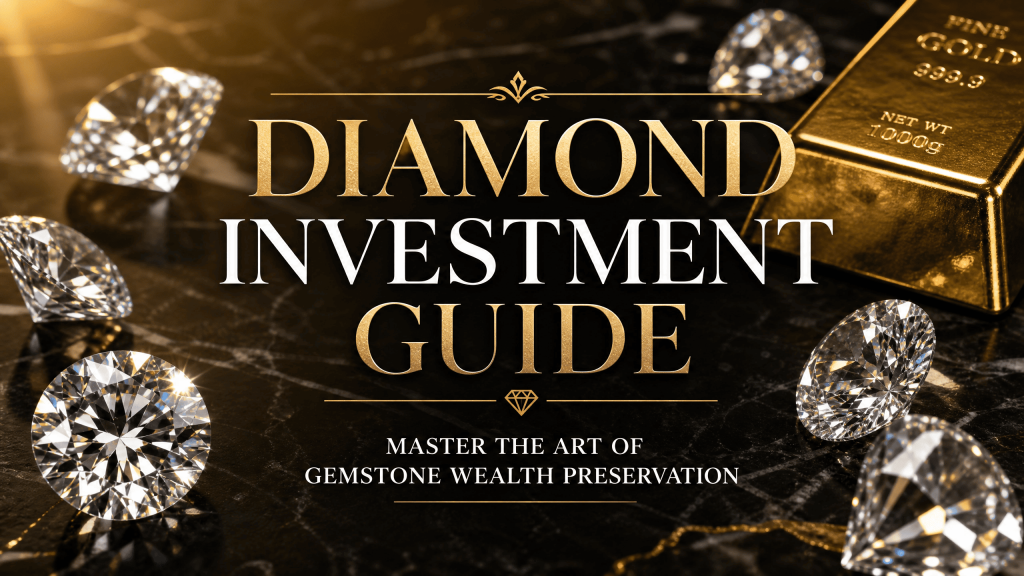
For centuries, diamonds have been a universal symbol of wealth, romance, and power. However, transitioning from buying a diamond for jewelry to buying a diamond as a financial asset requires a strict, analytical approach.
The value of an investment-grade diamond is determined by the globally recognized 4 Cs:
-
Carat: The weight of the stone. Larger stones are exponentially rarer.
-
Color: For white diamonds, a D-flawless rating is the pinnacle. However, fancy colored diamonds (pink, blue, and red) are where the true investment potential lies due to their extreme geological rarity.
-
Clarity: The absence of internal inclusions or external blemishes.
-
Cut: How well the stone interacts with light. This is the only factor influenced by human hands.
Investment Tip: Never purchase an investment diamond without certification from a reputable gemological laboratory, such as the GIA (Gemological Institute of America). The certificate is the “title deed” to your stone.

Gold vs Diamonds: A Comparative Analysis
When investors look for safe havens, they often debate between gold and diamonds. While both are mined from the earth and hold intrinsic value, they behave very differently in a financial portfolio.
| Feature | Gold | Diamonds |
| Standardization | Highly standardized. An ounce of gold is exactly the same everywhere. | Highly unique. No two diamonds are exactly alike. |
| Liquidity | Extremely liquid. Can be sold instantly on global exchanges. | Illiquid. Requires time to find the right buyer and auction house. |
| Storage & Transport | Heavy and requires significant secure vault space. | The most concentrated form of wealth. Millions of dollars can fit in your pocket. |
| Market Volatility | Subject to global economic shifts, inflation, and currency fluctuations. | Generally shielded from daily economic news; moves on supply/demand and auction results. |
Ultimately, gold acts as a liquid hedge against inflation, while investment-grade colored diamonds act as a long-term store of generational wealth.
Wearable Wealth: Luxury Handbags as Investments
Perhaps one of the most surprising additions to the alternative investment landscape in recent years is the luxury handbag. What was once seen purely as a fashion accessory has evolved into an asset class that, in some instances, has historically outperformed the S&P 500.
The mechanics driving this market are similar to luxury watches: artificial scarcity and immense brand prestige.
The Holy Trinity of Handbags
Not every designer bag will appreciate. The investment thesis relies almost entirely on three specific pillars:
-
Hermès Birkin: The undisputed king of handbag investments. Because you cannot simply walk into a boutique and buy one, secondary market premiums are staggering.
-
Hermès Kelly: The elegant sister to the Birkin, commanding equally impressive returns.
-
Chanel Classic Flap: Chanel’s aggressive annual price increases on their primary retail bags have naturally dragged up the value of vintage and secondary market pieces, protecting the investments of early buyers.
What to Look For:
To maximize investment return, handbags must be kept in pristine, unworn condition. Retaining the original dust bag, box, receipt, and protective hardware stickers is absolutely crucial. Furthermore, rare materials (like exotic leathers) or limited-edition artist collaborations yield the highest auction results.
The Drive for Profit: Classic Cars Investment
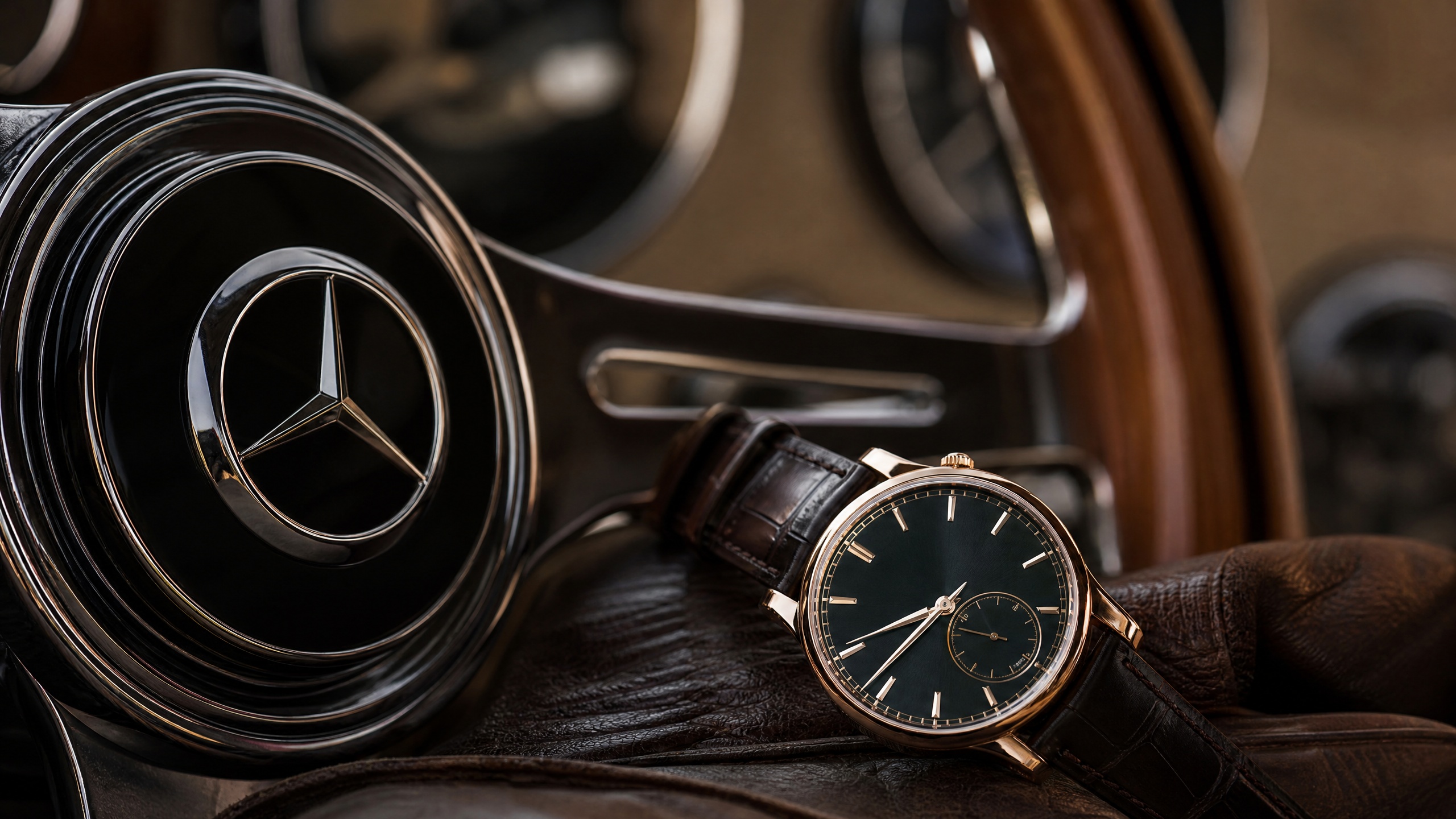
For the motoring enthusiast, there is no greater joy than the smell of rich leather and the sound of a naturally aspirated engine. Classic cars represent the intersection of mechanical engineering, art, and nostalgia.
The Historic Automobile Group International (HAGI) index, which tracks the performance of exceptional classic cars, has routinely shown massive gains over the long term.
Market Dynamics of Classic Cars
Investing in classic cars is not just about buying an old vehicle; it requires identifying models with historical significance, racing pedigree, or extreme scarcity.
-
Blue-Chip Classics: 1950s and 60s Ferraris (like the 250 GTO), early Porsche 911s, and classic Aston Martins represent the top tier. These are multimillion-dollar assets traded among the ultra-wealthy.
-
Modern Classics (Youngtimers): A growing trend is the appreciation of cars from the 1980s, 90s, and early 2000s. As the generation who grew up with posters of these cars on their walls reaches peak earning potential, prices for analog supercars (like the Ferrari F40, Porsche Carrera GT, or even pristine BMW E30 M3s) have skyrocketed.
The Hidden Costs
Unlike a diamond that sits quietly in a safe, a classic car is a living, breathing machine. Investors must calculate the “cost of carry,” which includes:
-
Climate-controlled storage
-
Specialized insurance
-
Routine maintenance by specialized mechanics
-
Restoration costs
A classic car should ideally be driven sparingly to keep the mechanicals functioning, meaning you get to physically enjoy your investment.
Liquid Gold: Rare Whisky Investing
The whisky market has transformed from a niche hobby into a serious alternative asset class. Driven by skyrocketing demand from Asia and a global appreciation for single malts, rare whisky—particularly Scotch and Japanese varieties—has seen explosive growth.
Bottles vs. Casks
There are two primary ways to invest in whisky:
-
Bottle Investing: Buying rare, limited-edition bottles from iconic distilleries like The Macallan, Bowmore, or silent (closed) distilleries like Karuizawa and Port Ellen. The older the age statement and the lower the bottle count, the higher the potential return.
-
Cask Investing: Purchasing whole barrels of maturing spirit directly from a broker or distillery. As the whisky ages in the wood, it naturally becomes more valuable. Cask investing requires patience and factoring in bottling costs and the “angel’s share” (natural evaporation over time).
Provenance and Forgery
Because prices have risen so dramatically, the rare whisky market has unfortunately attracted counterfeiters. Empty genuine bottles are sometimes refilled with inferior liquid. To protect your investment, only buy from reputable auction houses, established brokers, or directly from the distillery. Provenance—the documented history of the bottle’s origin and storage—is everything.

The Big Picture: Luxury Asset Diversification
Why should an investor bother with watches, bags, or cars when they could simply buy index funds or real estate? The answer lies in Luxury Asset Diversification.
A well-constructed financial portfolio is built to withstand economic shocks. Traditional assets (equities, bonds) are highly correlated; if the stock market crashes, most stocks go down together. Luxury assets, however, have a very low correlation to traditional financial markets.
Benefits of a Tangible Portfolio
-
Inflation Hedging: Physical assets hold intrinsic value. As fiat currency loses purchasing power due to inflation, the nominal price of a Rolex, a Birkin bag, or a barrel of Macallan generally rises to reflect that new reality.
-
Privacy and Portability: Certain luxury assets, like diamonds and high-end watches, represent incredibly dense, portable wealth that exists outside the traditional banking system.
-
The “Joy Dividend”: This is perhaps the greatest benefit of luxury diversification. A stock certificate cannot be worn to a dinner party. A bond cannot be driven down a coastal highway. Passion investments provide an emotional and aesthetic return on investment that traditional assets simply cannot match.
Building Your Strategy
To successfully integrate luxury assets into your portfolio, treat them with the same analytical rigor as you would a business acquisition.
-
Do not exceed 5% to 10% of your total net worth in alternative, illiquid assets.
-
Specialize: Do not try to be an expert in classic cars, diamonds, and whisky all at once. Pick one area you are genuinely passionate about and study it obsessively.
-
Patience is Key: Luxury assets are inherently illiquid. You cannot panic-sell a vintage Ferrari with the click of a button. These investments should be viewed with a minimum time horizon of 5 to 10 years.
Conclusion
The landscape of modern wealth management has shifted. While stocks, bonds, and real estate will always form the bedrock of a sound financial plan, the inclusion of luxury assets offers a dynamic, exciting, and potentially highly lucrative layer of diversification.
Whether it is the intricate movement of a Patek Philippe, the flawless sparkle of a pink diamond, or the rich complexity of a 50-year-old single malt, investing in luxury assets allows you to curate a portfolio that is a true reflection of your tastes. By combining profound market research with genuine passion, you can navigate these alternative markets successfully, ensuring that your wealth is not just protected, but beautifully preserved.