Best Credit Cards for Beginners 2026 Guide)
Choosing your first credit card is one of the most important financial decisions you can make. A beginner-friendly credit card can help you build a positive credit history, improve your credit score, and teach responsible borrowing habits. On the other hand, choosing the wrong card may lead to unnecessary fees, high interest charges, and long-term debt.
In this guide, you’ll learn everything you need to know about beginner credit cards, including their benefits, essential features, how to compare them, common mistakes to avoid, and practical tips for building excellent credit.

Why Your First Credit Card Matters
A credit card is more than just a payment method. It is one of the primary tools used by lenders to evaluate your financial responsibility.
Using your first credit card wisely can help you:
- Build a strong credit history
- Increase your credit score over time
- Qualify for better financial products
- Receive cashback and rewards
- Improve your chances of getting approved for loans or mortgages later
A poor payment history, however, may negatively affect your credit profile for years.
What Makes a Credit Card Good for Beginners?
Not every credit card is designed for first-time users. Beginner cards generally focus on easy approval requirements and simple features.
Key Features to Look For
| Feature | Why It Matters |
|---|---|
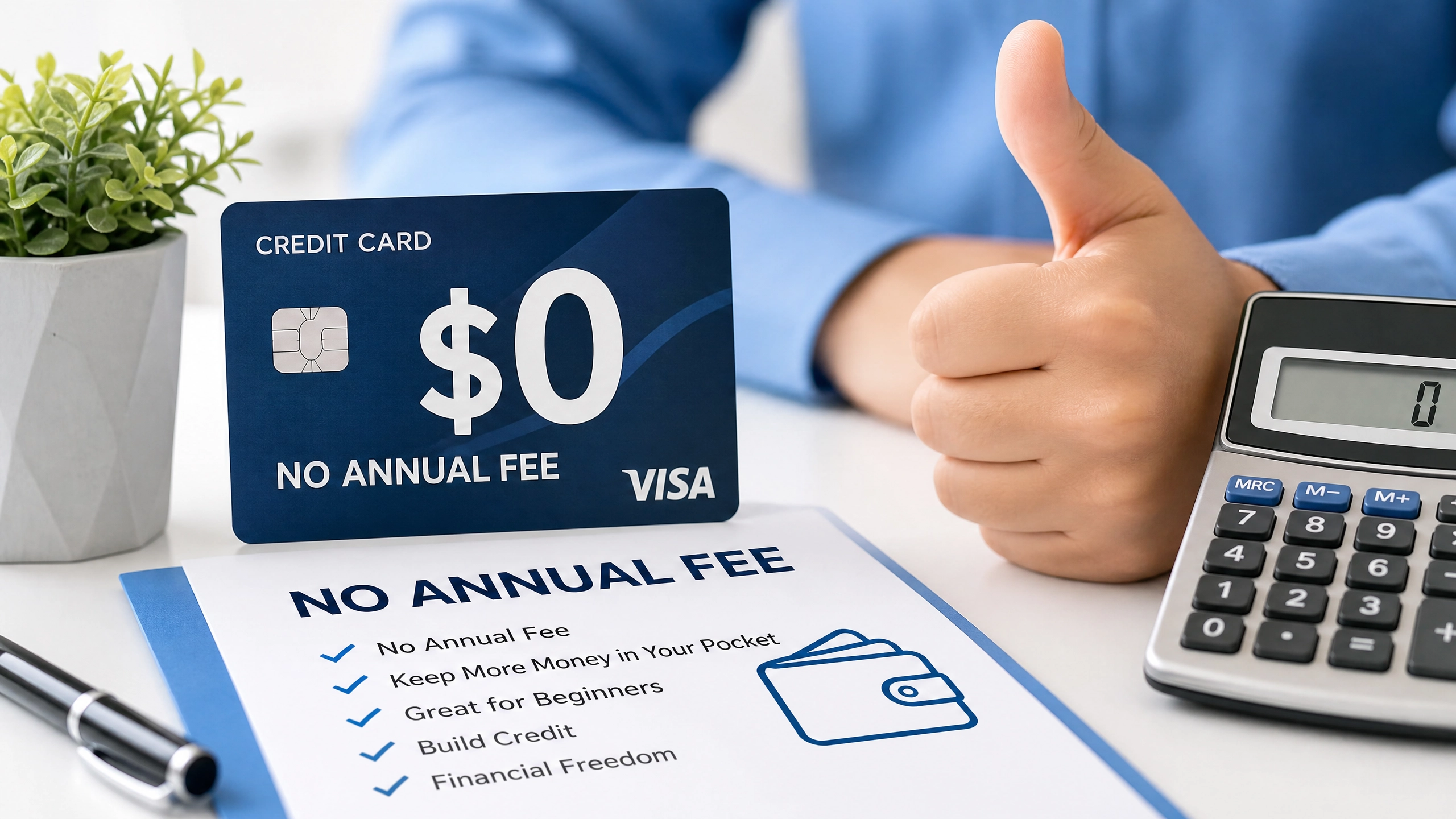
| No Annual Fee | Reduces ownership costs |
| Low Credit Limit | Helps prevent overspending |
| Easy Approval | Suitable for people with limited credit history |
| Credit Bureau Reporting | Helps build your credit profile |
| Fraud Protection | Improves account security |
| Mobile Banking | Makes tracking spending easier |
| Cashback Rewards | Earn money back on purchases |
| Educational Tools | Helps learn responsible credit usage |
Types of Beginner Credit Cards
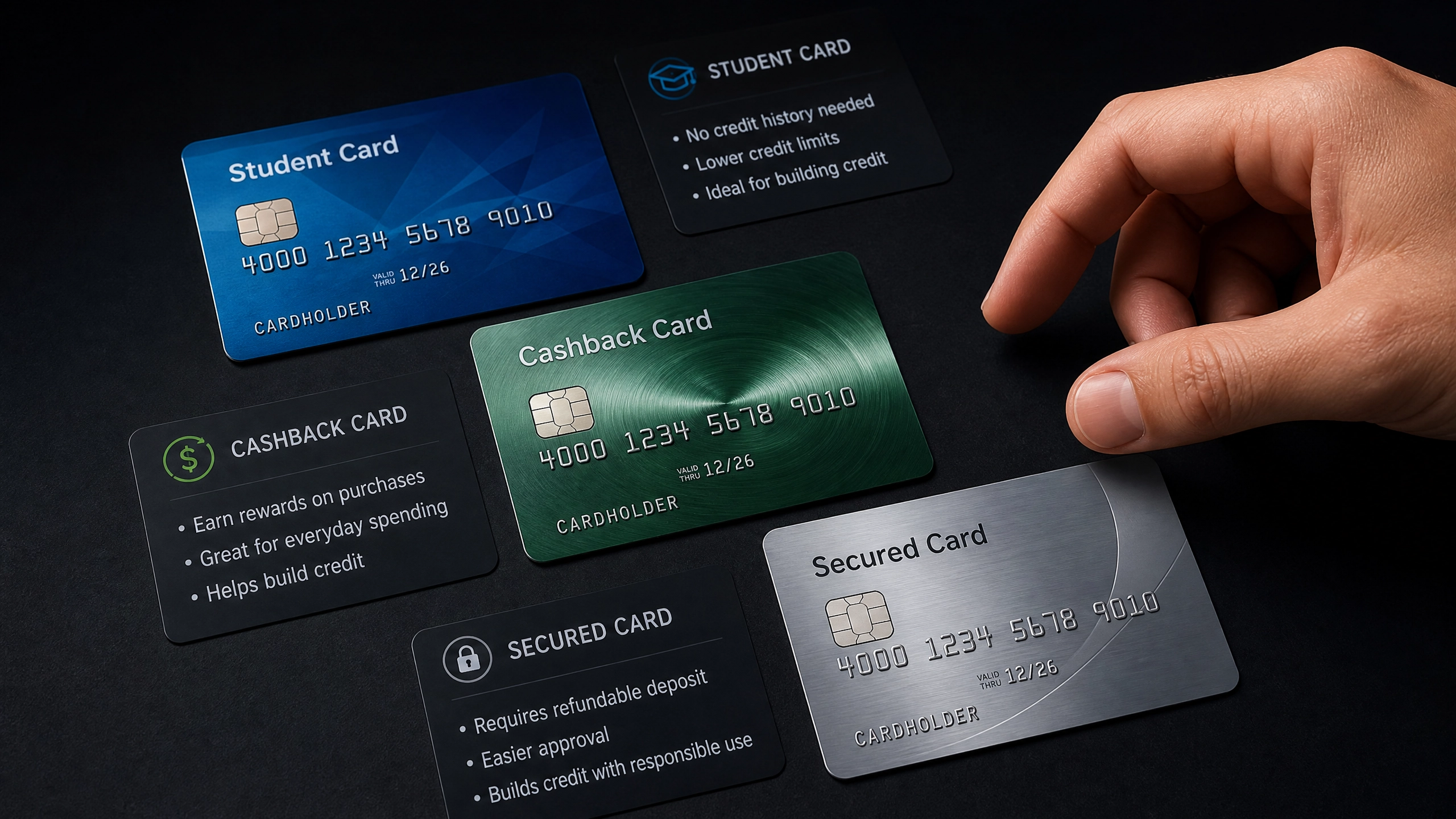
Student Credit Cards
Student cards are designed for college students with limited or no credit history.
Benefits include:
- Easier approval
- Small credit limits
- Cashback rewards
- Credit education resources
Secured Credit Cards
A secured credit card requires a refundable security deposit.
This type of card is often recommended for:
- First-time users
- Individuals rebuilding credit
- Applicants with limited credit history
Responsible usage may eventually qualify you for an unsecured card.
Cashback Credit Cards
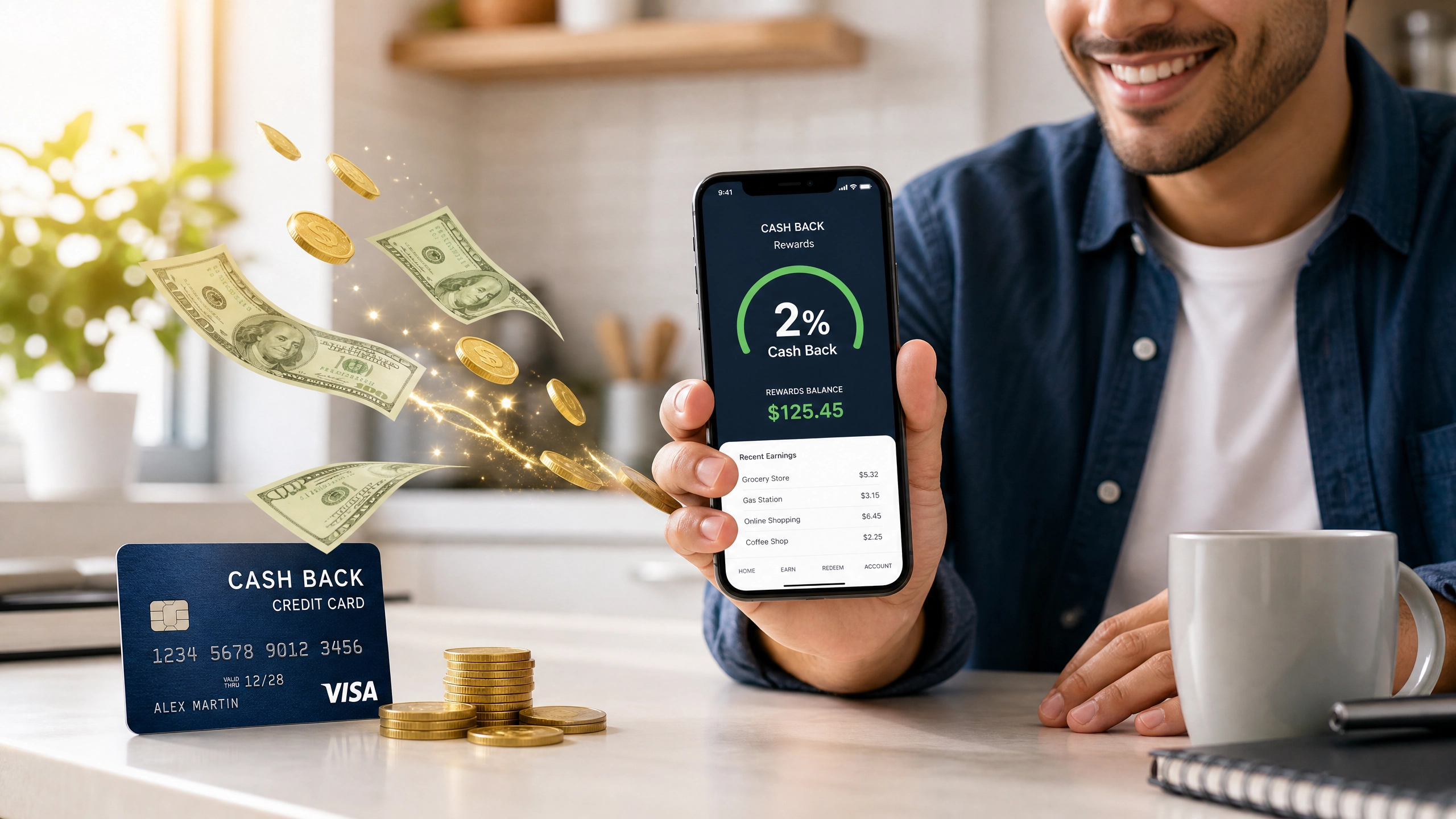
Some beginner cards provide simple cashback rewards on everyday purchases.
Common reward categories include:
- Grocery stores
- Restaurants
- Gas stations
- Online shopping
The rewards should never encourage unnecessary spending.
Benefits of Having Your First Credit Card
A well-managed credit card offers several advantages.
Build Credit History
Payment history is one of the most important factors affecting your credit score.
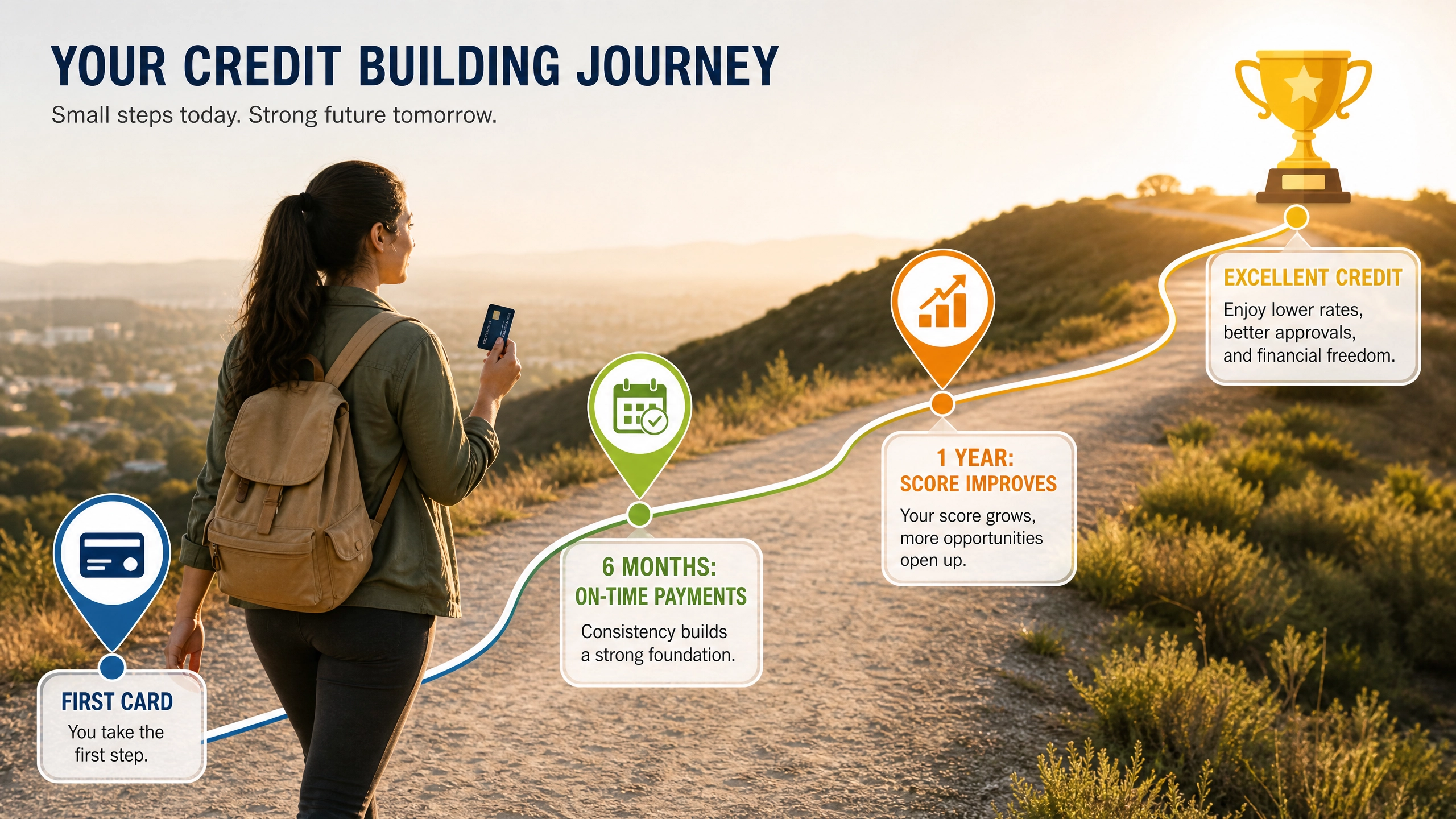
Paying your balance on time each month demonstrates financial responsibility.
Emergency Spending
Unexpected expenses happen.
Having available credit may provide temporary financial flexibility if used responsibly.
Purchase Protection
Many credit cards include benefits such as:
- Fraud monitoring
- Purchase protection
- Extended warranties
- Travel insurance (depending on the card)
Rewards Programs
Even beginner cards may offer rewards that help reduce everyday expenses.
Common Fees to Understand
Before applying, understand the possible costs.
| Fee Type | Description |
|---|---|
| Annual Fee | Charged yearly for card ownership |
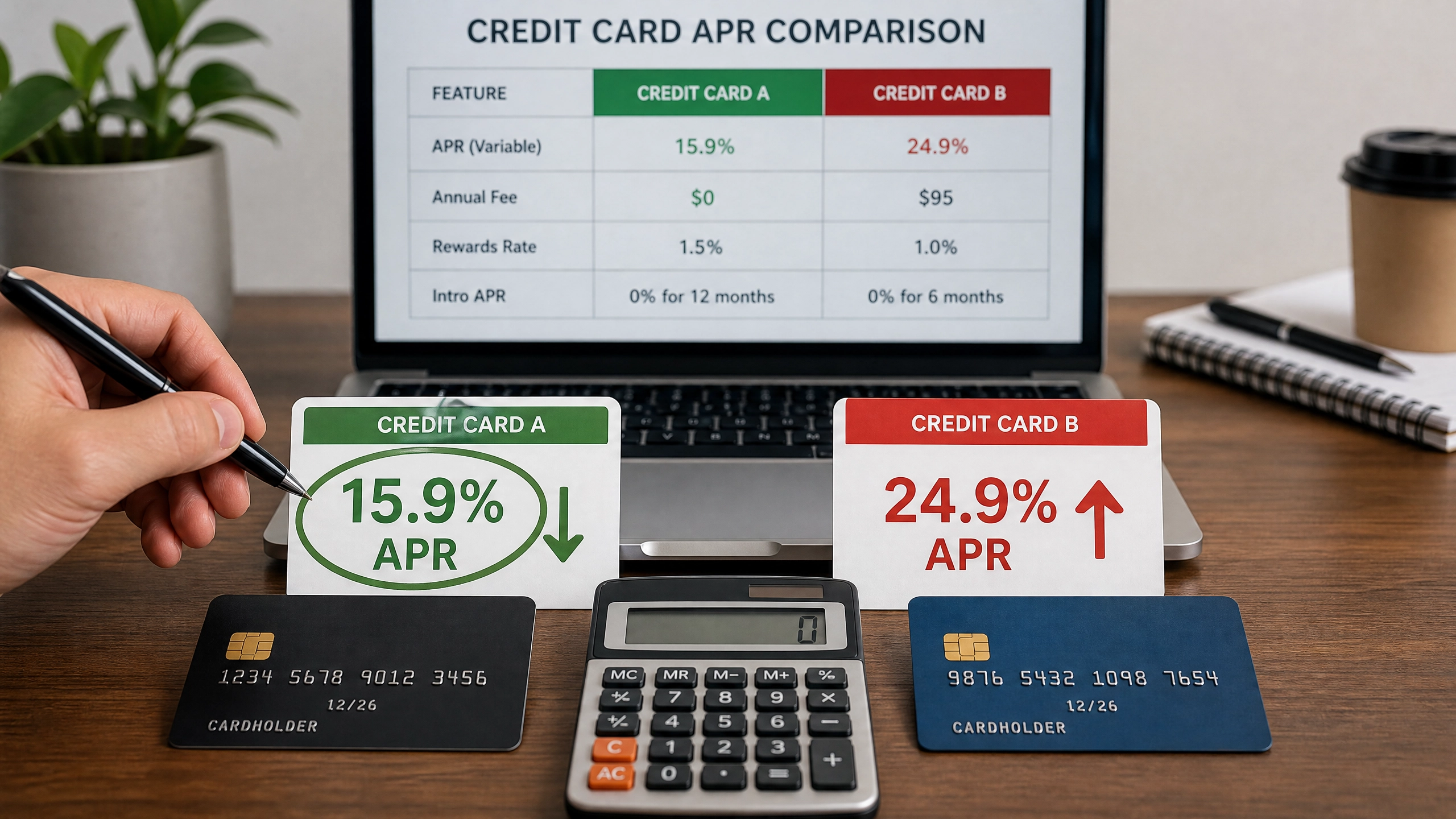
| Interest (APR) | Cost of carrying a balance |
| Late Payment Fee | Charged if payment is late |
| Foreign Transaction Fee | Applies to international purchases |
| Cash Advance Fee | Charged when withdrawing cash |
Understanding these fees helps avoid unnecessary expenses.
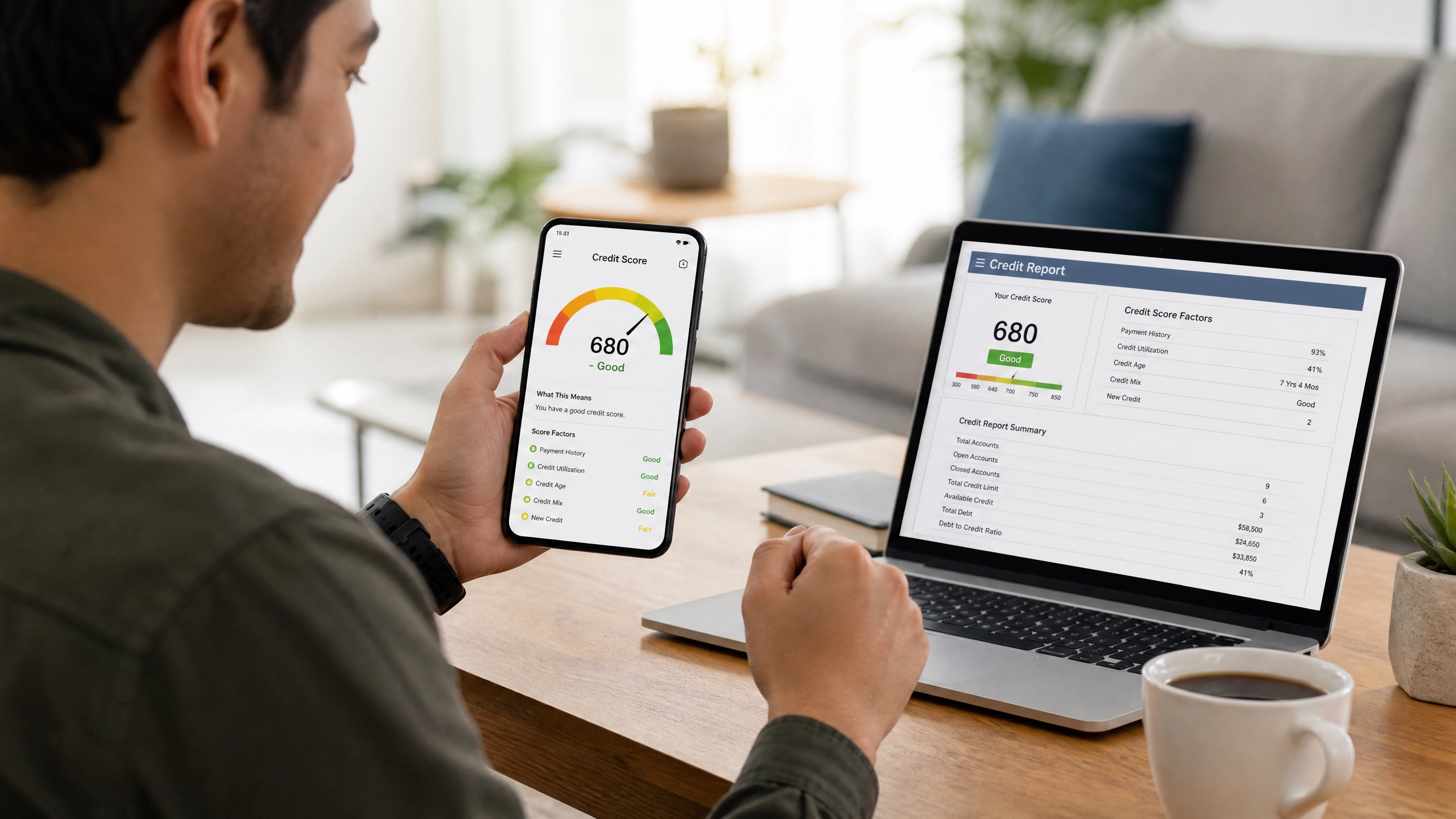
How Credit Scores Work
Although scoring models vary, most consider several factors.
| Credit Score Factor | Importance |
|---|---|
| Payment History | Very High |
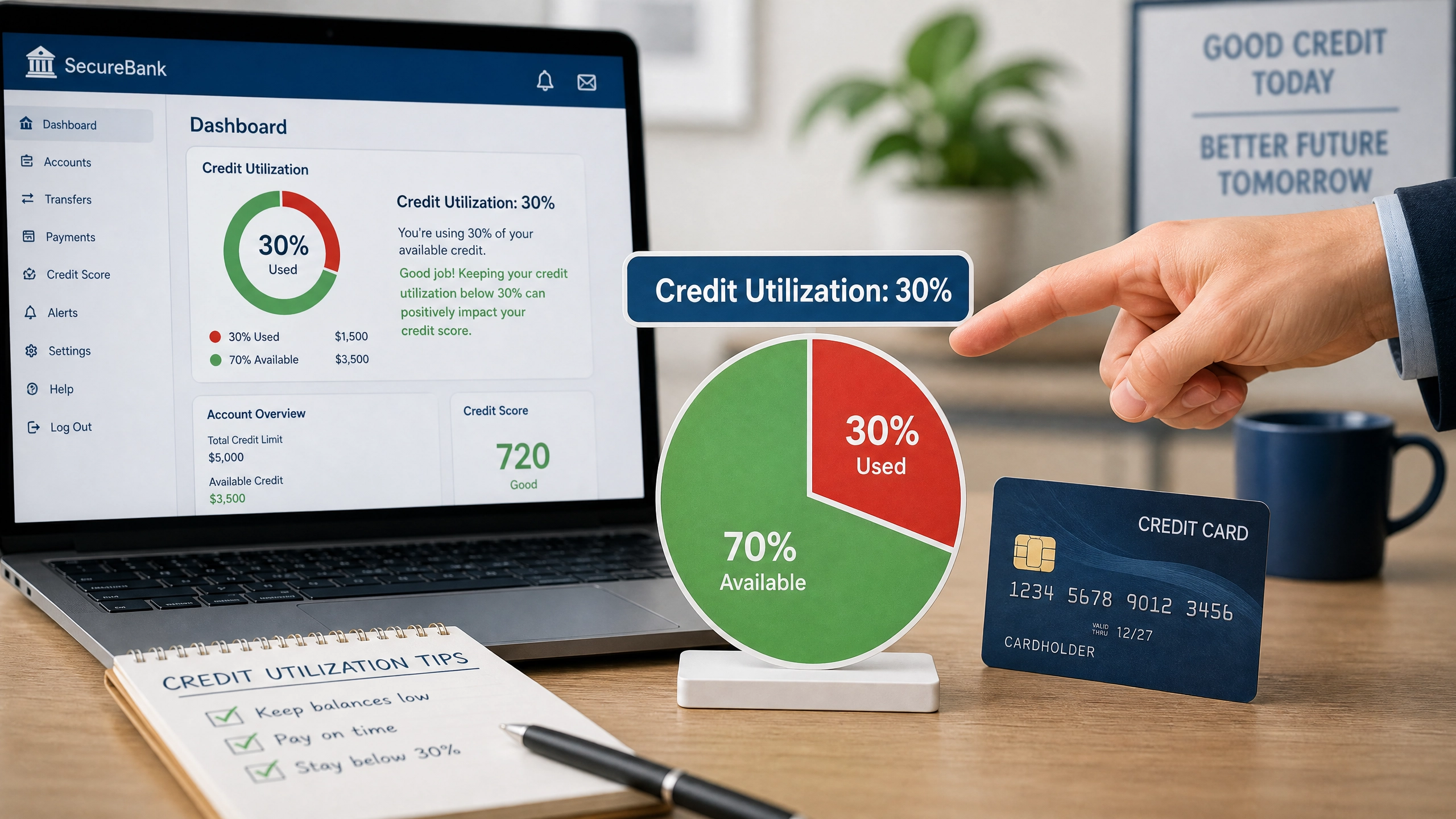
| Credit Utilization | High |
| Length of Credit History | Medium |
| Credit Mix | Medium |
| New Credit Applications | Low |
Making payments on time and keeping balances low are generally among the most influential habits.
How to Choose the Best Beginner Credit Card
Compare Annual Fees
If you’re just starting, a no-annual-fee card is often a practical choice.
Review Interest Rates
Although the goal should be paying the full balance monthly, understanding the APR remains important.
Check Rewards
Simple cashback programs may be easier to manage than complex travel rewards.
Look for Security Features
Choose cards that provide:
- Two-factor authentication
- Instant transaction alerts
- Mobile app controls
- Zero liability fraud protection (where available)
Responsible Credit Card Habits
Building good financial habits from the beginning makes a significant difference.
Always Pay On Time
Late payments may lead to fees and can negatively affect your credit profile.
Consider setting up automatic payments or reminders.
Keep Utilization Low
A commonly suggested practice is keeping your credit utilization well below your available limit. Lower utilization is generally viewed more favorably than consistently maxing out your card.
Avoid Carrying Unnecessary Debt
If possible, pay your full statement balance every month to avoid interest charges.
Monitor Your Statements
Review transactions regularly to identify mistakes or unauthorized purchases.
Beginner Mistakes to Avoid
Many first-time cardholders make similar mistakes.
Avoid these habits:
- Missing payment deadlines
- Maxing out the credit limit
- Applying for too many cards at once
- Ignoring card terms and conditions
- Using cash advances unnecessarily
- Spending beyond your budget
Responsible usage is more important than earning rewards.

Frequently Asked Questions
Can I get a credit card with no credit history?
Yes. Some issuers offer products specifically designed for first-time applicants, including student and secured cards.
Is a secured credit card a good choice?
For many beginners, secured cards provide an opportunity to establish a positive payment history while learning responsible credit management.
Should I pay my balance in full?
Paying the full statement balance each month can help avoid interest charges and encourage healthy financial habits.
How many credit cards should a beginner have?
Starting with one well-managed card is often simpler than opening multiple accounts immediately.
Tips for Building Excellent Credit
Follow these best practices:
- Pay every bill on time.
- Spend only what you can afford.
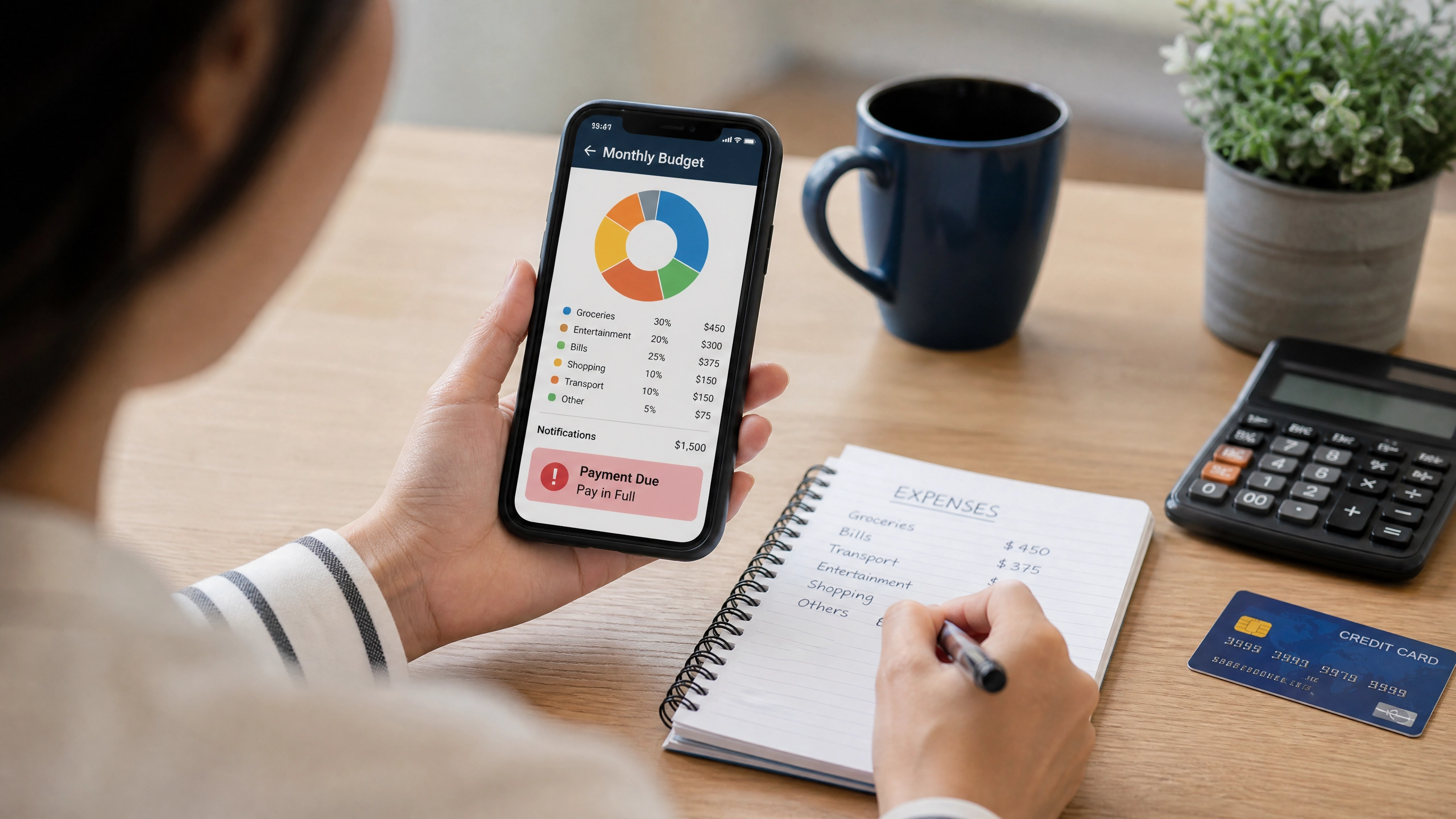
- Track your monthly expenses.
- Review your statements regularly.
- Avoid unnecessary debt.
- Keep older accounts open when appropriate.
- Use automatic payments if helpful.
- Learn how interest works before carrying a balance.
Final Thoughts
Your first credit card can become an important stepping stone toward long-term financial success. The best beginner credit card is one that matches your spending habits, charges reasonable fees, offers straightforward features, and encourages responsible credit use.
Rather than focusing only on rewards, prioritize consistent on-time payments, budgeting, and maintaining healthy credit habits. Over time, these practices can contribute to a stronger financial profile and greater access to future financial products.
Author’s Note
This article is intended for educational and informational purposes only and should not be considered financial or legal advice. Credit card features, eligibility requirements, fees, and benefits vary by issuer and may change over time. Before applying for any credit card, review the official terms, conditions, and pricing information provided by the issuer, and consider your individual financial circumstances.