Your Legal Rights Explained: What Everyone Should Know
Legal rights affect many parts of everyday life. They influence how employers must treat workers, what landlords can require from tenants, how debt collectors may communicate, how businesses advertise products, and what happens when someone receives court papers.
Many people do not think about their legal rights until a serious problem develops. They may sign a contract without reading it, ignore an official notice, accept unfair treatment at work, or pay a disputed debt because they do not understand their options.
Knowing your rights does not require becoming a lawyer. It means recognizing situations that require attention, keeping reliable records, understanding where to find trustworthy information, and seeking qualified assistance before a deadline expires.
This guide explains several important rights and legal protections in the United States. Federal law provides some nationwide protections, while states and local governments may establish additional or stronger rules. The exact rights available therefore depend on the location, people, organizations, and circumstances involved.

Legal Rights Are Not the Same in Every Situation
A legal right is a protection, entitlement, or freedom recognized by a constitution, statute, regulation, contract, or court decision. However, rights are rarely unlimited.
A person may have freedom of expression, for example, but that does not mean every statement is protected in every private workplace or that someone can make threats without consequences. A tenant may have privacy rights, but a landlord may still enter a rental property for legally recognized reasons after providing any required notice.
Before acting, identify:
- Which jurisdiction controls the issue
- Whether federal, state, or local law applies
- Whether a contract changes the parties’ responsibilities
- Whether a filing deadline exists
- Which government agency or court handles the matter
- What evidence is available
General information can explain common rules, but personalized legal advice considers the facts and laws affecting one specific situation.

Your Right to Understand a Contract Before Signing
Contracts are legally significant agreements. They may govern housing, employment, loans, subscriptions, business relationships, purchases, and professional services.
You have the right to read a contract and request clarification before signing it. The other party may refuse to change the terms, but you do not normally have to sign simply because a document has been prepared.
Before agreeing, review:
- The complete price
- Payment deadlines
- Contract duration
- Automatic-renewal provisions
- Cancellation procedures
- Late fees and penalties
- Liability limitations
- Personal guarantees
- Arbitration requirements
- Ownership of intellectual property
- Dispute-resolution rules
Do not rely solely on verbal promises. If a promise is important, ask for it to be included in the written agreement.
Never sign a contract containing blank spaces or missing attachments. Keep a complete copy containing every page, amendment, signature, and referenced document.

Electronic Agreements Can Create Obligations
Contracts are not limited to paper documents. Clicking an acceptance box, signing electronically, or continuing to use a service after receiving updated terms may create legal obligations in qualifying circumstances.
Read online terms before accepting them, particularly when they involve recurring payments, data collection, arbitration, or cancellation restrictions.
Your Workplace Rights
Workers may have rights involving wages, overtime, discrimination, harassment, safety, leave, accommodations, and protection from retaliation.
These protections depend on factors such as the employer’s size, the worker’s classification, job duties, industry, and location.
Minimum Wage and Overtime
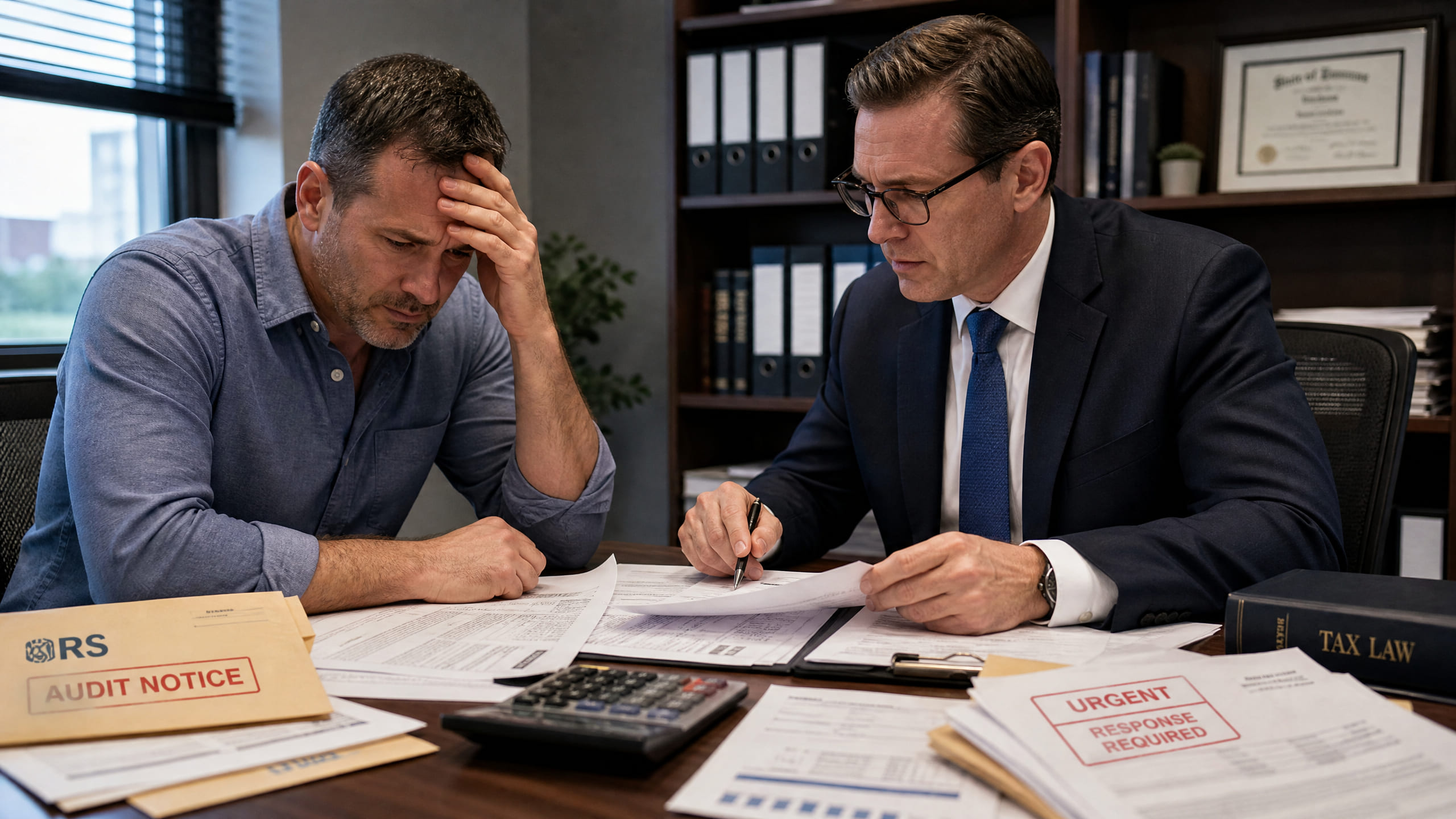
The federal Fair Labor Standards Act establishes minimum-wage, overtime, recordkeeping, and youth-employment requirements for covered workers. Covered nonexempt employees generally must receive overtime pay of at least one and one-half times their regular rate after working more than 40 hours in a workweek. State or local law may provide additional protections.
Being paid a salary or receiving a managerial job title does not automatically eliminate overtime rights. Whether an exemption applies may depend on compensation and actual job responsibilities.
Workers should maintain personal records of:
- Hours worked
- Meal periods
- Pay rates
- Overtime
- Commissions
- Bonuses
- Payroll deductions
- Amounts received
Possible warning signs include unpaid preparation work, altered time records, work performed after clocking out, or improper deductions.
Protection From Discrimination
Federal equal-employment laws prohibit covered employers from discriminating based on characteristics that include race, color, religion, national origin, sex, pregnancy, sexual orientation, transgender status, age for workers aged 40 or older, disability, and genetic information. These protections may apply to hiring, pay, promotion, job assignments, discipline, and termination.
State and local laws may protect additional characteristics or apply to smaller employers.
Not every unfair workplace decision is illegal discrimination. There generally must be evidence connecting the decision to a legally protected characteristic or activity.

Protection From Retaliation
Workers may be protected when they report discrimination, request an accommodation, participate in an investigation, report certain wage violations, or raise workplace-safety concerns.
OSHA states that employers may not retaliate against workers for exercising covered safety rights. Retaliation can include firing, demotion, discipline, transfer, or other unfavorable action. Some OSHA retaliation complaints must be filed within only 30 days, although deadlines differ under other laws.
Because employment deadlines can be short, workers should not assume that an internal human-resources investigation pauses an external filing period.

Your Right to a Safe Workplace
Covered employers must provide workplaces that comply with applicable safety and health requirements. Workers may have the right to report dangerous conditions, request an OSHA inspection, receive safety information, and obtain required training they can understand.
Potential hazards include:
- Dangerous machinery
- Electrical risks
- Chemical exposure
- Inadequate protective equipment
- Fall hazards
- Unsafe construction practices
- Serious sanitation problems
- Inadequate emergency procedures
Report urgent hazards through the proper workplace process when it is safe to do so. Keep records of the condition, prior reports, witnesses, photographs, and the employer’s response.
Immediate threats to life or safety may require emergency services rather than only an internal complaint.

Your Rights as a Tenant
Landlord-tenant laws differ significantly between states and cities. Important subjects include rent, repairs, privacy, deposits, discrimination, lease termination, and eviction.
A lease should identify:
- Rent and payment dates
- Utility responsibilities
- Maintenance duties
- Security-deposit terms
- Rules about guests and pets
- Renewal conditions
- Notice requirements
- Move-out procedures
Tenants should keep a signed copy and document the property’s condition at move-in and move-out.

Habitability and Repairs
Rental housing may be required to meet applicable health and safety standards. Tenants should report serious repair problems in writing and keep proof of delivery.
A written repair request should identify the problem, when it began, its effect on the property, and any immediate danger. Photographs or videos may help document the condition.
Do not automatically withhold rent, make major repairs, or terminate a lease without checking local law. A remedy permitted in one jurisdiction may create legal problems in another.
Privacy and Landlord Entry
Tenants generally have a right to use the rental property without unreasonable interference. However, landlords may have access rights for repairs, inspections, emergencies, or legally authorized showings.
Advance notice may be required except in emergencies or other recognized situations. The required notice and permitted reasons vary by jurisdiction.
Eviction Procedures
A landlord generally must follow the legally required eviction process. A notice to pay rent or leave the property is not necessarily the same as a final court order.
Tenants who receive eviction documents should act promptly, read every deadline, preserve payment records, and seek local assistance. USAGov provides information about housing complaints and legal-aid options for unresolved landlord disputes.
Ignoring an eviction lawsuit may allow the court to proceed without hearing the tenant’s complete position.
Your Consumer Rights
Consumer-protection laws may apply to misleading advertisements, defective products, unauthorized transactions, unfair billing, credit reporting, debt collection, and scams.
When a problem develops, begin by gathering:
- Receipts
- Contracts
- Advertisements
- Warranty information
- Payment records
- Emails and messages
- Photographs
- Delivery records
Contact the business in writing and explain the issue clearly. State the resolution you want, such as a refund, correction, replacement, or cancellation.
When the business does not resolve the problem, consumers may be able to contact a state consumer-protection office, attorney general, regulator, or another agency. USAGov identifies complaint routes for products, services, and suspicious business practices.
Your Credit-Reporting Rights
Credit reports can affect borrowing, housing, insurance, and other financial opportunities. Consumers should review their reports for accounts, balances, addresses, or inquiries they do not recognize.
The Consumer Financial Protection Bureau states that consumers can request legally authorized free credit reports through the official AnnualCreditReport service. Requesting your own report does not damage your credit score.
When information is inaccurate, consumers can dispute it with the credit-reporting company and the organization that supplied the information. Furnishers generally must investigate and respond within the applicable period, commonly 30 days after receiving a qualifying dispute.
Keep copies of the dispute, supporting documents, delivery confirmation, and responses.
Your Rights When Contacted by a Debt Collector
Debt collectors must follow federal and state rules. The federal Fair Debt Collection Practices Act limits certain abusive, deceptive, and unfair conduct involving covered consumer debts.
Collectors are generally restricted from:
- Harassing or abusing consumers
- Using deceptive statements
- Calling at prohibited or known inconvenient times
- Improperly disclosing debt information
- Threatening action they cannot legally take
Debt collectors are generally prohibited from calling before 8 a.m. or after 9 p.m., unless circumstances make another time appropriate or the consumer agrees. They must also follow qualifying instructions about inconvenient contact times and places.
Before paying, request information identifying:
- The collector
- The creditor
- The amount claimed
- The account
- The dispute procedure
When a consumer disputes a covered debt in writing within the applicable 30-day period, the collector generally must pause collection until it provides verification.
Do not provide sensitive banking information until the collector’s identity and claim have been verified.
Your Protection From Fraud and Scams
Scammers commonly impersonate banks, businesses, government agencies, employers, technical-support services, and relatives. They may demand urgent payment or request passwords, account numbers, or verification codes.
Common warning signs include:
- Pressure to act immediately
- Threats of arrest or account closure
- Guaranteed investment returns
- Requests for gift cards or cryptocurrency
- Instructions to move money to a “safe” account
- Demands for secrecy
- Unexpected links or attachments
- Requests for remote access to a device
Verify unexpected requests using contact information obtained independently. Do not use a telephone number or link contained in a suspicious message.
When fraud occurs:
- Stop communicating with the scammer.
- Contact the payment provider immediately.
- Secure affected accounts.
- Change exposed passwords.
- Preserve messages and transaction records.
- Report the scam through the appropriate channel.
The FTC accepts reports of scams, fraud, and suspicious business practices. Reports help investigators identify patterns and provide consumers with recovery guidance.
Your Civil Rights
Federal civil-rights laws protect people from certain forms of discrimination and violations of constitutional rights. The Department of Justice Civil Rights Division enforces laws involving areas such as education, employment, housing, disability rights, voting, public accommodations, and programs receiving federal assistance.
Available protections depend on the setting and law involved. For example, the protected categories and complaint process in housing may differ from those in employment.
A person who believes their civil rights were violated should document:
- What happened
- When and where it happened
- Who was involved
- Witnesses
- Relevant statements
- Documents, photographs, or recordings
- Previous complaints and responses
The Justice Department provides a reporting portal for possible civil-rights violations. A report does not guarantee that the federal government will open an investigation or represent the individual.
Your Rights When You Receive Court Papers
Being sued does not mean the plaintiff has already won. A complaint contains allegations that may be admitted, denied, challenged, settled, or decided by a court.
However, court papers should never be ignored.
A civil summons may require the defendant to file an answer or motion within a specific period. In federal cases, defendants generally have 21 days after service to answer, although different deadlines and exceptions apply. State courts follow their own rules.
Failure to respond can result in a default judgment.
After receiving court documents:
- Record when and how they were delivered
- Read every page
- Identify the court and case number
- Find the response deadline
- Preserve all related evidence
- Notify any relevant insurer
- Consult a qualified attorney promptly
Court clerks may explain filing procedures, but they generally cannot provide legal strategy.
Protecting Your Rights Through Documentation
Legal disputes are often decided through evidence rather than memory alone.
Useful records include:
- Contracts
- Receipts
- Bank statements
- Photographs
- Videos
- Emails
- Text messages
- Medical records
- Pay records
- Repair requests
- Court notices
- Complaint confirmations
Create a timeline showing important dates, conversations, payments, promises, and deadlines.
Do not alter or destroy relevant material. Deleting evidence after a dispute begins may harm your legal position and could produce additional consequences.
Legal Rights at a Glance
| Legal issue | Important first step | Possible source of assistance |
|---|---|---|
| Unpaid wages | Preserve hours and pay records | Labor department or employment attorney |
| Workplace discrimination | Document events and check deadlines | EEOC, state agency, or attorney |
| Unsafe workplace | Report and document the hazard | OSHA or state safety agency |
| Landlord dispute | Review the lease and send written notice | Housing agency or legal aid |
| Credit-report error | Send a documented dispute | Credit bureau, furnisher, or CFPB |
| Debt collection | Request verification | CFPB, attorney general, or attorney |
| Consumer fraud | Contact the payment provider | FTC or state consumer agency |
| Civil-rights complaint | Preserve evidence | DOJ or appropriate civil-rights agency |
| Lawsuit papers | Identify the response deadline | Licensed attorney or legal aid |
When to Seek Legal Advice
Professional advice becomes especially important when:
- A court deadline is approaching
- You have been arrested or accused of a crime
- A large amount of money is involved
- Your home, employment, or business is at risk
- You are asked to sign a settlement or release
- The other party has an attorney
- A child-custody or family-safety issue exists
- Serious injury has occurred
- Important evidence may disappear
- You do not understand your legal obligations
Hiring an attorney does not necessarily mean filing a lawsuit. Lawyers may review documents, identify deadlines, negotiate solutions, and help prevent disputes.
People who cannot afford traditional representation may qualify for civil legal aid, law-school clinics, pro bono programs, or limited-scope services. USAGov provides a directory of free and lower-cost legal resources, although eligibility and availability vary.
Frequently Asked Questions
Does every unfair situation violate the law?
No. Conduct may be unreasonable or unethical without violating a specific law. A legal claim usually requires facts that satisfy the requirements of a statute, contract, regulation, or recognized legal duty.
Can I protect my rights without hiring a lawyer?
Sometimes. Individuals may file complaints, dispute credit information, communicate with businesses, and represent themselves in certain proceedings. Complex or high-risk matters may require professional assistance.
Does an internal complaint stop a legal deadline?
Not necessarily. Workplace, housing, consumer, and court deadlines may continue while an organization investigates internally.
Should important complaints be made in writing?
Written communication usually creates a clearer record. Keep copies and proof of delivery.
Can I ignore a legal notice when I believe it is wrong?
No. Even an inaccurate claim may result in consequences if the required response is not submitted on time.
Can someone guarantee the outcome of a legal case?
No responsible attorney can guarantee a particular result. Outcomes depend on the facts, evidence, law, procedures, decision-makers, and conduct of all parties.
Final Thoughts
Knowing your legal rights is mainly about recognizing when action is necessary. Read documents before signing, preserve important evidence, make serious complaints in writing, and respond promptly to official notices.
Understand that rights vary by jurisdiction and situation. The rules governing a workplace complaint may be different from those governing a lease, debt, credit report, consumer purchase, or lawsuit.
Do not allow pressure, fear, or uncertainty to force an uninformed decision. Verify claims, review deadlines, use official complaint channels, and seek qualified advice when significant rights, money, property, employment, or safety are involved.
This article is provided for general educational and informational purposes only. It does not constitute legal advice, create an attorney-client relationship, or describe every federal, state, and local protection. Laws, procedures, agencies, and filing deadlines may change and vary by jurisdiction. Consult a qualified attorney or appropriate government agency for guidance about a specific situation.
Sources and Further Reading
U.S. Department of Labor – https://www.dol.gov/agencies/whd/flsa
EEOC Employee Rights – https://www.eeoc.gov/employers/small-business/employee-rights
OSHA Worker Rights – https://www.osha.gov/workers
U.S. Department of Justice Civil Rights Division – https://civilrights.justice.gov/
USA.gov Legal Aid – https://www.usa.gov/legal-aid