Small claims court explained in practical terms is a simplified civil process for certain lower-value disputes. It is designed to be more accessible than ordinary civil litigation, but it is still a real court. Deadlines, evidence rules, service requirements, monetary limits, appeal rights, attorney participation, and available remedies vary by state and sometimes by county or court. The first step is always to read the current instructions for the exact court that would hear the case.
This guide provides a general U.S. framework for evaluating, preparing, filing, and presenting a small claims case. It does not replace local rules or legal advice. Examples from California, New York, and Texas show why a nationwide dollar limit or one universal procedure cannot be assumed.
What Small Claims Court Can—and Cannot—Do
Small claims courts commonly hear disputes involving unpaid personal loans, damaged property, security deposits, incomplete services, consumer purchases, and modest contract claims. Many courts primarily award money. Some cannot issue an order requiring a person to perform an action, return property, stop conduct, or transfer title. Other case types, such as eviction, family law, probate, defamation, or claims against government agencies, may follow separate procedures.
The monetary ceiling depends on location and sometimes on who is filing. New York’s official court materials, for example, describe different limits for New York City, City Courts, and Town or Village Courts. Texas Justice Courts use a different limit. California also has its own limits and restrictions. These examples are not a substitute for the current rule in your jurisdiction.
A person should also confirm whether the court can hear the subject of the dispute, whether the claim is still within the statute of limitations, and whether the requested remedy is available. Filing in the wrong court can cost time and fees.

Step 1: Identify the Legal Claim and Remedy
Begin with one clear sentence: “The defendant owes me a specific amount because…” Then identify the agreement, event, or legal duty supporting that statement. A persuasive case connects facts to a recognized claim and shows a measurable loss.
For a contract dispute, the basic questions may include whether an agreement existed, what each side promised, what was performed, what was not performed, and how the breach caused a dollar loss. For property damage, questions may include ownership, responsibility, repair cost, and whether insurance or another payment has already covered part of the loss.
Do not inflate damages to express frustration. Courts generally require a legal basis and proof for each amount. Separate the principal loss, allowed costs, interest, and any statutory damages. If the actual claim exceeds the local limit, research whether waiving the excess is permitted and what rights would be lost. Some courts prohibit splitting one larger claim into several smaller cases.
Step 2: Check Time Limits, Venue, and Eligibility
The statute of limitations is the deadline for starting a lawsuit. Different deadlines may apply to written contracts, oral agreements, property damage, personal injury, fraud, and government claims. The event that starts the clock can also be disputed. Never rely on a general article to calculate a deadline.
Venue determines the proper location. Common venue rules look to where the defendant lives or does business, where the agreement was made or performed, or where the event occurred. A lease dispute may have special rules tied to the property. Filing in a convenient but unauthorized county can lead to transfer or dismissal.
Eligibility rules can address age, business status, filing frequency, and claim amount. New York City’s official guidance says a person under 18 has a parent or guardian sue on their behalf. Other states may use a guardian, representative, or different procedure. A minor should never sign or file legal papers as an adult or bypass a court’s age requirements.

Step 3: Try to Resolve the Dispute First
Many disputes settle after a clear written demand. Some courts require a demand before filing; others strongly encourage it. A demand letter should be factual, calm, and specific. Identify the parties, describe what happened, state the amount requested, attach or reference supporting records, provide a reasonable response date, and explain that legal options may be considered if the matter is not resolved.
Keep proof of delivery and a copy of everything sent. Do not threaten criminal charges, public embarrassment, immigration consequences, or unrelated harm. A lawful settlement can save filing fees and collection work. Mediation may help when both sides want a practical compromise.
If an agreement is reached, put it in writing. State the amount, payment dates, release terms, and what happens to any filed case. Do not dismiss a case prematurely without understanding whether it can be reopened if payment fails.
Step 4: Name the Correct Defendant
The correct legal name matters. A person may use a nickname, while a business may operate under a trade name that differs from the corporation or limited liability company responsible for the obligation. California Courts warns that using the wrong legal name can make collection difficult even after winning.
Check contracts, invoices, receipts, state business records, professional licenses, and official correspondence. Determine whether the defendant is an individual, sole proprietor, partnership, corporation, LLC, government entity, or another legal organization. The registered agent may be relevant for service on a business.
Do not add people merely because they work for the business or communicated with you. Each defendant needs a legal connection to the claim.
Step 5: Organize Evidence Before Filing
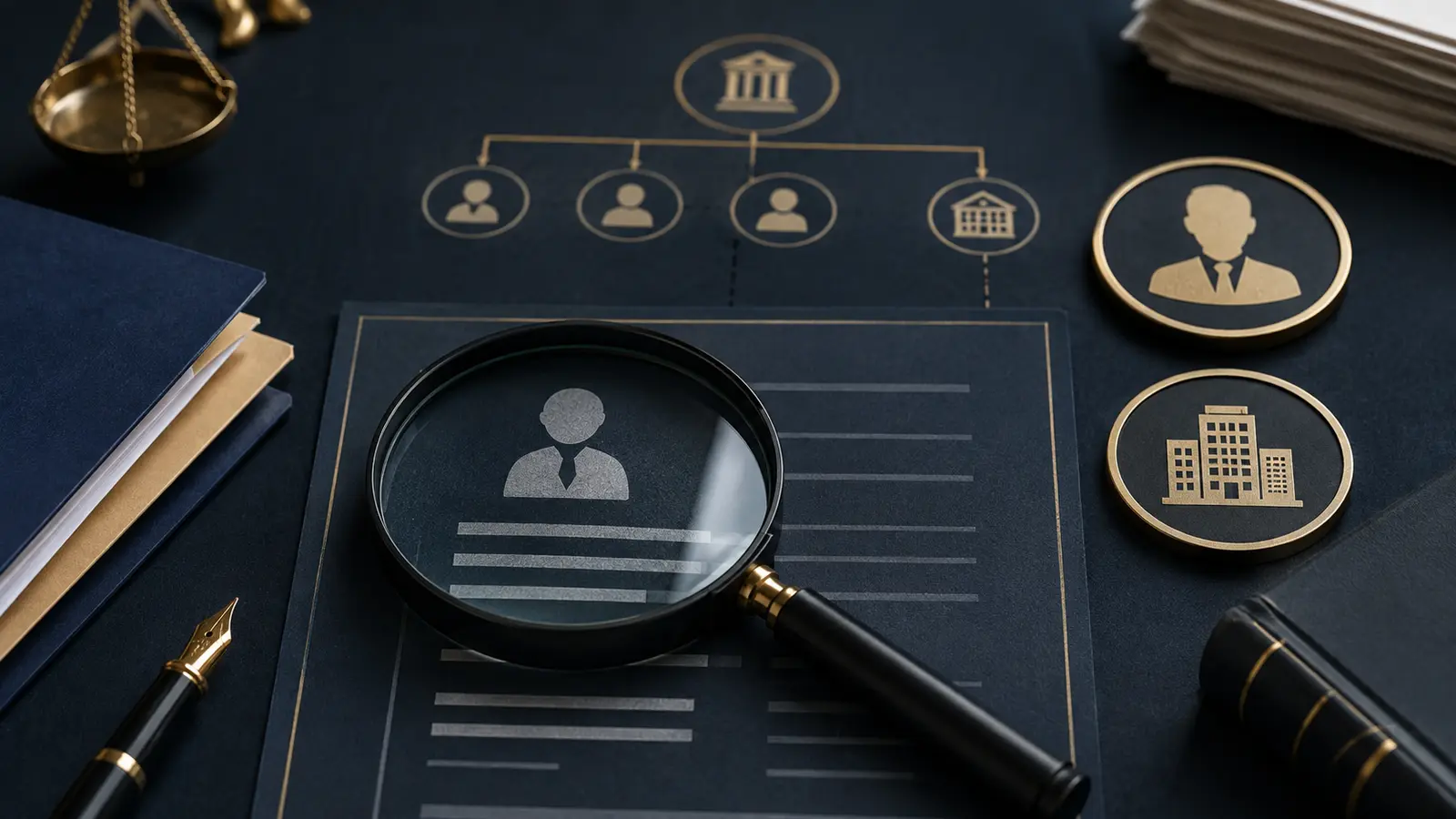
Evidence should prove the story, not simply create a large stack of paper. Common records include contracts, invoices, receipts, canceled checks, bank records, photographs, inspection reports, repair estimates, warranties, emails, messages, delivery records, and a written timeline.
Preserve original files and metadata when possible. Screenshots should show dates, participants, and enough context to understand the conversation. Do not edit a message in a way that changes its meaning. For online records, save copies because pages and accounts can disappear.
Create an evidence chart with four columns:
| Fact to Prove | Evidence | Witness | Possible Objection or Gap |
|---|---|---|---|
| An agreement existed | Signed contract, messages, invoice | Person present when agreement was made | Terms may be incomplete or disputed |
| You performed your part | Payment receipt, delivery record | Service provider or recipient | Other side may allege defective performance |
| Defendant failed to perform | Missed deadline, refusal, inspection | Independent observer | Excuse, modification, or waiver may be claimed |
| Dollar loss | Paid invoice, estimate, valuation | Repair professional | Estimate may not show actual or reasonable cost |
This exercise reveals missing proof before a fee is paid.

Step 6: Complete and File the Court Forms
Use forms from the official state or local court website. Identify the plaintiff and defendant exactly, provide authorized addresses, summarize the claim, explain venue, and calculate the requested amount. Read every declaration before signing. A signature may certify that the information is true under penalty of perjury.
Filing methods vary. A court may accept paper filing, electronic filing, or both. Filing fees also vary, and fee-waiver procedures may be available to eligible people. California’s self-help site lists a filing-fee range, but that number should not be assumed elsewhere or treated as permanent.
After filing, record the case number, hearing date, service deadline, response deadline, and any required conference or mediation. Keep a stamped copy of the claim and every later filing.
Step 7: Serve the Defendant Correctly
Service gives formal notice of the lawsuit. It is not the same as casually emailing the claim or handing papers to the defendant yourself. Each jurisdiction defines who may serve, which documents must be delivered, acceptable delivery methods, timing, and proof-of-service requirements.
Some courts arrange service by mail; others require a sheriff, process server, or eligible adult who is not a party. Businesses and government agencies can have special service rules. If service is late or defective, the hearing may be postponed or the case dismissed.
Do not confront or intimidate the defendant. Use the lawful process described by the court. File proof of service by the deadline and bring a copy to the hearing.

Step 8: Prepare a Short, Logical Presentation
A small claims hearing may be brief. Organize the presentation into five parts:
- Who: Identify the parties and their relationship.
- Agreement or duty: Explain what the defendant promised or was required to do.
- Breach or event: State what went wrong and when.
- Evidence: Point to the records and witnesses proving each important fact.
- Damages: Show the exact calculation and requested judgment.
Write a one-page chronology with dates and exhibit references. Mark exhibits in a consistent order. Prepare the number of copies required by the court—often one for the judge, one for the opposing party, and one for yourself, but local instructions control.
Practice explaining the case in two or three minutes without insults or irrelevant history. Anticipate the strongest defense and prepare a factual response.

Witnesses, Records, and Subpoenas
A witness should have firsthand knowledge. Someone who personally saw the damage, heard the agreement, performed the repair, or maintains business records is generally more useful than a friend who only knows what you later described.
Ask witnesses whether they are willing and available. If attendance or records must be compelled, research the court’s subpoena procedure, service requirements, witness fees, and deadlines. A subpoena is a formal court document, not a personal threat.
Expert evidence may be useful for technical repairs, valuation, or professional standards, but the cost can exceed the value of a small case. Sometimes a detailed invoice, report, or qualified declaration is allowed; sometimes live testimony is necessary. Check local rules.
What to Expect at the Hearing
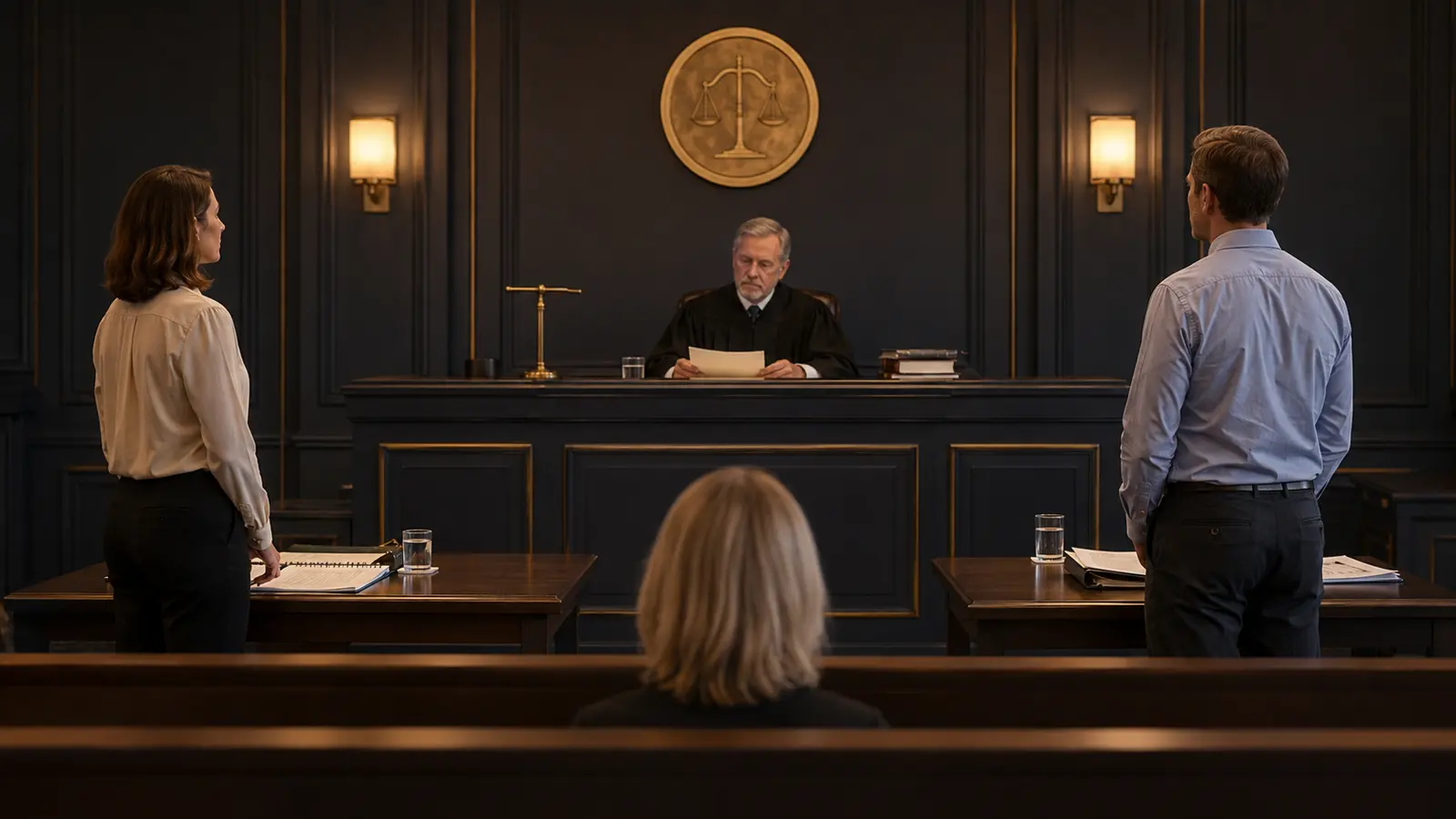
Arrive early with identification, case papers, exhibits, and witness information. Follow courthouse security rules and dress neatly. When the case is called, address the judge respectfully, answer the question asked, and avoid interrupting.
The plaintiff usually presents first. The defendant may then respond, present evidence, or make a counterclaim if permitted. The judge may ask direct questions. Admit facts that are true, even if inconvenient; credibility matters. If the other side says something inaccurate, take a note and respond when given the opportunity.
Some courts announce a decision immediately; others mail or post it later. A settlement may still be possible on the hearing date, but understand the written terms before agreeing.
If You Are the Defendant
Do not ignore court papers. Read the claim, hearing date, response requirements, and service information immediately. Missing a deadline or hearing can lead to a default judgment. Verify whether the papers are genuine by using the court’s official contact information rather than a phone number supplied in an unexpected message.
Gather defenses and evidence using the same structured process. Possible issues may include payment, lack of agreement, plaintiff’s failure to perform, wrong defendant, expired limitations period, incorrect venue, failure to reduce damages, or a counterclaim. The facts and governing law determine whether a defense applies.
If the claim involves significant money, injury, property ownership, immigration consequences, professional licensing, bankruptcy, or another complex issue, consult a qualified lawyer or legal-aid organization promptly. ChirBlog’s guides on when to hire a lawyer and choosing an attorney provide general context.
Winning a Judgment Is Not the Same as Collecting
A judgment declares who owes money, but the court may not automatically collect it. The winning party may need to wait through an appeal period, request payment, record the judgment, identify assets, or use authorized collection procedures. Exemptions protect certain income and property. Interest and renewal rules vary.
Never seize property, withdraw money, threaten the debtor, contact an employer improperly, or use a collection method not authorized by law. Official court self-help materials explain available procedures such as payment orders, liens, levies, or garnishment where permitted. A voluntary payment plan may be more efficient than enforcement.
If the judgment is paid, file any required acknowledgment of satisfaction. Keep proof of payment and the filed document.

Appeals, Motions, and Post-Judgment Deadlines
Appeal rights in small claims cases are unusually jurisdiction-specific. In some places, only a defendant may appeal an adverse small claims judgment; in others, both parties have options. The appeal may be a new trial or a review for legal error. Deadlines can be very short.
A party who missed a hearing may have a procedure to ask that a default judgment be vacated, but valid grounds and a deadline apply. Clerical corrections, reconsideration, and installment-payment requests also follow local rules. Read the notice of judgment as soon as it arrives.
Common Small Claims Mistakes
- Filing after the limitations period.
- Choosing the wrong court or county.
- Naming a trade name instead of the responsible legal entity.
- Requesting a remedy the court cannot order.
- Failing to serve papers correctly or on time.
- Bringing screenshots without dates, context, or authentication.
- Using estimates without proving actual or reasonable damages.
- Arguing about character rather than the elements of the claim.
- Ignoring a counterclaim or the other side’s strongest evidence.
- Assuming a judgment will be collected automatically.
A Final Pre-Hearing Checklist
- Confirm the court, date, time, room, and whether the hearing is remote or in person.
- Review the current local small claims rules and standing orders.
- Bring filed pleadings and proof of service.
- Prepare labeled exhibits and the required number of copies.
- Arrange witnesses and properly issued subpoenas, if needed.
- Create a one-page timeline and damages calculation.
- Prepare a concise opening explanation and response to the main defense.
- Bring proof of settlement efforts and payments already made.
- Plan transportation, security screening, technology, and childcare.
- Know what exact judgment or dismissal you are asking the court to enter.
Frequently Asked Questions
Do I need a lawyer in small claims court?
Many people represent themselves, but attorney rules differ. Some jurisdictions restrict attorneys from appearing at the initial small claims hearing; others allow them. Legal advice can still be valuable before filing, especially for deadlines, business defendants, counterclaims, or collection risk.
How much can I sue for?
There is no single national limit. Check the official court website for the state, county, and court type. The limit may differ for individuals and businesses or for different local courts.
Can I sue for emotional distress?
That depends on the available legal claim, proof, and the court’s authority. Some small claims courts only award certain monetary damages and may not hear complex claims. Consult local rules or a lawyer rather than assuming the remedy is available.
What if the defendant does not appear?
The judge may consider a default judgment only if service and other requirements are satisfied. The plaintiff must still prove the claim and damages. Local procedures control.
Can text messages and emails be evidence?
They may be, but relevance, completeness, authentication, and court presentation rules matter. Preserve original records, show dates and participants, and bring copies in the format required by the court.
Can a minor file a small claims case?
Age rules vary. A parent, guardian, guardian ad litem, or other representative may be required. A minor should use the official court’s procedure and adult assistance rather than attempting to file as an adult.
Official Sources and Further Reading
- USA.gov: Federal, State, Territory, County, and Municipal Courts
- California Courts: The Small Claims Process
- California Courts: Fill Out Forms to Start a Small Claims Case
- New York Courts: Small Claims
- New York City Small Claims Court: Starting a Case
- USA.gov: Find Affordable Legal Aid
This article is for general educational information and is not legal advice. Small claims limits, filing rules, statutes of limitation, service methods, evidence requirements, attorney rules, appeal rights, and collection procedures vary by jurisdiction and can change. Review the official instructions for the exact court and consult a licensed attorney or authorized legal-aid provider about a specific dispute.