The Ultimate Guide to Secured Credit Cards: Build and Rebuild Your Credit Score
In the modern financial world, consumers frequently find themselves trapped in a maddening, seemingly inescapable paradox: You need a good credit score to get a credit card, but you need a credit card to build a good credit score.
If you are an 18-year-old student just entering the financial system, a recent immigrant with no financial footprint in your new country, or someone recovering from a painful bankruptcy or a series of missed payments, traditional banks will likely view you as a high-risk liability. When you apply for a standard, unsecured credit card, the algorithm swiftly and mercilessly generates a denial letter. You are left standing outside the gates of the financial system, unable to secure an auto loan, rent a premium apartment, or even finance a cell phone without paying exorbitant deposits.
Fortunately, the banking industry created a specific master key designed exclusively to unlock these gates: The Secured Credit Card.
A secured credit card is not a punitive financial product; it is a powerful, highly strategic stepping stone. It is a temporary tool designed to prove your financial trustworthiness to the major credit bureaus. This comprehensive guide will demystify exactly how secured credit cards operate, how to use them to manipulate the credit scoring algorithm in your favor, the critical differences between secured and prepaid cards, and the exact roadmap you must follow to graduate to premium, unsecured credit.
1. What Exactly is a Secured Credit Card? (The Core Mechanics)
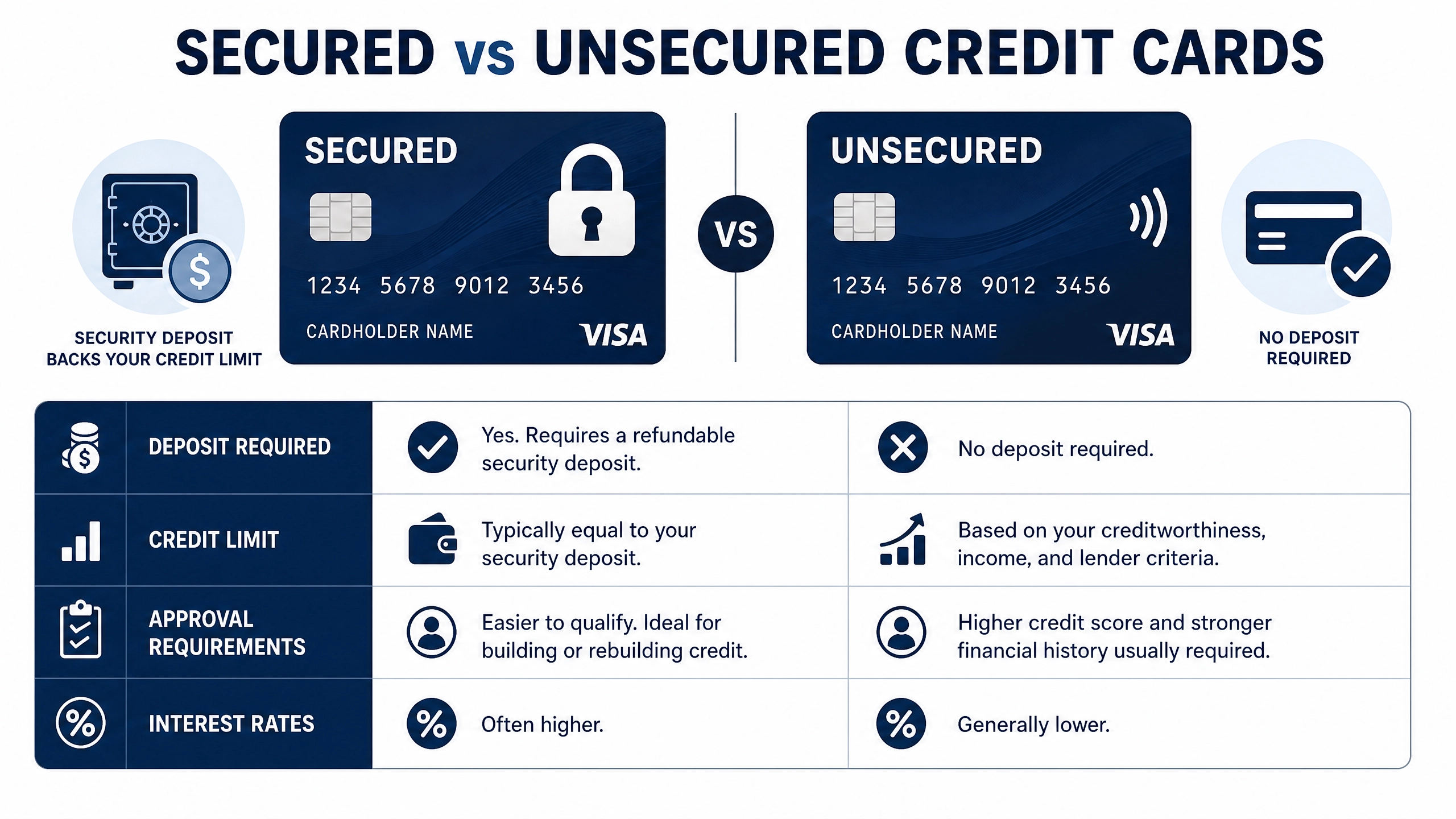
To understand a secured credit card, you must understand how a bank views risk. When a bank issues a standard (unsecured) credit card with a $5,000 limit, they are lending you their own money based purely on their trust in your historical financial behavior. If you have no history, or a bad history, they have no reason to trust you.
A secured credit card eliminates the bank’s risk completely through the mechanism of a Cash Security Deposit.
The Collateral Deposit
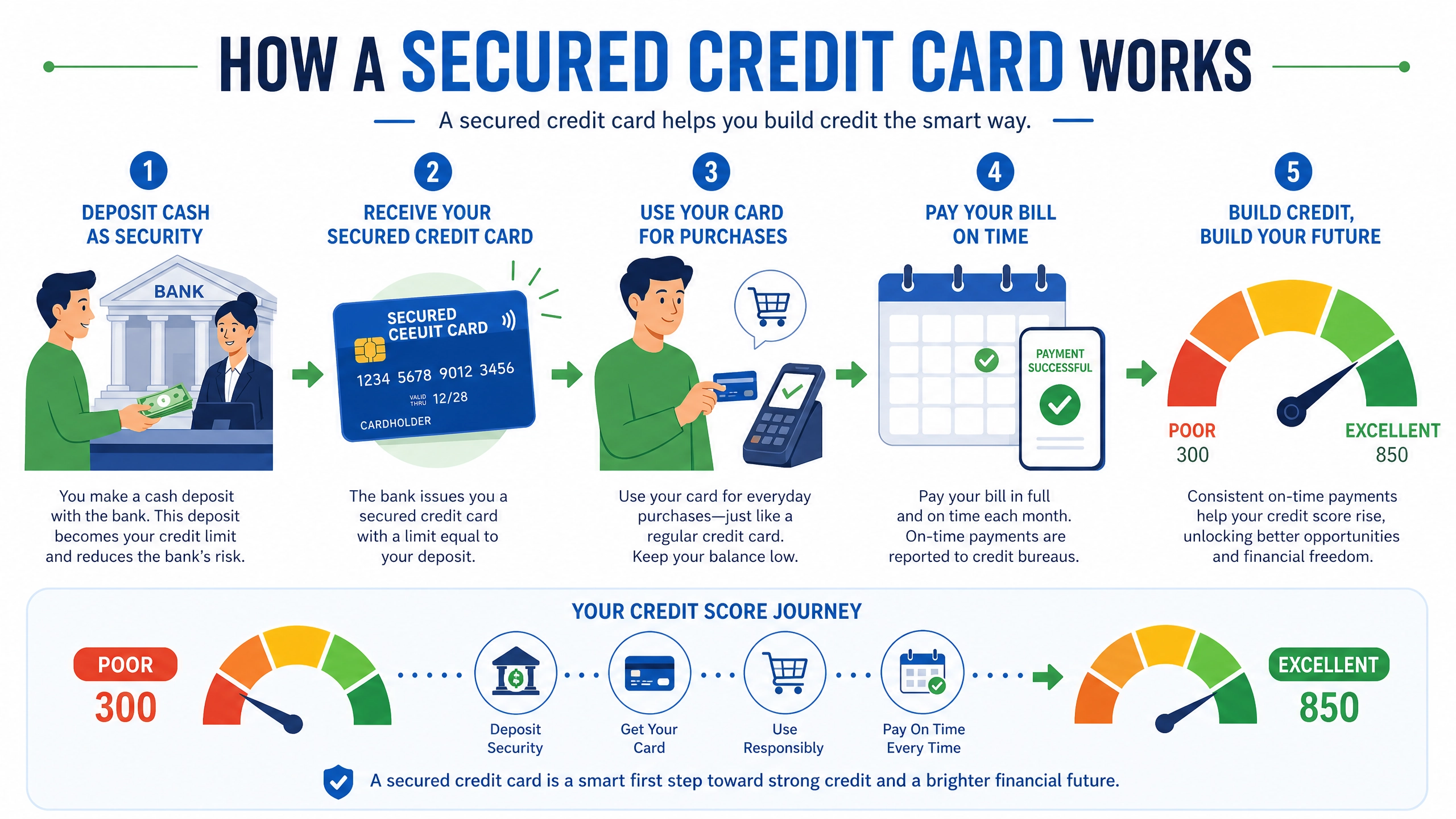
When you are approved for a secured credit card, the bank requires you to deposit your own cash into a locked account before they issue the physical card. In almost all cases, your credit limit is exactly equal to your deposit.
- Example: You transfer $300 of your own money to the bank. The bank then mails you a credit card with a $300 credit limit.
Why Use a Credit Card If It Is My Own Money?
This is the most common question beginners ask. It feels counterintuitive. If you already have the $300, why not just spend it directly from your checking account using a debit card?
The answer lies in reporting. When you swipe a debit card, that transaction is invisible to the credit bureaus (Experian, Equifax, and TransUnion). It does absolutely nothing to build your credit score. When you swipe a secured credit card, you are technically borrowing the bank’s money for a few weeks, and your deposit merely sits in the background as a guarantee. Every month you pay your bill, the bank reports that responsible behavior to the credit bureaus, actively building your credit profile.
Secured Cards vs. Prepaid Debit Cards (Clearing the Confusion)
Millions of consumers confuse secured credit cards with prepaid debit cards (like Visa Vanilla or standard store gift cards). They are entirely different financial instruments.
- A Prepaid Card: You load $100 onto the card. When you buy a $40 shirt, the card balance drops to $60. Once it hits zero, the card is dead. It does not build credit.
- A Secured Credit Card: You deposit $300 as collateral. You receive a credit card. When you buy a $40 shirt, your collateral deposit remains untouched at $300. You now owe the bank a $40 credit card bill at the end of the month. This actively builds your credit score.
2. The Algorithm: How a Secured Card Builds Your Score
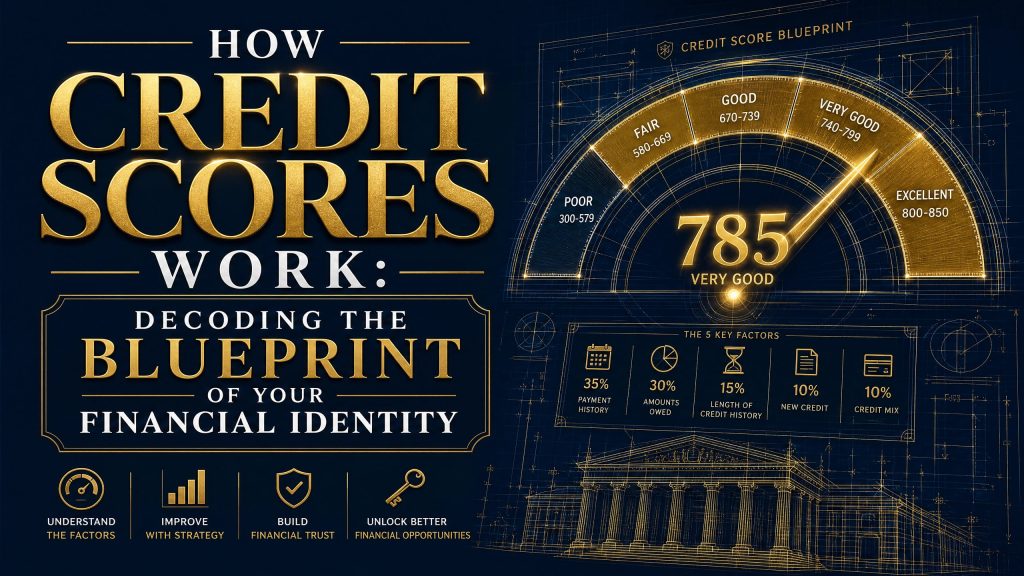
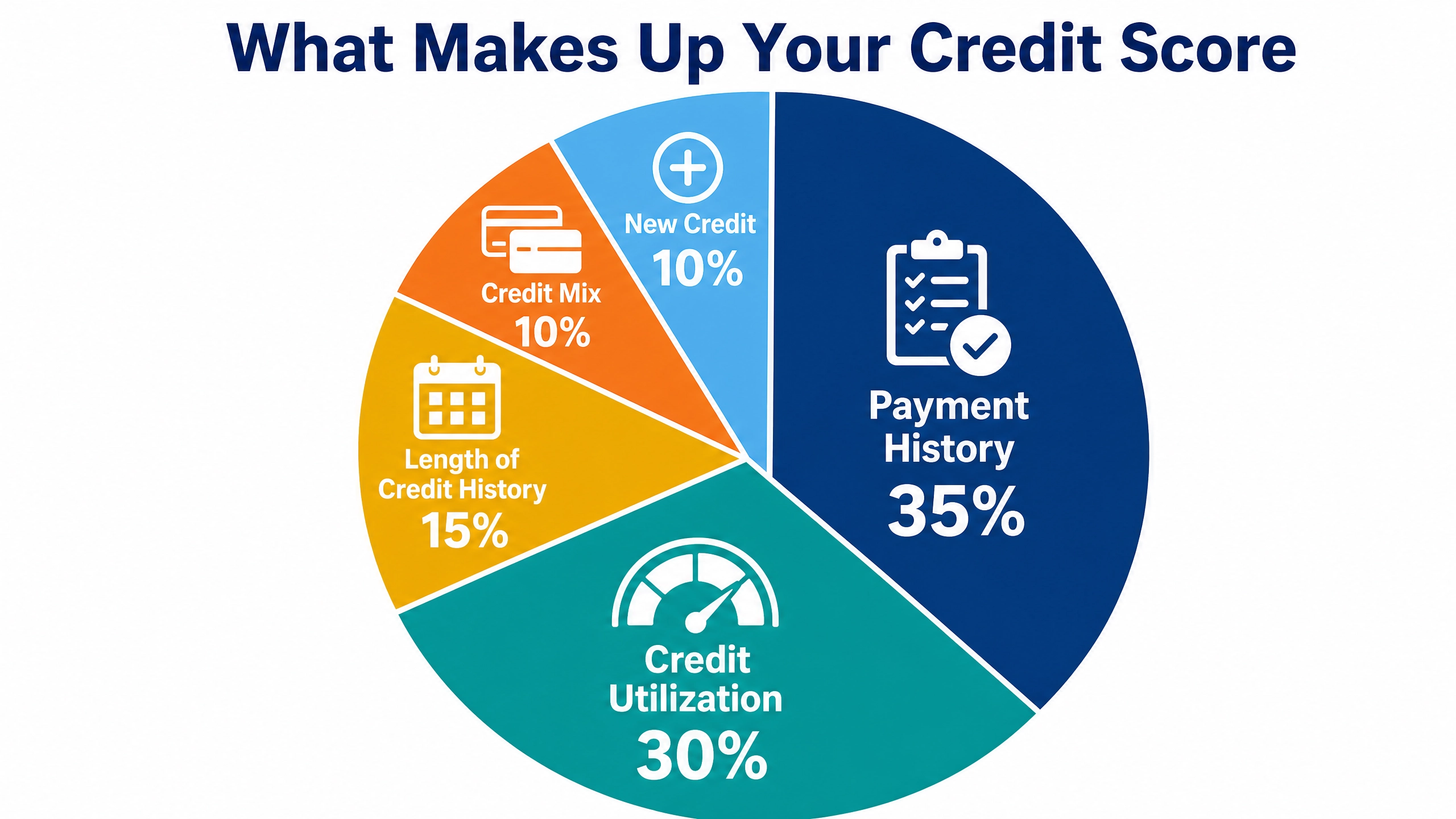
Your FICO credit score—the mathematical model used by 90% of top lenders—is calculated using five specific categories. A secured credit card allows you to directly positively influence the two most massive categories, which together make up 65% of your total score.
Mastering Payment History (35% of Your Score)
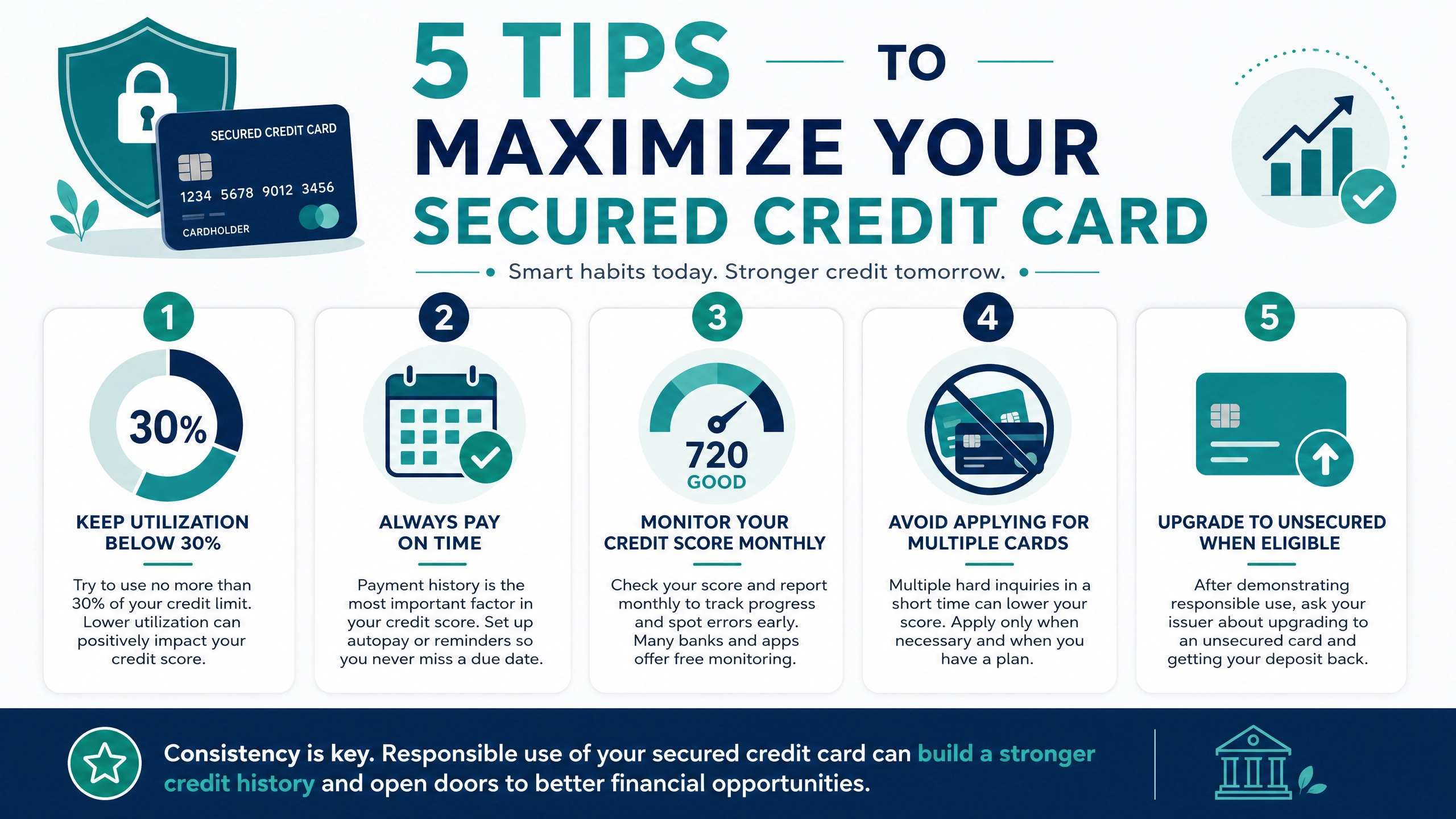
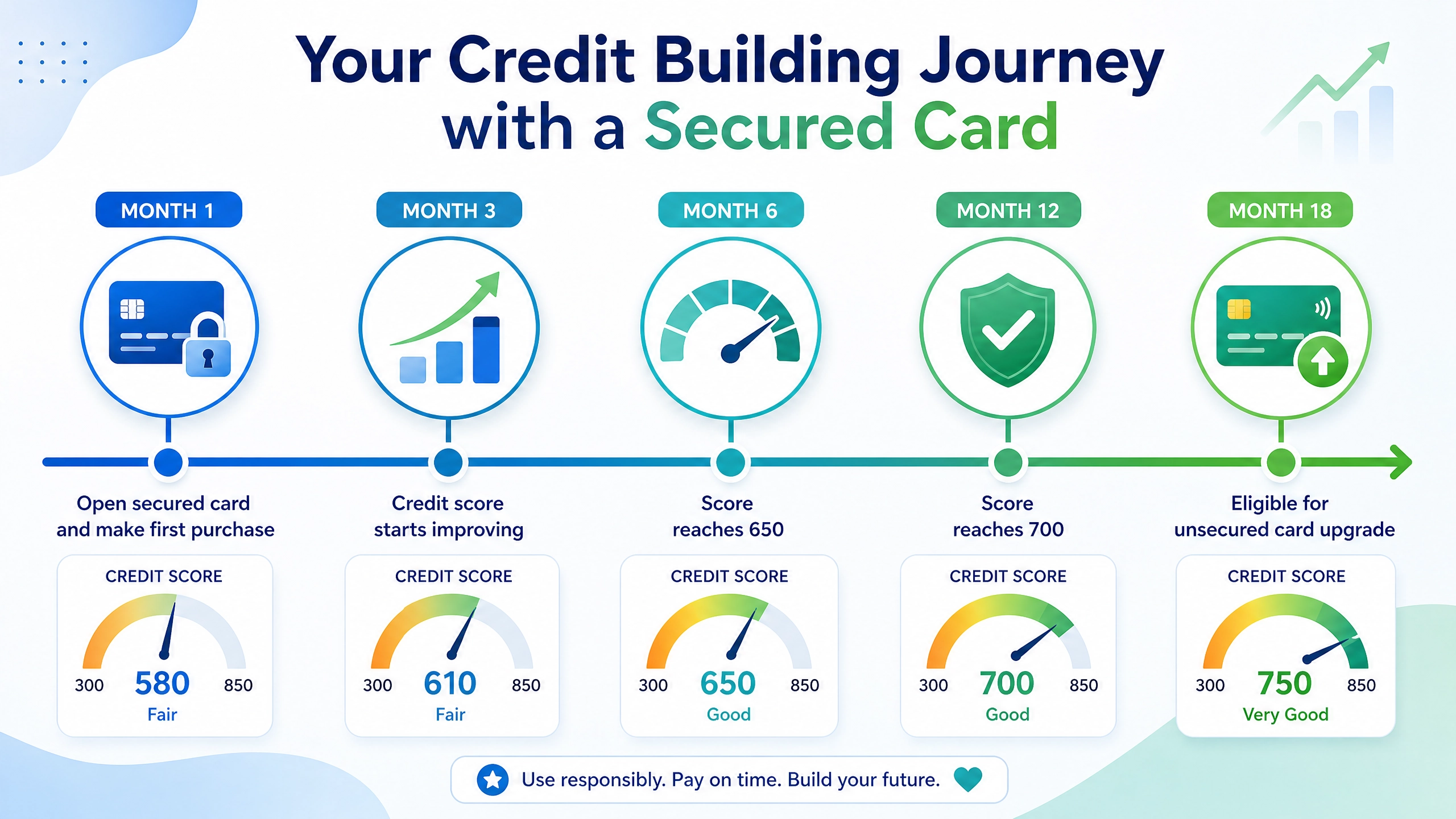
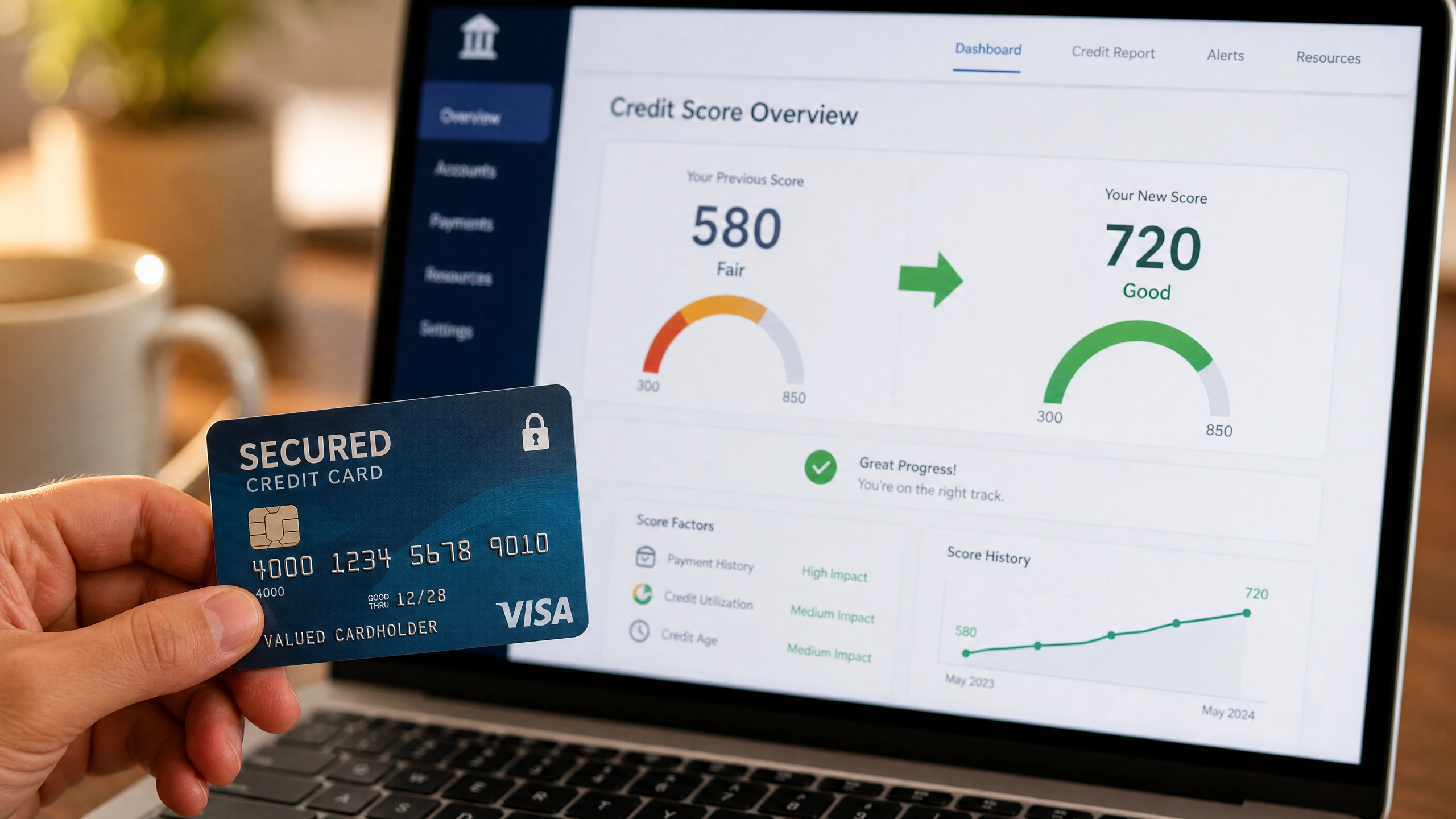
Payment history is the undisputed heavyweight champion of your credit score. Lenders care more about this single metric than anything else. By using a secured card to buy a $20 tank of gas once a month, and paying that $20 bill on time and in full every single month, you are feeding the algorithm exactly what it wants: a flawless track record of reliability. After six months of consecutive on-time payments, your score will begin a steady, upward trajectory.
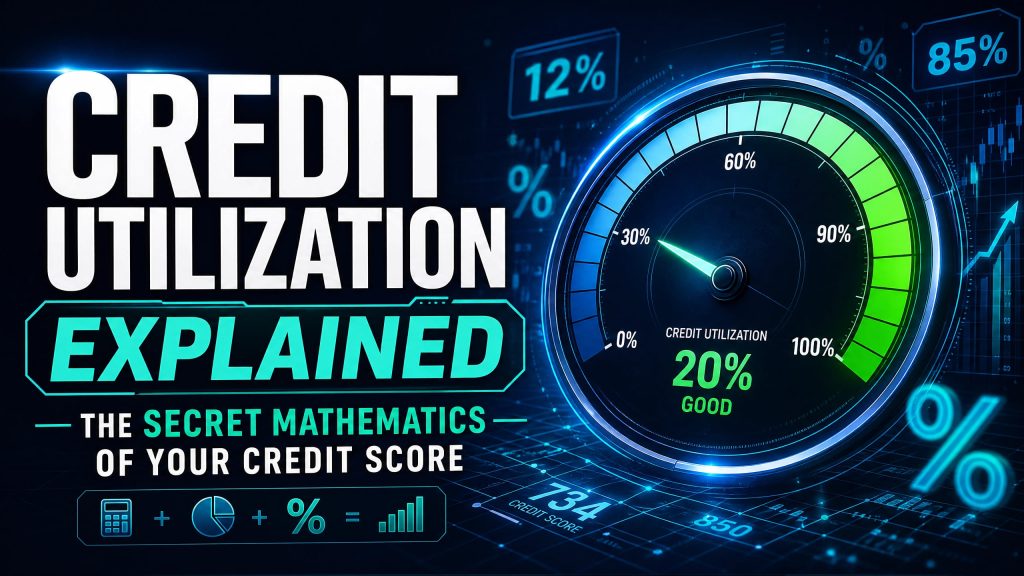
Manipulating the Credit Utilization Ratio (30% of Your Score)
Your Credit Utilization Ratio (CUR) measures how much of your available credit you are actively using. If you have a secured card with a $200 limit, and you spend $180 on it, your utilization is a massive 90%. The credit algorithm views this as financial distress and will heavily penalize your score, even if you pay the bill on time.
The Golden Rule of Secured Cards: You must keep your utilization ratio below 10%. If your limit is $200, you should never let the statement balance exceed $20. Use the card to pay for a single, small recurring subscription (like Netflix or Spotify), set the card to auto-pay from your checking account, and put the physical card in a drawer. This guarantees a microscopic utilization ratio, triggering maximum point gains.
3. The Lifecycle of a Secured Card: The Road to Graduation
A secured credit card is not designed to stay in your wallet forever. It has a specific lifecycle. The ultimate goal of this financial product is Graduation.
Step 1: The Application and Funding
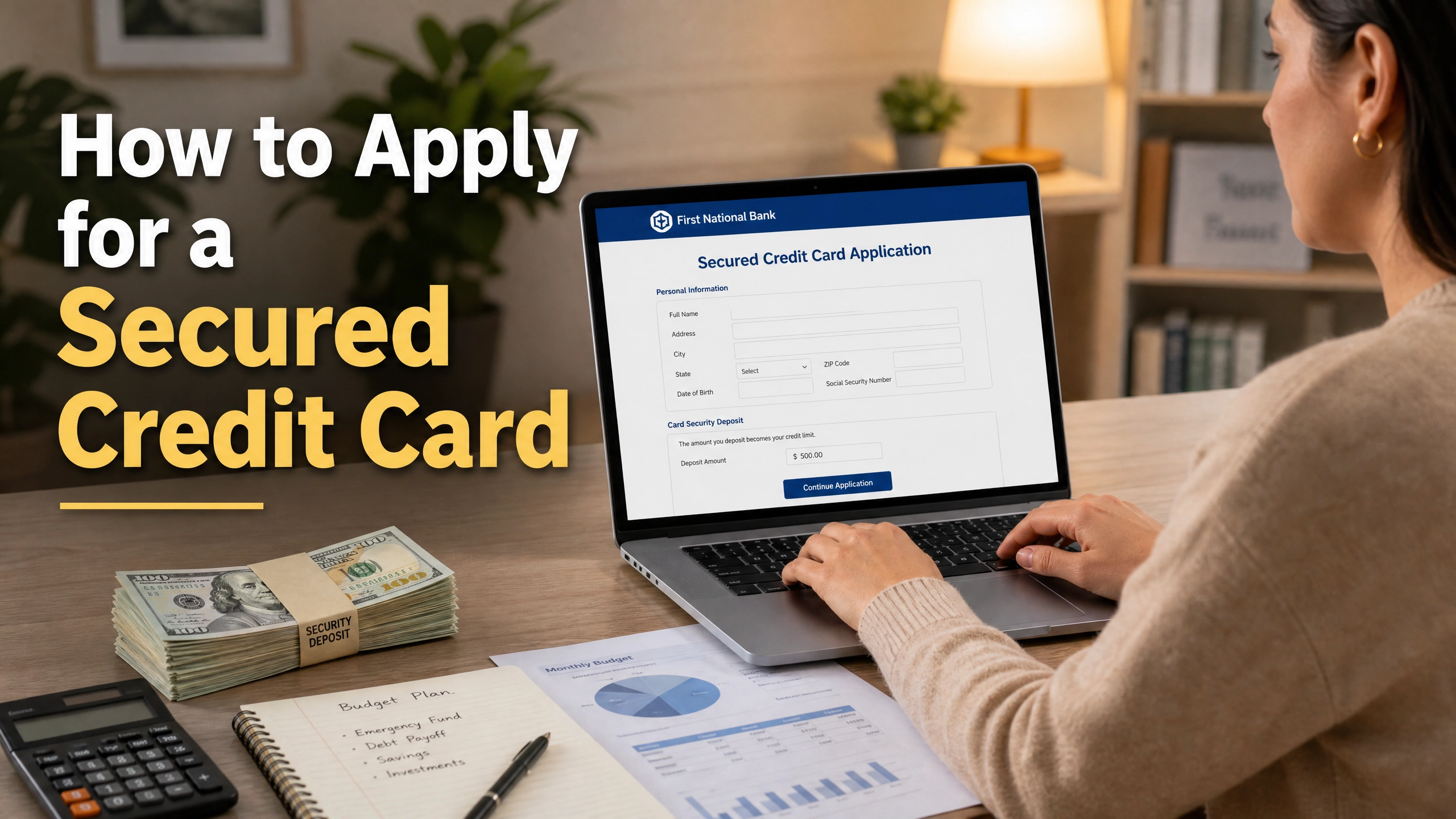
You apply online through a reputable bank (such as Discover, Capital One, or Citi). Because you are providing a cash deposit, approval odds are phenomenally high, even with a poor credit score. Upon approval, you electronically transfer your security deposit (usually ranging from $200 to $2,500) to the issuing bank.
Step 2: The Proving Ground (Months 1 through 7)
The physical card arrives in the mail. It looks and functions exactly like a normal credit card; merchants, waiters, and cashiers cannot tell it is a secured card. During this period, your singular mission is to make small purchases and pay the statement balance in full before the due date. You are proving your reliability.
Step 3: Account Review and Graduation (Month 8 and Beyond)
This is the pivotal moment. Reputable banks will automatically review your account after 7 to 8 months of perfect payment history. Once the bank’s internal algorithm determines you are no longer a high-risk customer, they will “Graduate” your account.
Graduation means the bank officially transitions your account from a secured card to a standard, unsecured credit card. Two massive financial events happen simultaneously on the day you graduate:
- Your Deposit is Refunded: The bank unlocks your initial $300 deposit and mails it back to you via check or direct deposit.
- Your Limit is Increased: The bank often raises your credit limit (e.g., from your initial $300 up to $1,500) without requiring any additional deposits.
You now possess a powerful, unsecured credit card, and your credit score has been successfully rehabilitated.

4. Avoiding the Traps: Predatory Subprime Unsecured Cards
When individuals have bad credit, they are often targeted by predatory, subprime credit card issuers. These companies offer “Unsecured Cards for Bad Credit” via aggressive mail campaigns. You must avoid these at all costs.
The “Fee Harvester” Danger
These predatory unsecured cards do not require a security deposit, which makes them seem appealing. However, they trap the consumer in a web of exorbitant junk fees. A typical predatory card might offer a tiny $300 credit limit, but they charge a $99 annual fee, a $10 monthly “maintenance fee,” and a $50 account “setup fee.” Before you even swipe the card for the first time, you already owe the bank $159.
Why Secured is Mathematically Superior
With a legitimate secured credit card from a major bank, your initial deposit is fully refundable. It is your money, acting as collateral, and it will be returned to you. The fees on predatory unsecured cards are non-refundable expenses that vanish into the bank’s profit margins. It is always mathematically wiser to tie up $200 in a refundable deposit than to burn $150 on predatory annual fees.
5. What Features to Look For in the Best Secured Cards
Not all secured cards are created equal. When researching which card to apply for, you must filter your options based on the following criteria to ensure you are setting yourself up for long-term success.
1. Absolute Zero Annual Fees
The goal is to rebuild your credit for free. Top-tier secured cards from major institutions charge a $0 annual fee. If a bank is asking you to provide a cash deposit and pay them a yearly fee for the privilege of holding your money, look elsewhere.
2. A Clear, Documented Path to Graduation
Before applying, read the bank’s terms regarding graduation. Some lower-tier banks will keep your money hostage indefinitely, requiring you to cancel the card entirely (which damages your credit score) just to get your deposit back. Choose banks like Discover or Capital One, which publicly advertise their automated timeline for reviewing accounts for unsecured graduation.
3. Earning Rewards (Cashback)
Historically, secured cards offered absolutely zero perks. Today, the market is competitive. Elite secured cards (like the Discover it® Secured Credit Card) actually offer cash back on your purchases (e.g., 2% back at gas stations and restaurants). Earning cash rewards while rebuilding your credit score is the ultimate financial win-win.
4. Reporting to All Three Bureaus
Your secured card is useless if the bank does not report your good behavior. Ensure the issuer explicitly states that they report your payment history and utilization metrics to all three major credit bureaus: Experian, Equifax, and TransUnion.
6. Comparative Matrix: Secured Cards vs. Other Financial Tools
Use this reference matrix to understand exactly why a secured credit card is the superior tool for credit rehabilitation compared to other alternatives.
| Financial Instrument | Requires Deposit? | Builds Credit Score? | Risk of Hidden Fees | Best Use Case |
|---|---|---|---|---|
| Secured Credit Card | Yes (Fully Refundable) | Yes (High Impact) | Low (If no annual fee) | Rebuilding bad credit, establishing first credit score. |
| Prepaid Debit Card | Yes (Loaded Funds) | No | Medium (Reload fees) | Budgeting cash, giving allowances to teenagers. |
| Predatory Subprime Card | No | Yes | Extremely High | Strictly avoid; used by predatory lenders to trap consumers. |
| Authorized User Status | No | Yes (Piggybacking) | None | Leveraging a parent’s or spouse’s excellent credit history. |
| Credit-Builder Loan | No (Forces savings) | Yes (Installment history) | Low (Minor interest paid) | Building a diverse credit mix without needing a physical card. |
7. The Golden Rules for Maximizing Your Secured Card Strategy
Owning a secured card does not automatically fix your credit; how you use it dictates your success. Follow these three unbreakable rules to guarantee a rapid score increase.
Rule 1: Never Miss a Payment (Set Up Auto-Pay)
A single 30-day late payment will absolutely devastate a recovering credit score, instantly wiping out months of hard work. Do not rely on your memory to pay the bill. The moment you activate the card, log into the bank’s mobile app and configure “Auto-Pay for the Full Statement Balance.” This guarantees you will never be late and you will never pay a single penny in interest charges.
Rule 2: Treat It Like a Debit Card
A secured credit card is not a loan to buy things you cannot afford. It is a highly sensitive instrument used to generate positive data points on your credit report. If you do not have the cash sitting in your checking account today, you cannot swipe the secured card. Treat it as a strict extension of your existing liquid cash.
Rule 3: Do Not Apply for Multiple Cards Simultaneously
When you are eager to rebuild your credit, you might be tempted to apply for three or four secured cards at once to “speed up” the process. This will backfire catastrophically. Every application triggers a “hard inquiry” on your credit report. Multiple hard inquiries within a short period signal desperation to the algorithm, causing your score to drop further. Open exactly one high-quality secured card, nurture it patiently, and let time do the heavy lifting.
8. Frequently Asked Questions (FAQ)
Will my secured card have the word “Secured” printed on it?
No. Your physical credit card will look completely identical to a standard, premium credit card. Whether you are handing it to a waiter at a restaurant or using it to book a hotel room, absolutely no one will know that it is backed by a cash deposit. It provides total financial dignity.
Can I be denied for a secured credit card?
Yes, though it is rare. Because you are providing a cash deposit, banks overlook bad credit, low credit, and past collections. However, banks are required by federal law to verify your identity. If you cannot provide a valid Social Security Number, proof of address, or if you have an active, unresolved bankruptcy currently in court, the bank may deny the application.
If I close the card, what happens to my deposit?
If you decide you no longer want the card, you can call the bank to close the account. As long as your final balance is paid in full (you owe the bank $0), the bank will issue a full refund of your original security deposit, usually within 1 to 2 billing cycles. If you have an outstanding balance when you close the account, the bank will use your deposit to pay off the debt, and mail you whatever cash remains.
Does applying for a secured card hurt my credit score?
Yes, but the damage is microscopic and temporary. Applying triggers a standard “hard inquiry,” which typically drops your score by a negligible 2 to 5 points. However, within a few months of responsible use, the positive payment history generated by the secured card will far outweigh the initial tiny drop from the inquiry.
Author’s Note: The Stepping Stone to Financial Freedom
Rebuilding a damaged credit score, or starting from scratch in a complex financial system, can feel like a humiliating and exhausting uphill battle. Receiving denial letters from banks chips away at your confidence and restricts your freedom of movement in the modern economy.
It is vital to reframe how you view a secured credit card. It is not a punishment for past mistakes; it is a meticulously designed financial reset button.
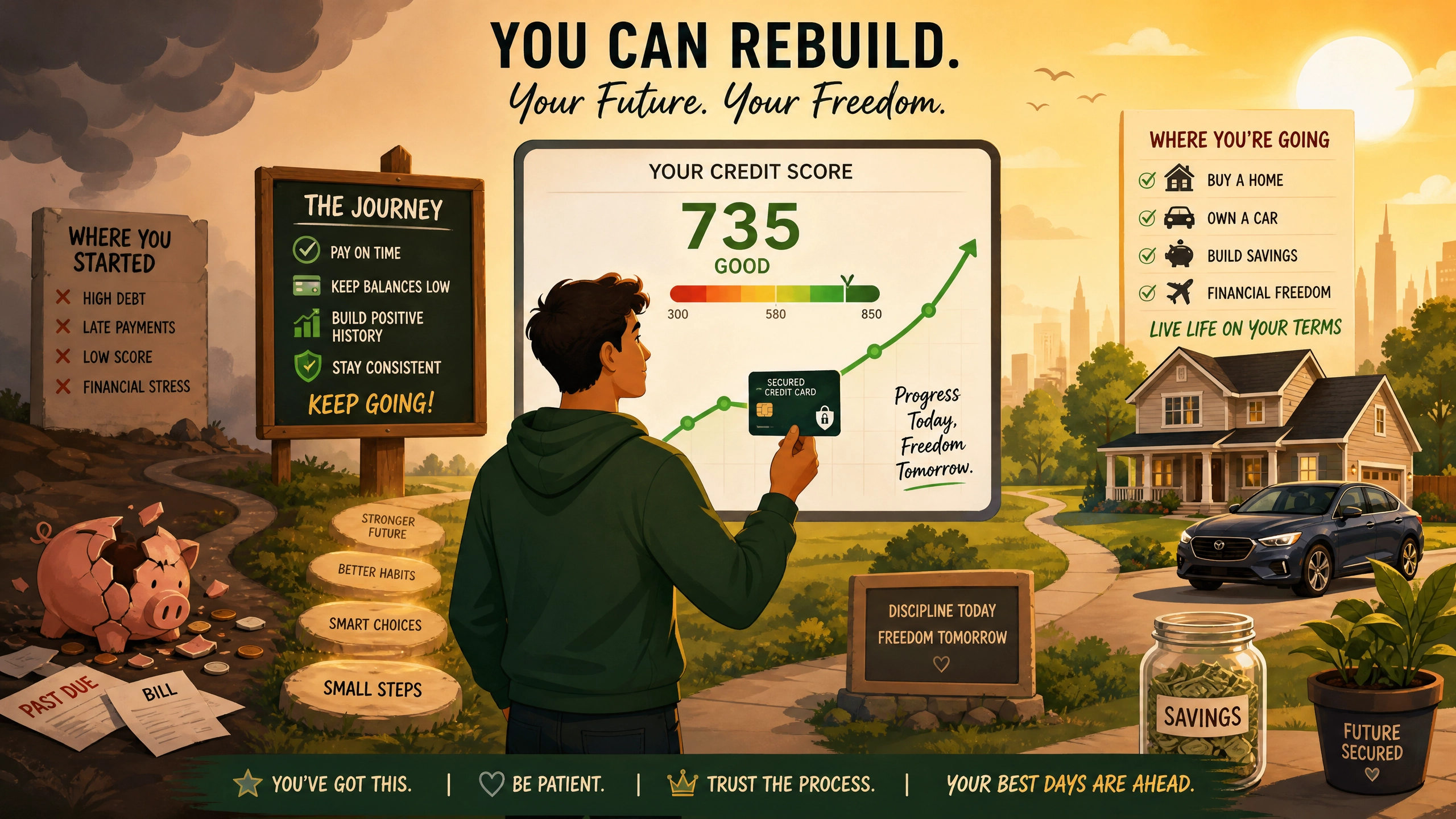
Putting down a $200 or $300 deposit requires a minor, temporary sacrifice of capital, but the Return on Investment (ROI) is staggering. That small deposit generates the positive data points required to push your FICO score into the “Good” or “Excellent” tiers. Once you achieve those tiers, the gates swing wide open. You will save tens of thousands of dollars in interest over your lifetime on auto loans and mortgages, you will gain access to premium travel rewards cards, and you will navigate the financial world with absolute confidence.
Fund your deposit, automate your payments, keep your utilization microscopic, and allow the algorithm to rebuild your financial reputation. The path to a 750+ credit score starts with a single, secured step.