Landlord vs. Tenant: Understanding Your Legal Rights
The relationship between a landlord and a tenant is built around a simple exchange: the landlord provides a property that can be occupied, and the tenant pays rent to use it. In practice, however, rental relationships involve leases, deposits, repairs, privacy, inspections, discrimination protections, and eviction procedures.
Many disagreements begin because one party does not understand what the lease requires or what local law allows. A tenant may believe the landlord must repair every problem immediately, while a landlord may assume they can enter the property whenever necessary. Neither assumption is always correct.
Landlord-tenant laws in the United States vary by state, county, and city. Federal laws also apply in areas such as housing discrimination. Therefore, the rights described in this guide are general principles rather than rules that apply identically in every location.
Understanding the Landlord-Tenant Relationship

A landlord is a person or organization that owns or manages a property offered for rent. A tenant is someone who receives the right to occupy that property under a rental agreement.
The lease is usually the main document governing the relationship. It should explain:
- The rent amount and due date
- The length of the tenancy
- Security-deposit requirements
- Utility responsibilities
- Maintenance obligations
- Rules about guests and pets
- Renewal and termination procedures
- Late fees and other charges
A lease does not necessarily override local law. A provision may be unenforceable if it conflicts with a law that protects tenants or regulates rental housing.
Landlord and Tenant Responsibilities at a Glance
| Rental issue | Typical landlord responsibility | Typical tenant responsibility |
|---|---|---|
| Rent | Provide accurate payment terms and records | Pay the agreed rent on time |
| Repairs | Address legally required maintenance and safety issues | Report problems promptly |
| Property condition | Provide the property in the legally required condition | Avoid causing unreasonable damage |
| Privacy | Follow applicable entry and notice rules | Allow lawful access when required |
| Utilities | Provide utilities assigned to the landlord | Pay utilities assigned to the tenant |
| Lease rules | Apply lawful terms consistently | Follow lawful lease conditions |
| Move-out | Provide required deposit documentation | Return the property in an appropriate condition |
| Eviction | Follow the formal legal process | Respond to notices and court documents |
The exact allocation of duties depends on the lease and applicable law.
The Importance of Reading the Lease
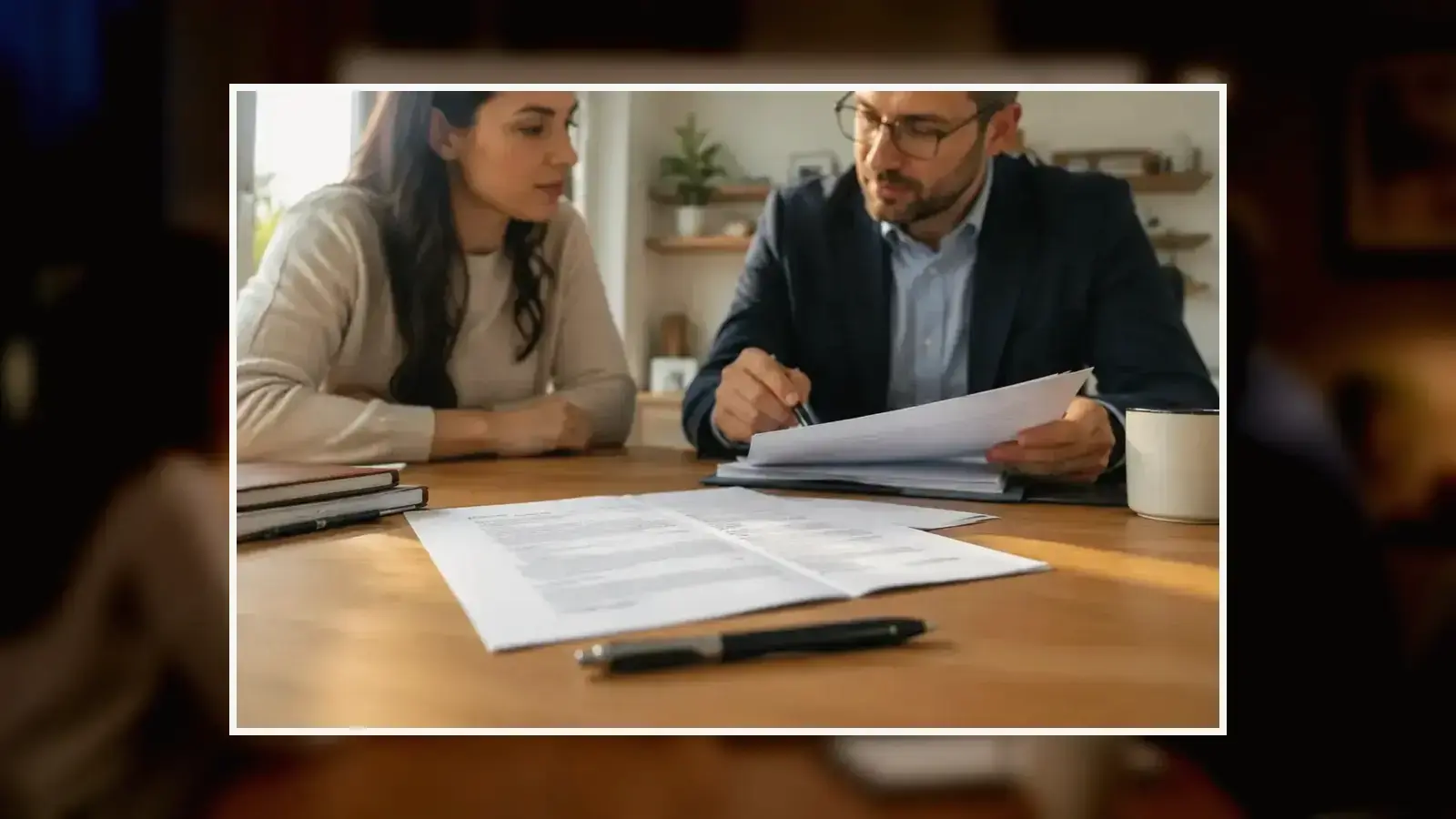
Both landlords and tenants should read the complete lease before signing it. Verbal promises may be difficult to prove, especially when the lease says that the written document represents the entire agreement.
Tenants should review the lease for unusual fees, automatic renewals, early-termination penalties, maintenance duties, and restrictions on how the property can be used. Landlords should make sure the agreement clearly describes rent, due dates, deposits, occupancy rules, and procedures for reporting problems.
Questions Tenants Should Ask
Before signing, a prospective tenant should ask:
- Which utilities are included?
- Is renters insurance required?
- How are maintenance requests submitted?
- When can the landlord enter the property?
- Are there restrictions on guests?
- How does lease renewal work?
- What charges may be deducted from the deposit?
- What notice is required before moving out?
Any important promise—such as replacing an appliance, repainting a room, or repairing damage—should be included in writing.
Questions Landlords Should Address
Landlords should clearly explain:
- When rent is considered late
- Which payment methods are accepted
- Who manages emergency repairs
- Whether parking is included
- How tenants should report damage
- Which changes require permission
- How official notices will be delivered
Clear terms can prevent minor misunderstandings from becoming expensive legal disputes.
A Landlord’s Fundamental Rights

Landlords have the right to receive rent and expect tenants to comply with lawful lease terms. They may also take reasonable steps to protect the property and recover compensation for unpaid rent or tenant-caused damage.
The Right to Collect Rent
Tenants are generally required to pay rent according to the lease. If payment is late, the landlord may be able to charge an authorized late fee or begin a formal notice process.
The landlord should keep accurate records of payments, fees, credits, and balances. Applying charges inconsistently or adding fees not authorized by the lease or law can create a dispute.
The Right to Enforce Lease Rules
A landlord may enforce lawful rules involving:
- Unauthorized occupants
- Pets
- Smoking
- Noise
- Parking
- Property alterations
- Illegal activity
- Damage to the unit
Rules should be applied consistently. Selective enforcement based on a protected characteristic may raise discrimination concerns.
The Right to Access the Property
A landlord may need access for inspections, repairs, emergencies, maintenance, or to show the property to prospective tenants or buyers. However, access rights are often limited by state law and the lease.
Except in emergencies or other legally recognized circumstances, landlords may need to provide advance notice and enter at a reasonable time. The required amount of notice differs by jurisdiction.
A landlord should not use repeated inspections or unnecessary entry to harass a tenant.
A Landlord’s Fundamental Responsibilities

Ownership gives landlords important rights, but it also creates legal responsibilities.
Providing a Habitable Property
Rental housing generally must meet applicable health and safety requirements. Depending on local law, this may involve:
- Functional plumbing
- Safe electrical systems
- Weather protection
- Working heating where required
- Reasonable security
- Pest control in certain circumstances
- Compliance with building and fire codes
The exact standards vary by location and the type of housing.
Completing Necessary Repairs
Landlords should provide a clear method for reporting maintenance problems. Tenants should report serious issues promptly and retain evidence of the request.
HUD advises tenants in covered housing programs to document maintenance requests and keep records of communications. It recommends beginning with the landlord or property manager and escalating unresolved concerns through the appropriate housing authority or HUD office when applicable.
A landlord should not ignore a problem simply because the tenant reported it informally. At the same time, a tenant should provide enough information and reasonable access for the repair to be investigated.
Following the Legal Eviction Process
A landlord cannot usually remove a tenant simply by changing the locks, taking the tenant’s belongings, or shutting off essential utilities. Eviction normally requires notice and a court process governed by local law.
The landlord may need to prove a legally recognized reason, such as unpaid rent, a serious lease violation, or expiration of the tenancy. Required procedures and available defenses differ by jurisdiction.
A Tenant’s Fundamental Rights

Tenants receive more than physical access to a property. They may also have rights involving habitability, privacy, fair treatment, security deposits, and legal process.
The Right to a Livable Home
Tenants may have the right to housing that satisfies basic health and safety standards. When a serious condition develops, the tenant should notify the landlord in writing and retain a copy.
The notice should identify:
- The specific problem
- When it began
- How it affects the property
- Any immediate safety concern
- The requested action
- Relevant photographs or videos
Tenants should avoid making repairs, deducting costs from rent, or withholding payment without first checking local law. Remedies that are permitted in one state may be restricted in another.
The Right to Privacy
Tenants generally have a right to occupy the property without unreasonable interference. This does not mean that a landlord can never enter. It means access should comply with applicable notice requirements, lease terms, and legitimate purposes.
A tenant should not prevent lawful access required for necessary repairs or inspections. Both parties benefit when access requests are made in writing and scheduled clearly.
The Right to Fair Housing
The federal Fair Housing Act prohibits housing discrimination based on race, color, national origin, religion, sex, familial status, and disability. The protections apply to many activities involving renting, buying, housing assistance, and other housing-related services.
Examples of potentially discriminatory conduct may include:
- Refusing to rent based on a protected characteristic
- Applying different rental conditions to similar applicants
- Falsely claiming that a property is unavailable
- Using discriminatory advertisements
- Harassing a tenant
- Refusing a legally required reasonable accommodation
Additional protections may exist under state and local laws.
Individuals who believe they experienced rental discrimination may be able to file a complaint with HUD or seek other legal assistance. USAGov identifies HUD as a federal complaint option for qualifying housing-discrimination concerns.
A Tenant’s Fundamental Responsibilities
Tenants also have responsibilities that help maintain a fair rental relationship.
Paying Rent on Time
Rent should be paid according to the lease. Tenants should keep receipts, confirmation emails, bank records, or other proof of payment.
When a tenant expects difficulty paying, contacting the landlord early may create more options than remaining silent. A landlord might agree to a payment plan, but any arrangement should be documented in writing.
Caring for the Property
Tenants should keep the property reasonably clean, dispose of waste appropriately, avoid deliberate damage, and notify the landlord about problems that could become worse.
Normal wear and tear is generally different from tenant-caused damage. Faded paint or ordinary carpet wear may result from normal use, while broken fixtures or large wall damage may be treated differently. The legal distinction depends on the circumstances and local rules.
Following Lawful Lease Terms
Tenants should comply with lawful rules about occupancy, guests, animals, noise, smoking, parking, and alterations.
A tenant who wants to change a term should ask for written permission rather than relying on an informal conversation.
Security Deposits

Security deposits are among the most common sources of landlord-tenant disputes. State laws may regulate the maximum deposit, where it is held, whether interest is required, the deadline for returning it, and the documentation needed for deductions.
Possible deductions may include:
- Unpaid rent
- Tenant-caused damage
- Missing property
- Cleaning beyond ordinary use
- Other authorized charges
Landlords should avoid treating the deposit as ordinary income or automatically keeping it after move-out. Tenants should not assume the deposit can replace the final month’s rent unless the landlord agrees or local law permits it.
Protecting Both Parties at Move-In and Move-Out
Both sides should document the property’s condition.
A useful condition record includes:
- Dated photographs
- Video of each room
- An inspection checklist
- Notes about existing damage
- Meter readings
- Appliance condition
- Keys and access devices provided
The tenant should send the landlord written notice of any existing damage shortly after moving in. At move-out, the parties may conduct another inspection and compare the results.
Repairs and Maintenance Disputes

When a repair issue arises, communication should be specific and documented.
| Step | Tenant action | Landlord action |
|---|---|---|
| 1 | Report the problem promptly | Confirm receipt |
| 2 | Provide photographs and access details | Assess urgency and responsibility |
| 3 | Keep communication records | Schedule inspection or repair |
| 4 | Send a written follow-up if unresolved | Provide an update |
| 5 | Check local complaint or legal options | Document completion or disagreement |
Emergency issues should be distinguished from routine maintenance. A gas leak, serious electrical danger, flooding, or loss of legally required heating may require urgent action. A cosmetic issue may not justify the same response time.
Tenants should use emergency services when immediate safety is at risk rather than waiting only for an email response.
Eviction Rights and Responsibilities

Eviction is a legal process used to recover possession of rental property. A notice from a landlord is not always the same as a final court order.
A tenant who receives a demand for payment, termination notice, or eviction lawsuit should read it immediately and identify all deadlines. The Consumer Financial Protection Bureau recommends that renters facing eviction act promptly, explore available assistance, and obtain legal help where possible.
Tenants should not ignore court papers even if they believe the landlord is wrong. Failure to respond may allow the case to proceed without their participation.
Landlords should carefully follow required notice, filing, service, and hearing procedures. An otherwise valid complaint may be delayed or dismissed if the required process is not followed.
An eviction filing may also have consequences beyond the immediate case. The CFPB notes that eviction-related information can appear in tenant-screening records for years, although protections and reporting rules vary.
Resolving a Landlord-Tenant Dispute

Many disagreements can be resolved without court if both parties communicate early and maintain reliable records.
A practical process is:
- Review the lease.
- Confirm the relevant facts.
- Gather photographs, receipts, and messages.
- Describe the issue in writing.
- State the requested resolution.
- Allow a reasonable response period.
- Use mediation, housing agencies, or legal assistance when necessary.
- Preserve all deadlines and official notices.
USAGov advises tenants to begin by attempting to resolve a disagreement with the landlord or management company and provides routes for escalating unresolved complaints.
Free or lower-cost legal assistance may be available through legal-aid organizations, depending on income, location, and the nature of the dispute.
Frequently Asked Questions
Can a landlord enter without permission?
A landlord may be able to enter without advance notice during an emergency. For inspections, repairs, or showings, notice may be required. The rules depend on state law and the lease.
Can a tenant withhold rent when repairs are not completed?
Possibly in some jurisdictions and circumstances, but the requirements can be strict. Withholding rent incorrectly may expose the tenant to late fees or eviction proceedings. Local legal advice should be obtained first.
Can a landlord keep the entire security deposit?
A landlord may be permitted to deduct authorized amounts, but usually should provide any documentation required by local law. The deposit should not automatically be withheld without a valid basis.
Can a tenant be evicted without going to court?
Formal eviction generally requires compliance with the legal process. A landlord should not attempt self-help measures such as changing locks or removing belongings without legal authority.
Does the Fair Housing Act protect every tenant?
The federal Fair Housing Act applies broadly, but certain exemptions and specific legal requirements exist. State and local laws may provide additional protections.
Final Thoughts
A successful rental relationship depends on more than paying rent and providing a building. Both landlords and tenants must understand the lease, communicate clearly, preserve records, and follow applicable law.
Landlords have legitimate rights to receive rent, protect their property, and enforce lawful agreements. They also have responsibilities involving property condition, repairs, privacy, fair treatment, deposits, and eviction procedures.
Tenants have rights to occupy the home under the lease, receive legally required maintenance, enjoy reasonable privacy, and receive fair treatment. They also have duties to pay rent, care for the property, report damage, and follow lawful lease terms.
Because landlord-tenant laws differ significantly across jurisdictions, neither party should rely solely on general assumptions. When a dispute involves eviction, discrimination, unsafe conditions, a large deposit, substantial damage, or significant financial loss, guidance from a local housing agency or qualified attorney may be necessary.
This article is provided for general educational purposes only and does not constitute legal advice. Rental laws, procedures, notice periods, and available remedies vary by jurisdiction.