Classic cars as investments combine financial exposure with the costs and responsibilities of owning a physical machine. A collector vehicle can appreciate, but it can also require storage, insurance, maintenance, transport, documentation, and expensive restoration. Unlike a stock or bond, it may be difficult to value and slow to sell.
The 2026 market is selective rather than uniformly strong. Hagerty’s market reports describe strength at the top end alongside softer activity in other segments, and its monthly rating has moved in both directions during the year. That is a reminder that “classic cars” are not one asset class. Model, specification, condition, provenance, originality, generation of buyers, and timing can produce very different results.

What Makes a Car Collectible?
Age alone does not create investment value. Collectors commonly reward a combination of scarcity, design, engineering significance, motorsport history, cultural relevance, brand heritage, and emotional appeal. A rare version of a common model may be more desirable than an older but ordinary vehicle.
Demand also changes by generation. Cars once viewed as used transportation can become nostalgic objects when the people who admired them in youth gain spending power. At the same time, tastes can fade. A vehicle should not be valued only by how important it feels to its current owner.
Factory specification matters. Engine, transmission, body style, color combination, production numbers, market of delivery, and documented options can affect value. Small differences that look cosmetic to a casual observer may matter greatly to specialists.

The Main Drivers of Classic-Car Value
| Value Driver | Why It Matters | Risk to Check |
|---|---|---|
| Rarity | Limited supply can support demand | Rare may also mean unpopular or hard to service |
| Condition | Top-quality examples attract stronger bids | Cosmetic work can hide structural problems |
| Originality | Original components and finishes may command premiums | Claims may be undocumented or misunderstood |
| Provenance | Continuous ownership and history reduce uncertainty | Gaps or stories without records weaken confidence |
| Specification | Desirable engine, body, and options separate variants | Replicas and later conversions can be misrepresented |
| Cultural demand | Motorsport, film, design, and nostalgia attract buyers | Fashion can reverse |
| Market liquidity | Broad buyer interest supports easier resale | Niche cars may take months to sell |
Condition Is More Than Shiny Paint
Collector markets often use condition grades, but a photograph cannot establish mechanical or structural quality. Rust, accident repairs, corrosion, poor body alignment, engine wear, electrical problems, leaking seals, aged fuel systems, and deteriorated interiors can turn an attractive car into an expensive project.
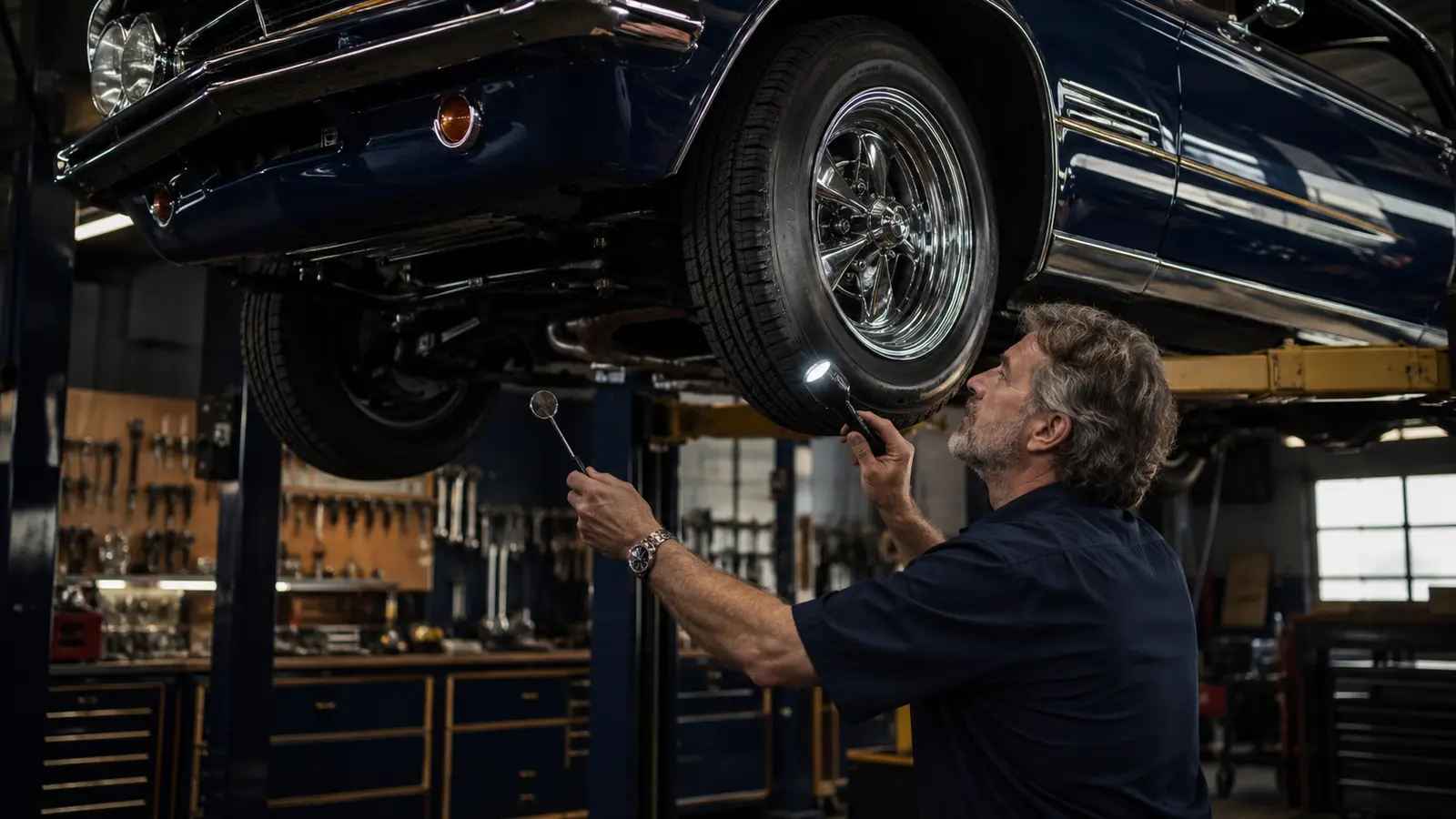
A professional inspection should match the vehicle’s complexity and value. The reviewer may examine the chassis, body, drivetrain, suspension, brakes, electrical systems, numbers, documents, and signs of previous work. Specialist knowledge matters because known weak points differ by model.
“Restored” is not automatically positive. A high-quality restoration performed to the correct specification can add value, but a low-quality restoration may erase originality and hide damage. Request invoices, photographs of work in progress, parts lists, and the identity of the shop.
Originality, Matching Numbers, and Authenticity
Matching-numbers claims usually refer to important components corresponding to factory records or original identifiers. The exact meaning varies by manufacturer and era. A replacement engine may reduce value for one model but be accepted for another if documented and correct.
Authenticity research can include factory build records, chassis and engine numbers, date codes, body tags, ownership files, period photographs, club registries, and expert inspection. Do not rely on one plate or a seller’s description. Identification marks can be altered, and replica parts can look convincing.
NHTSA’s VIN decoder can help with vehicles using modern standardized VINs, but many older vehicles predate the 17-character system. State title records, marque specialists, clubs, and manufacturer archives may be more relevant for earlier cars.

Provenance and Documentation
Provenance is the documented chain connecting the vehicle to its history. Strong files may include title records, bills of sale, registrations, service invoices, restoration photographs, competition records, correspondence, manuals, tools, and awards.
Celebrity ownership or racing history can add value only when it is verifiable and meaningful to buyers. A colorful story without primary records is not reliable evidence. Documentation should be preserved physically and digitally.
Records also support tax basis and ownership. The IRS states that gain on the sale of a personal item such as a car can be taxable and depends on the difference between proceeds and basis. Keep purchase, improvement, fee, and sale records, and consult a tax professional about which costs affect basis.
The Costs That Returns Often Ignore
A headline auction result is a gross price, not an owner’s net return. A realistic ownership model includes:
- Buyer and seller commissions or platform fees.
- Sales, use, registration, title, import, and tax costs.
- Enclosed transport and handling.
- Secure, climate-appropriate storage.
- Agreed-value insurance and liability coverage.
- Routine service, tires, fluids, battery care, and inspections.
- Unexpected mechanical repairs and scarce parts.
- Detailing, documentation, photography, and marketing.
- Financing interest and opportunity cost, if applicable.

For example, a car that rises 20 percent over five years may still produce a negative net result after storage, insurance, maintenance, commissions, and taxes. Calculate the full holding-period return rather than comparing only purchase and sale prices.
Storage and Maintenance Are Part of the Investment
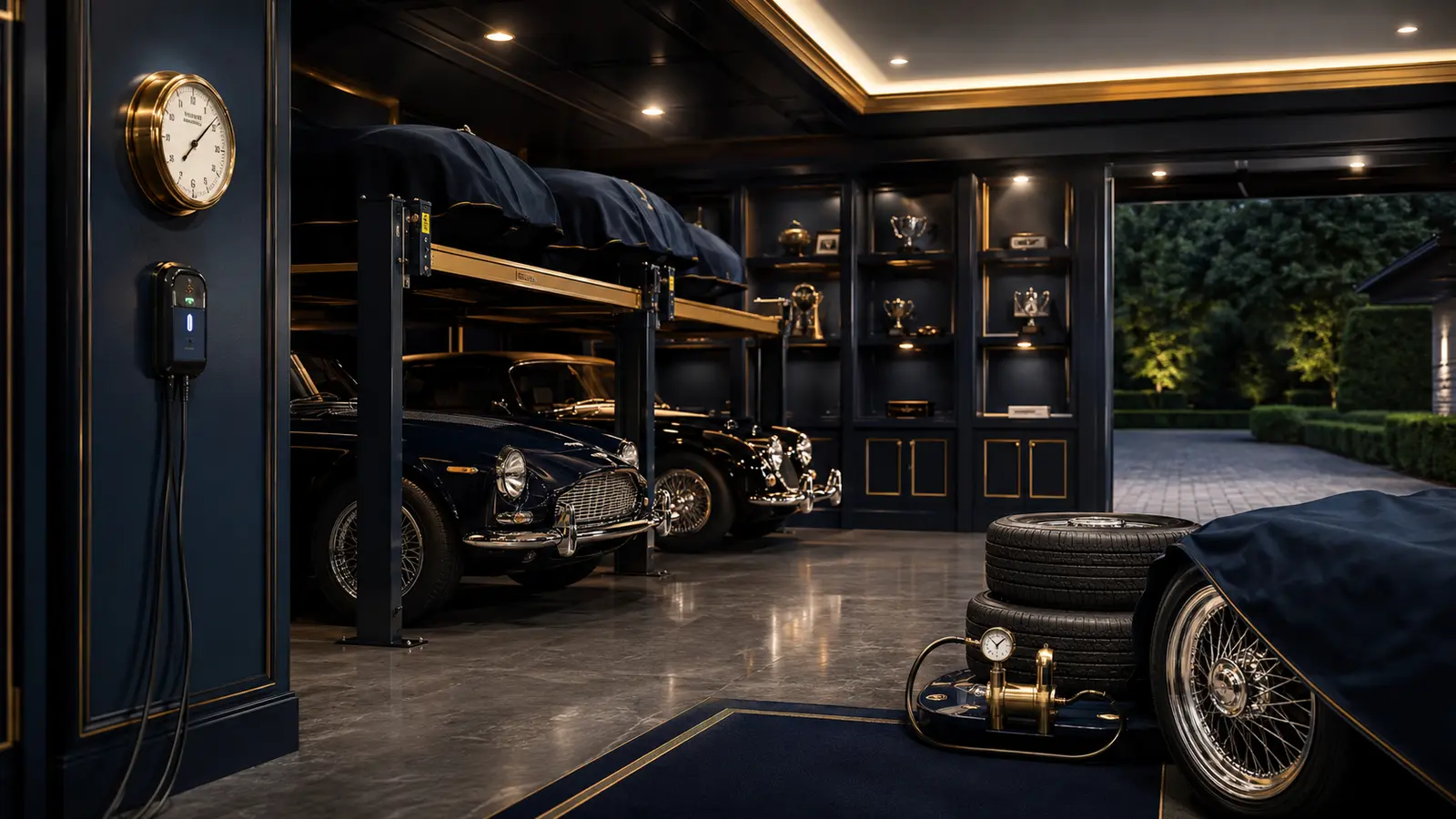
Long inactivity can damage a vehicle. Fuel degrades, seals dry, batteries fail, tires flat-spot, moisture promotes corrosion, and rodents can harm wiring. A storage plan should address temperature, humidity, security, fire protection, ventilation, battery management, fluids, tires, and safe periodic exercise.
Overuse also adds mileage, wear, and accident exposure. The right balance depends on the car. Maintenance should follow specialist guidance and be documented. Deferred work rarely disappears; it is usually discovered during an inspection or reflected in the sale price.
Modifications can improve drivability but reduce originality. Preserve removed factory parts and records so later owners understand what changed.
Insurance, Safety, and Legal Compliance
Collector-car policies often use an agreed value, usage restrictions, storage requirements, mileage conditions, or driver qualifications. Read exclusions and understand whether the vehicle may be used for commuting, track events, shows, transport, or occasional pleasure driving.
Older vehicles may lack modern crash protection, braking, lighting, tires, restraints, or driver-assistance systems. NHTSA provides recall and safety resources, but recall coverage and parts availability for older vehicles can be limited. Mechanical inspection does not guarantee modern safety performance.
Registration, emissions, inspection, import, modification, and road-use rules vary. A vehicle that is legal in one state or country may require changes elsewhere. Minors should not enter purchase, finance, insurance, registration, import, or driving arrangements outside age and licensing rules. A parent or legal guardian and qualified professionals must handle any authorized arrangement.
Liquidity and Price Discovery
A public stock has continuous quotations. A classic car may trade only occasionally, and reported auction prices may not reflect private transactions, seller net proceeds, post-sale adjustments, or differences in condition. Asking prices are not completed sales.
Comparable sales should match year, variant, specification, condition, originality, history, location, and timing. One exceptional auction result can distort expectations. Cars with broader demand may sell more quickly, while specialized vehicles can require months and significant marketing.

A forced sale is especially risky. The available buyer pool may be small, and auction timing or reserve strategy can materially affect the outcome. Keep classic-car exposure separate from money needed for emergencies or near-term goals.
How to Read the 2026 Market
Hagerty’s 2026 reporting illustrates a divided market: major top-end sales can coexist with softer prices and reduced activity elsewhere. Its market rating reached a long-term low early in the year, later showed improvements, and continued to reflect different performance by segment.
This “K-shaped” behavior means broad headlines are insufficient. Some rare, exceptional, or culturally important cars may attract global demand while average examples struggle. Younger collectors may favor analog performance cars, Japanese models, modern classics, trucks, or vehicles from the 1980s through 2000s, changing which segments receive attention.
Do not chase a trend after a record result. Study multi-year transaction volume, median prices, sell-through rates, insured values, demographic interest, and the spread between top and ordinary examples.
Market Signals Worth Tracking
No single index captures every collector vehicle. A better market review combines several signals. Auction sell-through shows how many offered vehicles actually find buyers, while the difference between estimates and completed prices reveals whether expectations are realistic. The number of vehicles withdrawn or sold after the auction can also matter.
Transaction volume helps distinguish a broad trend from one spectacular sale. Median prices are often more informative than averages because a few multimillion-dollar cars can pull an average upward. Compare like-for-like condition groups and specifications; mixing projects, drivers, and concours-quality examples produces misleading statistics.
Insurance quote activity and demographic interest can indicate which models are attracting new collectors, but interest does not guarantee future price appreciation. Parts availability, specialist capacity, event eligibility, environmental rules, and usability can strengthen or weaken long-term demand.
Currency movements and international transport costs affect globally traded cars. A model popular in several countries may have a larger buyer pool, but import rules, taxes, and documentation can limit cross-border demand. Treat every market indicator as evidence, not a prediction.
A Due-Diligence Framework
- Define the purpose. Separate enjoyment, collection, and financial return.
- Research the exact variant. Confirm production numbers, specifications, and known issues.
- Verify identity. Check chassis, engine, body, title, and records with specialists.
- Commission an independent inspection. Use an expert who does not benefit from the sale.
- Review provenance. Require primary documents for important claims.
- Analyze comparable sales. Adjust for condition, fees, timing, and specification.
- Build a five-year cost budget. Include storage, insurance, maintenance, repairs, taxes, and selling costs.
- Plan custody and security. Decide where and how the vehicle and records will be protected.
- Understand exit options. Compare private sale, dealer consignment, online auction, and live auction conceptually, including fees and time.
- Get professional advice. Use legal, tax, insurance, title, import, and mechanical experts where appropriate.

Restoration Economics
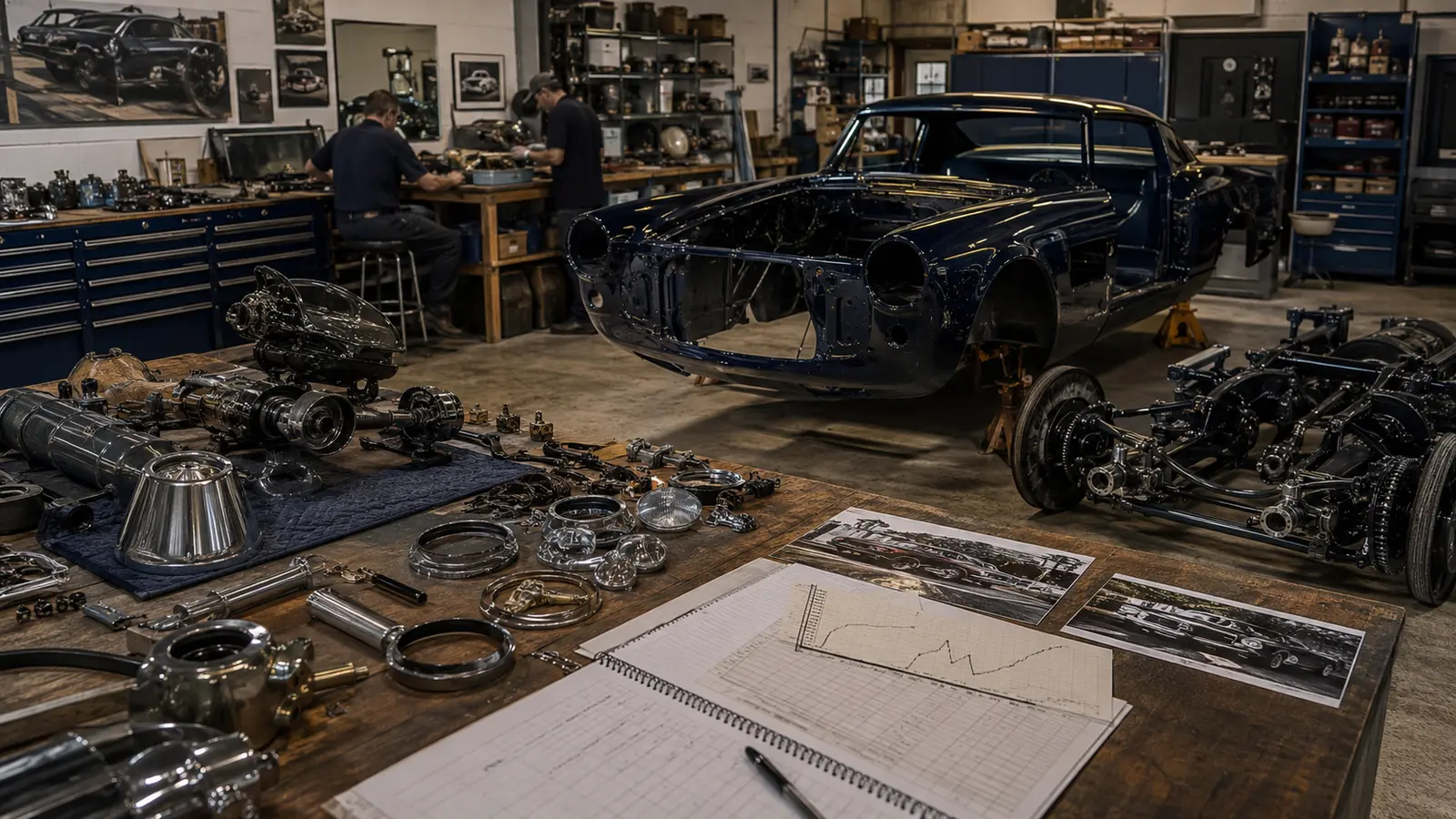
Restoration rarely follows the first estimate. Disassembly can reveal corrosion, missing parts, incorrect previous repairs, and unavailable components. Labor hours may exceed expectations, and authenticity can require expensive period-correct materials.
Compare the completed value with acquisition cost, transport, tax, restoration, storage, and a contingency reserve. A project may be worthwhile for personal reasons while still being a poor financial investment. Avoid assuming that every dollar spent adds a dollar of market value.
Photograph and document the entire process. Retain invoices, old components, material samples, and specialist reports. Future buyers value transparency.
Ownership Risk Beyond Mechanical Condition
Title defects can be more serious than a repair bill. Confirm that the seller has legal authority to transfer the vehicle and that liens, estate claims, ownership disputes, or inconsistent identification numbers are resolved through qualified channels. Salvage, rebuilt, bonded, or missing-title histories can affect registration and value.
Fraud risks include altered odometers, cloned identification numbers, fabricated history, hidden accident repairs, counterfeit documentation, and deposits requested for vehicles that do not exist. NHTSA recommends using vehicle history information to investigate odometer discrepancies. Higher-value vehicles may justify additional title, identity, escrow, and expert review through licensed professionals.
Physical security is another continuing cost. Storage should limit unauthorized access, and transport should use reputable insured providers. Detailed photographs, serial numbers, documents, and current valuations support insurance and recovery after a loss. Public posts that reveal a vehicle’s exact storage location can create unnecessary exposure.
Enjoyment Return vs. Financial Return
A collector car can deliver experiences that a conventional financial asset cannot: driving, design appreciation, preservation, events, and community. Those benefits are real, but they should be named separately from financial performance. Calling every enjoyable expense an investment can hide the true return.
A useful ownership plan records two results. The first is the financial result after every cost and tax. The second is the personal value received from use and stewardship. A car can be a satisfying possession despite a financial loss, while a financially successful car may be disappointing if fear of mileage or damage prevents any enjoyment.
Set expectations before ownership. Decide whether preservation, driving, restoration, competition, or appreciation is the priority. Conflicting goals—such as frequent use and museum-level originality—can produce poor decisions and unexpected costs.
Portfolio Role and Risk Control
A classic car produces no interest or dividend and can consume cash. Its return depends on future buyers, while ownership concentrates value in one physical object exposed to damage, theft, legal disputes, and changing taste.
For that reason, collector vehicles should not replace an emergency fund, diversified retirement savings, or insurance needs. ChirBlog’s guide to investing, emergency fund guide, and luxury assets coverage provide broader context.
Risk control includes limiting concentration, avoiding unaffordable debt, maintaining reserves for repairs, documenting ownership, and accepting that enjoyment may be part of the return. If the financial case works only under an optimistic resale price, it is fragile.

Common Mistakes
- Assuming all old cars appreciate.
- Buying a story without verifying numbers and records.
- Relying on asking prices instead of completed comparable sales.
- Skipping an independent specialist inspection.
- Ignoring commissions, taxes, storage, insurance, and repairs.
- Over-restoring an original vehicle or choosing the wrong specification.
- Using debt that forces a sale during a weak market.
- Failing to preserve parts, documents, and restoration photographs.
- Confusing one record auction with the market for an average example.
- Treating a hobby purchase as a guaranteed investment.
Frequently Asked Questions
Do classic cars always appreciate?
No. Values can fall, remain flat, or fail to cover ownership costs. Performance varies by model, condition, provenance, and market cycle.
Is an original car better than a restored car?
It depends on the model, quality, and buyer preference. Well-preserved originality can command a premium, while a correct high-quality restoration may be preferable to a deteriorated original or poor earlier restoration.
How should returns be calculated?
Subtract acquisition fees, tax, transport, storage, insurance, maintenance, restoration, financing, selling fees, and taxes from sale proceeds, then compare the net result with the holding period and other uses of capital.
Are auction estimates reliable?
They are opinions, not guarantees. Review comparable sales, condition, specification, reserve, fees, and whether reported transactions actually closed.
What documents matter most?
Title and identity records, purchase documents, factory or build information, service history, restoration invoices and photographs, ownership history, and expert reports are particularly important.
Can a classic car be a diversified investment?
A single vehicle is concentrated and illiquid. Even a collection can be exposed to the same economic and taste cycles. Diversification should be evaluated across the owner’s entire financial position.
Sources and Further Reading
- Hagerty: The 2026 Collector Car Market
- Hagerty: June 2026 Market Report
- NHTSA: Vehicle Safety and Recall Resources
- NHTSA: VIN Decoder
- NHTSA: Odometer Fraud
- IRS: Selling Personal Items and Form 1099-K
- IRS Publication 544: Sales and Other Dispositions of Assets
This article is general educational information, not individualized investment, tax, legal, insurance, mechanical, or purchasing advice. Collector-vehicle prices, laws, taxes, insurance terms, safety standards, and market conditions change. Consult qualified adults and licensed professionals before any ownership or financial decision.