10 Common Legal Mistakes People Make and How to Avoid Them
Legal problems do not always begin with dramatic events or complicated lawsuits. Many start with ordinary decisions: signing a document without reading it, trusting a verbal promise, ignoring an official notice, or failing to keep records.
A small mistake can become expensive when it affects a contract, debt, job, rental property, business, inheritance, or court case. Although no one can eliminate every legal risk, developing a few practical habits can prevent misunderstandings and place you in a stronger position if a dispute occurs.
This guide explains ten common legal mistakes people make and the steps that may help avoid them. It primarily uses general examples from the United States. Laws, deadlines, and procedures vary by state and jurisdiction, so individualized questions should be discussed with a qualified attorney.
Common Legal Mistakes at a Glance
| Legal mistake | Possible consequence | Safer approach |
|---|---|---|
| Signing without reading | Unexpected fees or obligations | Review the complete agreement |
| Trusting verbal promises | Difficulty proving what was agreed | Put important terms in writing |
| Ignoring legal notices | Default judgment or lost rights | Confirm and respond before the deadline |
| Waiting too long | Expiration of a claim | Identify deadlines immediately |
| Keeping poor records | Inability to prove your position | Preserve organized evidence |
| Posting about disputes online | Statements may damage your case | Limit public discussion |
| Paying an unverified debt | Payment of an incorrect or fraudulent claim | Request validation first |
| Mixing business and personal money | Accounting and liability complications | Maintain separate accounts |
| Failing to plan your estate | Property distributed under default laws | Create and regularly review a plan |
| Delaying legal advice | Fewer and more expensive options | Seek help before the problem escalates |
1. Signing a Contract Without Reading It
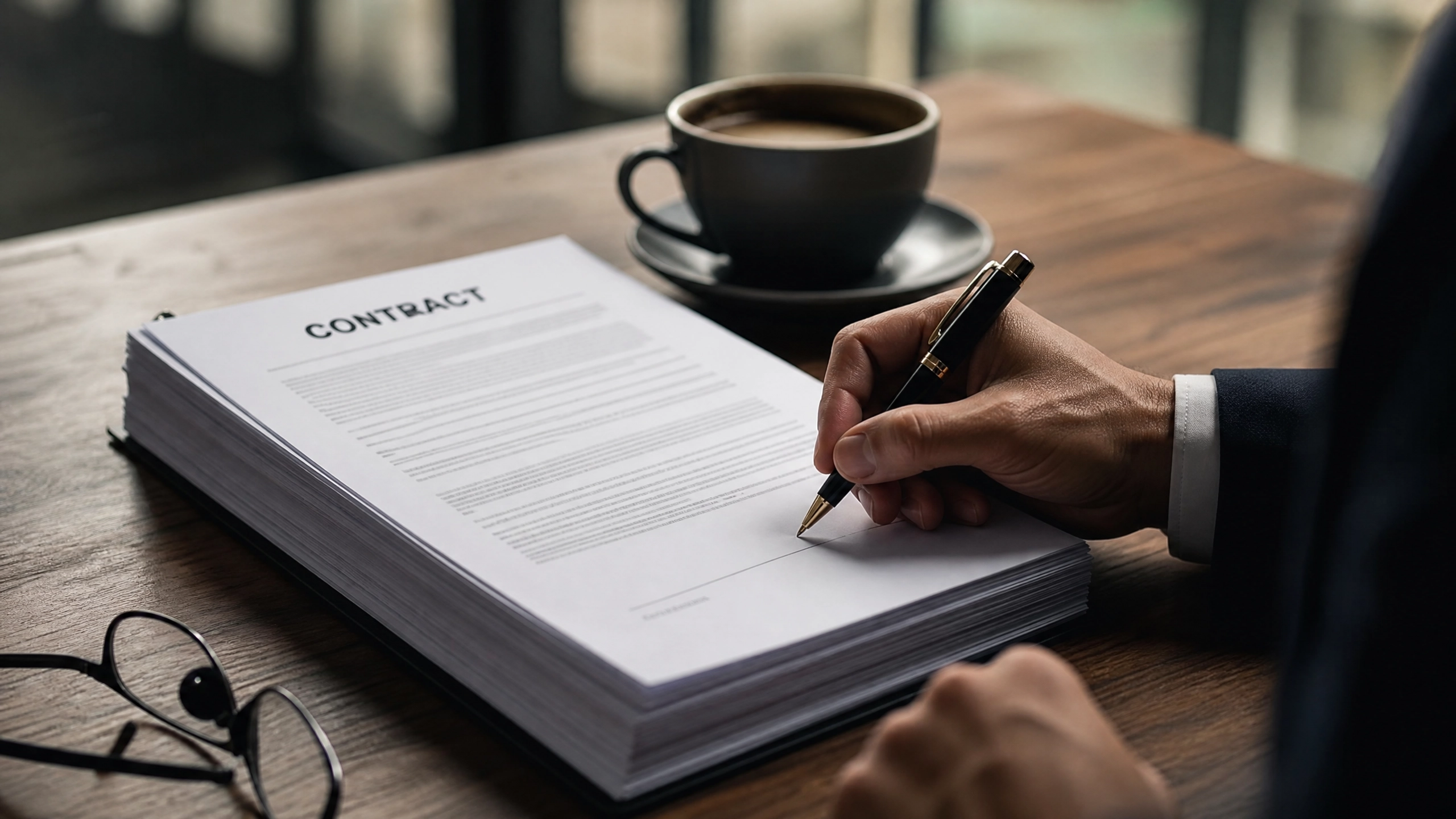
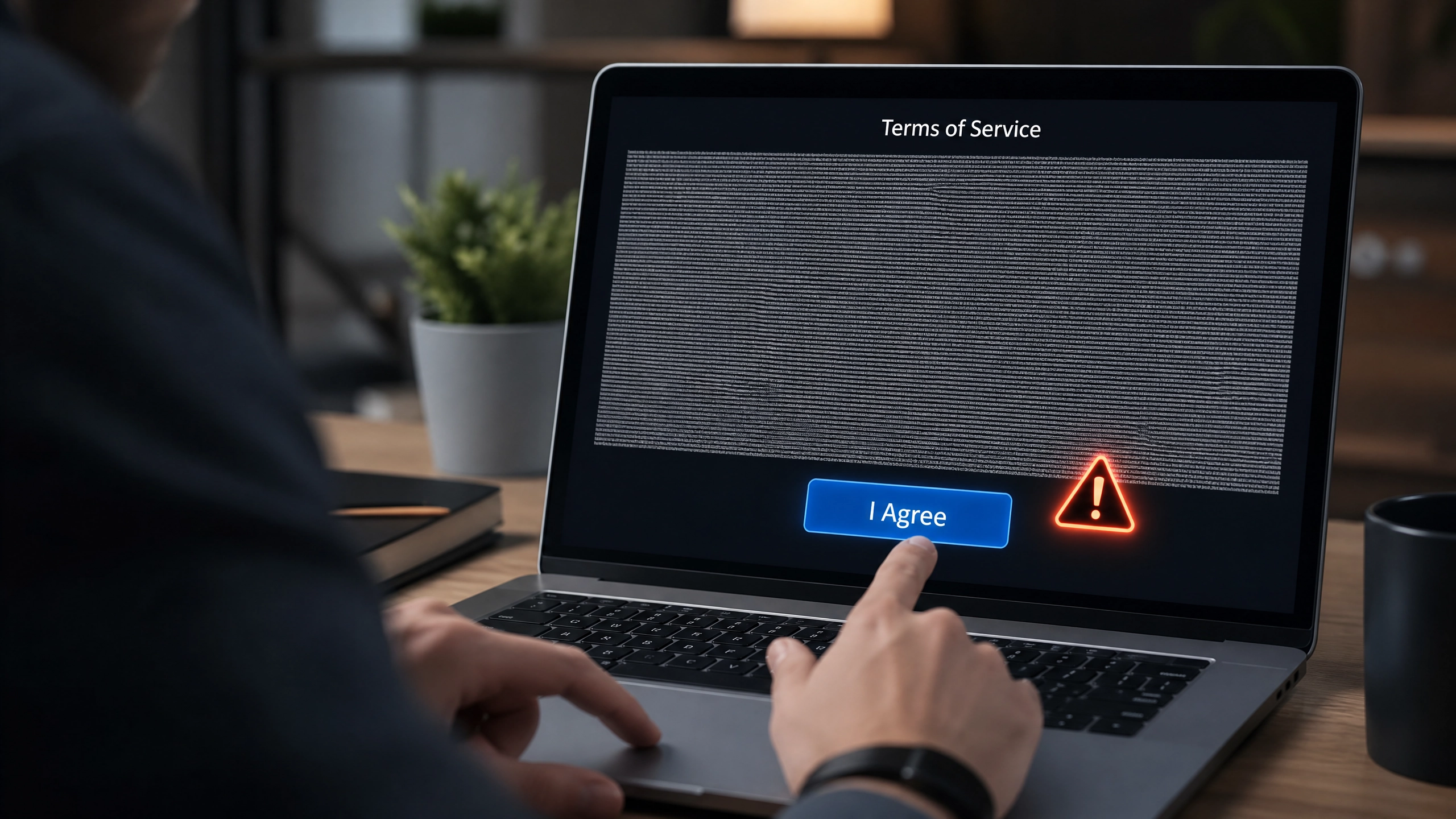
One of the most common legal mistakes is signing a contract without reading every page. People often assume that an agreement is harmless because it is described as standard, routine, or nonnegotiable.
A contract may contain provisions involving:
- Automatic renewal
- Cancellation fees
- Interest and penalties
- Personal guarantees
- Arbitration
- Limitations of liability
- Ownership of creative work
- Confidentiality
- Restrictions on future employment
- Responsibility for legal expenses
Once an agreement is signed, claiming that you did not read it may not release you from its obligations.
The Federal Trade Commission advises consumers to read contracts carefully, obtain important promises in writing, and avoid signing documents that contain blank spaces.
How to Avoid This Mistake
Read the entire agreement, including attachments, definitions, fee schedules, and policies incorporated by reference.
Confirm:
- The correct parties are identified
- The total price is stated
- Payment deadlines are clear
- All important promises are included
- The beginning and ending dates are correct
- The cancellation process is understandable
- No important spaces are blank
- You will receive a complete signed copy
Do not allow pressure to force you into an immediate decision. Ask for enough time to review the document and obtain independent legal advice when the agreement involves substantial money, property, personal liability, or long-term restrictions.
Also avoid assuming that every consumer agreement includes a three-day cancellation period. The FTC’s Cooling-Off Rule applies only to certain covered sales and contains several exceptions.

2. Relying on Verbal Promises
A landlord may promise to complete repairs. A contractor may offer a lower price. An employer may discuss a bonus or remote-work arrangement. A business partner may promise equal ownership.
These statements may be genuine, but disagreements can arise when they are not documented. The parties may later remember the conversation differently or disagree about the conditions attached to the promise.
Written agreements also frequently contain an entire-agreement clause stating that the signed document replaces previous conversations and informal assurances.
How to Avoid This Mistake
Put every important term in writing.
Documentation may include:
- A signed contract
- An amendment
- An email confirmation
- A written estimate
- An invoice
- A text-message exchange
- Meeting notes confirmed by all parties
After an important telephone conversation, send a short email summarizing your understanding. For example:
“Thank you for speaking with me today. My understanding is that the repair will be completed by Friday at no additional charge.”
Ask the other person to correct the summary if it is inaccurate.
The FTC recommends including important promises in written contracts and keeping records such as receipts and emails so that a seller or service provider can be held to its commitments.

3. Ignoring Court Papers or Official Notices
Some people ignore court papers because they believe the claim is false, cannot afford a lawyer, or hope the other party will abandon the case. This is one of the most damaging legal mistakes a person can make.
Being sued does not mean the plaintiff has already won. However, failing to respond can allow the plaintiff to seek a default judgment.
A default judgment may be entered when a defendant does not answer or otherwise defend the lawsuit. If granted, the plaintiff may win without the allegations being fully contested by the defendant.
Other documents that should not be ignored include:
- Eviction notices
- Debt-collection lawsuits
- Tax letters
- Government notices
- Insurance requests
- Administrative complaints
- Subpoenas
- Employment-agency correspondence
How to Avoid This Mistake
After receiving an official document:
- Record when and how it was delivered.
- Read every page.
- Identify the sender, court, or government agency.
- Locate the response deadline.
- Preserve related documents.
- Verify that the notice is genuine.
- Seek legal assistance promptly.
In federal civil cases, defendants generally have 21 days after service to file an answer, although different deadlines and exceptions apply. State courts have their own rules. Never assume that a deadline found online applies to your case.

4. Missing a Legal Deadline
Legal rights are often connected to strict time limits. A person may have a strong complaint but lose the ability to pursue it by waiting too long.
Deadlines may apply to:
- Responding to a lawsuit
- Appealing a judgment
- Filing an employment complaint
- Disputing a debt
- Reporting an accident
- Challenging an eviction
- Filing an insurance claim
- Bringing a personal injury case
- Making a claim against a government agency
Some deadlines are much shorter than people expect.
For example, federal employment-discrimination charges generally must be filed with the Equal Employment Opportunity Commission within 180 calendar days. This can extend to 300 days when a qualifying state or local agency enforces a law prohibiting discrimination on the same basis. Different rules apply to certain claims and federal employees.
How to Avoid This Mistake
Create a written list of every possible deadline as soon as a legal problem begins.
Record:
- The event date
- The date documents were received
- The filing deadline
- The notice method required
- The court or agency involved
- Any scheduled hearing
Use multiple calendar reminders. Do not wait until the final day to prepare a response.
An internal complaint or informal negotiation does not necessarily pause an external legal deadline. Ask a qualified professional which deadlines apply rather than assuming that ongoing discussions provide extra time.

5. Failing to Keep Records and Preserve Evidence
Many legal disputes are decided by documents rather than memories. A person may know that a payment was made, a promise was broken, or a complaint was reported, but proving it can be difficult without evidence.
Useful records may include:
- Contracts
- Receipts
- Bank statements
- Photographs
- Videos
- Emails
- Text messages
- Medical records
- Pay statements
- Repair requests
- Insurance correspondence
- Delivery confirmations
- Court documents
The FTC recommends preserving purchase confirmations, receipts, tracking details, emails, text messages, and other records connected to transactions.
How to Avoid This Mistake
Create an organized file for every significant transaction or dispute.
Keep original documents and make secure backups. Write a chronological timeline identifying:
- What happened
- When it occurred
- Who was involved
- What was promised
- Which payments were made
- Which complaints were submitted
- How the other party responded
When submitting a complaint, send copies rather than original records. Keep proof that the complaint was delivered. The FTC recommends retaining the originals and preserving a copy or screenshot of the complaint itself.
Never fabricate, modify, hide, or destroy evidence. When litigation is pending or reasonably expected, relevant documents and electronic information may need to be preserved.
6. Posting Too Much About a Legal Dispute
Social media can turn an emotional reaction into permanent evidence. A person involved in an accident, employment dispute, divorce, business conflict, or lawsuit may post comments, photographs, location information, or videos that contradict another statement.
For example, someone claiming that an injury severely limits physical activity may create questions by posting photographs that appear inconsistent with those limitations. A parent involved in a custody dispute may post angry comments that damage credibility. A business owner may reveal confidential information about a customer or competitor.
Deleting a post does not guarantee that it has disappeared. Other users may have taken screenshots, and relevant social-media content may be subject to evidence-preservation requirements. Federal court materials recognize that preservation obligations can include relevant electronically stored information and social-media content when litigation is anticipated.
How to Avoid This Mistake
Do not publicly discuss:
- The opposing party
- Witnesses
- Attorneys
- Judges
- Settlement discussions
- Confidential documents
- Medical details
- Legal strategy
Review privacy settings, but do not assume that they make posts invisible or legally protected.
Do not delete relevant content after a dispute has started without obtaining legal guidance. The safest approach is usually to limit posting and discuss the situation privately with a qualified attorney.

7. Paying a Debt Without Verifying It
A debt-collection call can be stressful. Some people make an immediate payment because they fear a lawsuit, credit damage, or continued telephone calls.
However, the debt may:
- Belong to someone else
- Have already been paid
- Contain an incorrect balance
- Be connected to identity theft
- Be too old for certain legal enforcement
- Be pursued by a fraudulent collector
Debt collectors generally must provide validation information during the initial communication or within five days. This information includes the creditor’s name, the amount claimed, and instructions for disputing the debt.
Consumers generally have 30 days after receiving the validation information to dispute a covered debt in writing. When a timely written dispute is submitted, collection generally must pause until verification is provided.
How to Avoid This Mistake
Before paying:
- Confirm the collector’s identity.
- Request written validation.
- Compare the claim with your records.
- Check the original creditor and account.
- Dispute incorrect information in writing.
- Keep copies and proof of delivery.
- Seek advice before acknowledging or paying an old debt.
Do not provide bank-account information, passwords, or verification codes until the collector and debt have been independently verified.
Be particularly cautious when someone demands gift cards, cryptocurrency, wire transfers, or immediate payment while refusing to provide written information.

8. Mixing Personal and Business Finances
Small business owners sometimes pay company expenses from personal accounts and deposit customer payments into personal accounts. This may seem convenient when the business is new, but it can create accounting, tax, credibility, and liability complications.
Mixing funds can make it difficult to:
- Calculate business income
- Prove deductible expenses
- Prepare accurate financial statements
- Identify owner withdrawals
- Respond to an audit
- Demonstrate that the company is managed separately
- Evaluate business profitability
The Small Business Administration recommends using separate personal and business bank accounts to support accurate bookkeeping and clearer financial management.
How to Avoid This Mistake
Use:
- A dedicated business bank account
- A separate business credit card
- A reliable bookkeeping system
- Written expense-reimbursement procedures
- Consistent invoices
- Organized receipts
- Clear records of owner contributions and withdrawals
Signing through an LLC or corporation also does not protect an owner from every obligation. A personal guarantee, personal wrongdoing, or failure to follow applicable business requirements may still create personal exposure.
Review major loans, commercial leases, and guarantees with an attorney before signing.
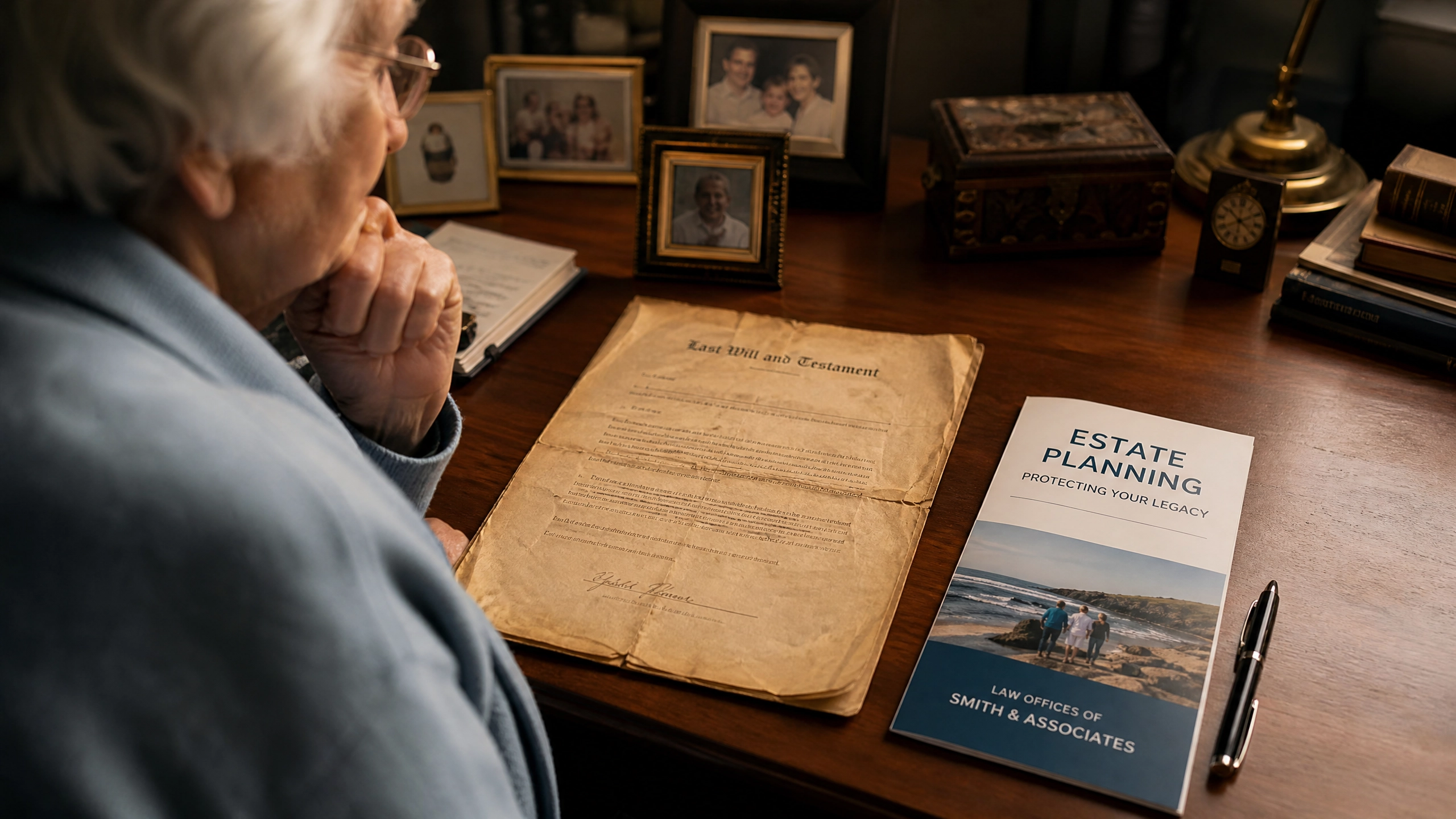
9. Failing to Create or Update an Estate Plan
Many people postpone estate planning because they believe they are too young or do not own enough property. However, estate planning involves more than distributing wealth.
A plan may address:
- Who receives property
- Who manages the estate
- Who makes financial decisions during incapacity
- Who makes healthcare decisions
- Who may care for minor children
- How a business should continue
- Who receives insurance or retirement benefits
Without an appropriate plan, property may be distributed under state default laws rather than personal preferences.
Another common mistake is creating documents and never reviewing them. A will, beneficiary designation, power of attorney, or trust may become outdated after marriage, divorce, birth, death, relocation, or a major financial change.
How to Avoid This Mistake
Prepare an inventory of:
- Property
- Financial accounts
- Retirement plans
- Insurance policies
- Business interests
- Debts
- Digital assets
- Important personal belongings
Then consider which documents may be appropriate for your circumstances.
Review the plan periodically and after major life events. Confirm that beneficiary designations and account ownership match the overall plan. Store documents securely and make sure trusted people know where they can be found.
High-value estates, blended families, dependents with special needs, business ownership, and property in multiple jurisdictions often require professional estate-planning advice.
10. Waiting Too Long to Get Legal Advice
Some people avoid lawyers because they worry about cost or believe hiring one will make a conflict more serious. In reality, speaking with a lawyer does not necessarily mean filing a lawsuit.
A lawyer may help by:
- Explaining your rights
- Identifying deadlines
- Reviewing a contract
- Preserving evidence
- Communicating with another party
- Negotiating a settlement
- Preventing an avoidable mistake
- Determining whether full representation is necessary
Waiting can reduce the available options. Evidence may disappear, witnesses may become unavailable, deadlines may expire, and the other party may strengthen its position.
How to Avoid This Mistake
Consider obtaining legal advice when:
- You receive court papers
- Criminal accusations are involved
- A large amount of money is at risk
- Your home, job, business, or family may be affected
- You are asked to sign a settlement or release
- The other party has an attorney
- You do not understand an important agreement
- A filing deadline may be approaching
People who cannot afford traditional representation may qualify for legal-aid organizations, pro bono programs, law-school clinics, or limited-scope services. USAGov provides information about free and lower-cost legal assistance, although eligibility and availability vary.
A Practical Legal Protection Checklist
Before making a legally significant decision:
- Read every document.
- Put important promises in writing.
- Keep complete records.
- Identify all deadlines.
- Respond to official notices.
- Verify debts and financial demands.
- Avoid discussing disputes publicly.
- Preserve relevant evidence.
- Separate business and personal activity.
- Seek qualified advice when substantial rights are involved.
Frequently Asked Questions
Is every unfair situation legally actionable?
No. Conduct may be unfair, irresponsible, or unethical without violating a specific law. A legal claim usually requires facts that satisfy the elements of a statute, contract, regulation, or recognized legal duty.
Is a verbal agreement legally binding?
Some verbal agreements may be enforceable, but proving their exact terms can be difficult. Certain agreements must also meet written-form requirements. Important terms should be documented.
Can I ignore a legal notice if it contains incorrect information?
No. An inaccurate notice may still require a response. Failing to act can allow a court, agency, creditor, or other party to proceed without considering your objections.
Should I delete social-media posts during a lawsuit?
Do not delete potentially relevant material without legal advice. Destruction or alteration of evidence can lead to serious consequences.
Do I need a lawyer for every legal issue?
No. Some routine matters can be handled through government complaint procedures, court self-help services, direct negotiation, or limited legal assistance. Complex or high-risk matters are more likely to require professional representation.
Does speaking with a lawyer mean I must sue?
No. Legal consultations can be preventive. A lawyer may review documents, explain options, negotiate, or help resolve the problem without litigation.
Final Thoughts
Many legal problems can be prevented through basic habits: read before signing, document important conversations, preserve evidence, verify financial demands, and respond promptly to official notices.
Do not assume that a verbal promise will protect you, that an incorrect lawsuit can be ignored, or that a legal deadline will be extended because negotiations are continuing. Avoid making emotional public statements and do not destroy information connected to a dispute.
The goal is not to treat every disagreement as a lawsuit. It is to recognize when a decision may create lasting legal consequences and take reasonable steps to protect yourself.
This article is provided for general educational and informational purposes only. It does not constitute legal advice, create an attorney-client relationship, or address every federal, state, and local rule. Laws, deadlines, procedures, and available remedies vary by jurisdiction and circumstances. Consult a qualified attorney licensed in the relevant jurisdiction for guidance about a specific legal matter.