Smart Home Technology That Actually Pays for Itself: The Ultimate ROI Guide
In the early days of the “Smart Home” revolution, the value proposition was purely about convenience. We were sold on the magic of turning off lights with our voices, checking who was at the door from our smartphones, or having an oven preheat while we were still stuck in traffic. These features were undeniably cool, but for the average homeowner, they were luxury gimmicks—expensive additions that provided marginal utility.
Today, the smart home narrative has shifted dramatically. As energy costs soar and the global push for sustainability intensifies, smart technology has evolved from a luxury plaything into a sophisticated tool for Capital Preservation.
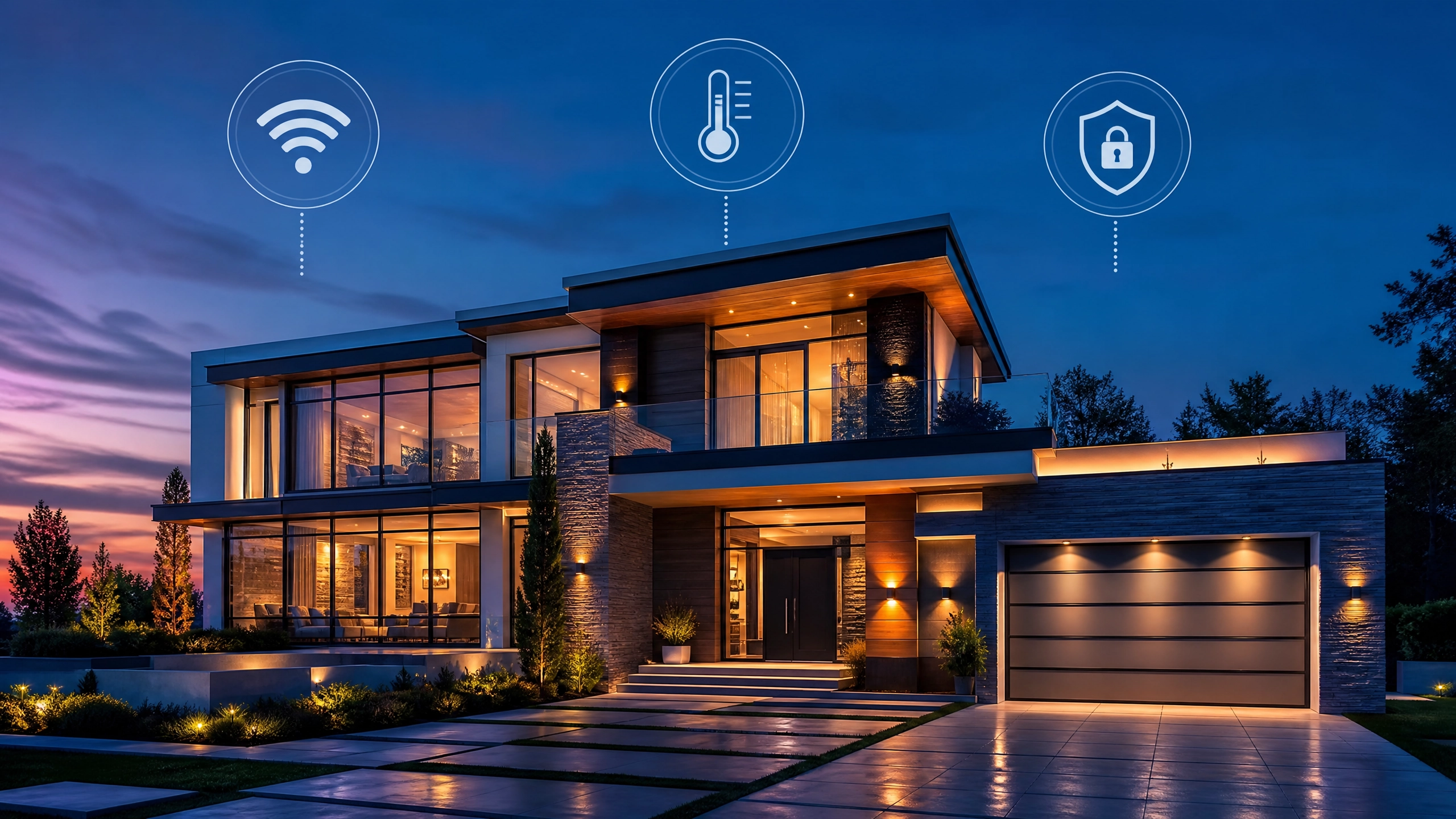
The modern smart home is no longer about novelty; it is about engineering a system that identifies waste, optimizes consumption, and physically pays for itself over time. If you approach smart home upgrades with a disciplined investor’s mindset, you can transform your home into a profit-generating (or cost-saving) asset rather than a financial black hole.
This comprehensive guide will strip away the marketing fluff and analyze the true Return on Investment (ROI) of smart home technology. We will break down the mechanics of energy efficiency, detail the specific devices that provide a guaranteed payback period, and provide you with a framework to calculate whether a “smart” upgrade is a genuine financial asset or a wasted expense.
1. The Financial Paradigm: Moving from “Cool” to “Cost-Effective”
To approach smart home upgrades as an investor, you must abandon the “I want this because it’s new” mentality. You must adopt the “Payback Period” analysis.
The payback period is a simple financial calculation:
$$\text{Payback Period (Years)} = \frac{\text{Initial Cost of Device}}{\text{Annual Savings Generated by Device}}$$
If you purchase a smart device for $200 and it saves you $100 a year in energy costs, your payback period is 2 years. After year two, every single dollar saved is pure profit. Any smart home technology that does not reach a “break-even” point within 3 to 5 years should generally be viewed as a luxury expense, not a financial investment.

2. The Heavy Hitters: Devices with Guaranteed ROI
Not all smart gadgets are created equal. To build a home that pays for itself, you must focus on the “Big Three” consumers of household energy: Climate Control, Lighting, and Water.
HVAC Management: The King of ROI (Smart Thermostats)
Heating and cooling (HVAC) typically account for over 50% of an average home’s annual energy bill. This is your primary target for ROI.
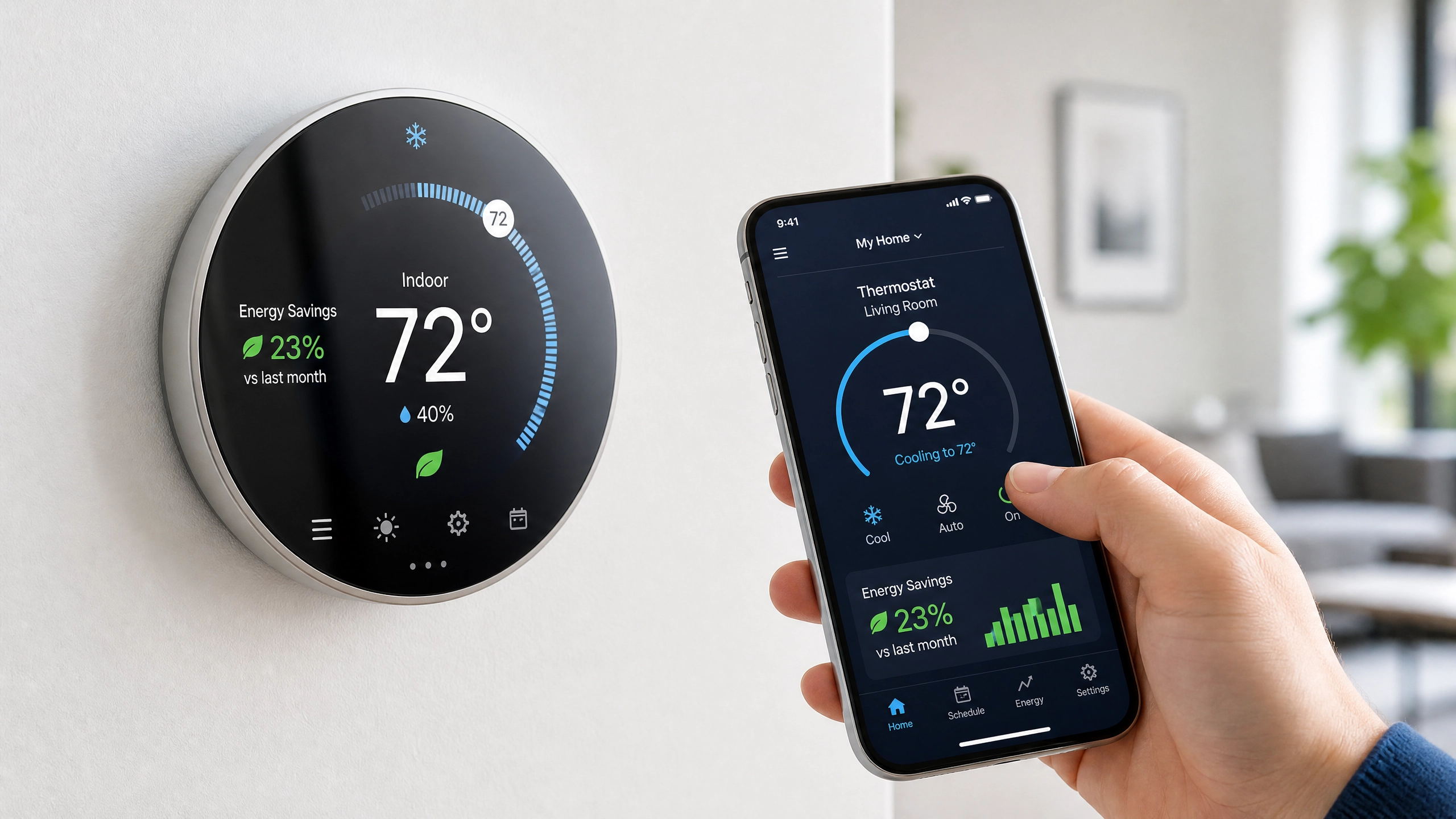
Smart thermostats (like Nest or Ecobee) use machine learning to understand your schedule, the weather patterns outside, and the thermal efficiency of your home. They do not just “set a temperature”; they optimize the entire climate strategy.
- The ROI Logic: By learning when you are away and lowering the heat/AC during those hours, they reduce energy consumption by an average of 10% to 15% annually.
- The Math: If your annual cooling/heating cost is $2,000, a 12% saving is $240 per year. With a smart thermostat costing roughly $150–$200, you achieve a payback period of less than one year. This is, mathematically, the single best investment you can make in your home.
Smart Lighting and Outlets: Eliminating “Vampire Power”
While individual LED bulbs are energy-efficient, they are “dumb.” Smart lighting allows you to automate the entire home, ensuring that not a single bulb is left on in an empty room.
Even more critical are Smart Outlets. Many electronic devices (TVs, gaming consoles, coffee makers) draw “vampire power”—energy consumed even when the device is turned off. Smart outlets allow you to physically cut power to these devices entirely when they are not in use.
- The ROI Logic: By automating your lighting and killing vampire loads, you can shave an additional 3% to 5% off your electricity bill.
- The Math: On a $2,000 annual energy bill, a 4% saving is $80 per year. With smart plugs costing roughly $15 each, a small apartment setup pays for itself in under two years.
Smart Water Management: Leak Detection and Irrigation
Water damage is one of the most common and expensive claims in residential insurance. A slow, undetected leak behind a wall or under a sink can cause tens of thousands of dollars in structural damage.
- Smart Leak Detectors: Sensors placed near water heaters, washing machines, and dishwashers monitor moisture levels. If a leak is detected, they trigger an immediate smartphone alert, allowing you to shut off the water before the wood rots.
- Smart Irrigation: Smart controllers for garden sprinklers use local weather data to skip watering cycles if it is going to rain. This can reduce outdoor water usage by up to 50% in arid climates.
- The ROI Logic: The cost of a $100 leak detector is essentially a premium insurance policy. Preventing a single $5,000 plumbing disaster gives you an ROI of 4,900%.
3. The Hidden ROI: Insurance Premiums and Energy Rebates
The financial benefits of a smart home often extend well beyond the monthly energy bill. Two significant, yet often overlooked, avenues for cash back exist:
The Insurance Discount Strategy
Insurance companies are essentially risk-management machines. They want to avoid expensive payouts. Many major insurance providers (like State Farm, Allstate, or Liberty Mutual) offer significant discounts if you install smart home safety technology.
- What to disclose: When installing smart smoke detectors (like Nest Protect) or smart water shut-off valves, contact your insurance provider. You can often receive a 5% to 15% discount on your annual home insurance premium.
- The Math: If your home insurance premium is $2,000 per year, a 10% discount is $200 back in your pocket annually. This is a recurring, guaranteed return that compounds over the life of your homeownership.
Utility Provider Rebates
Utility companies are under immense pressure to reduce demand on the power grid. To avoid building expensive new power plants, they actively pay you to use less energy.
- The Strategy: Check your local electric or water utility provider’s website for “Smart Home Rebates.” Many utilities offer direct cash rebates for installing smart thermostats or Energy Star-certified smart appliances. It is common to see $50 to $100 instant rebates for a single thermostat, effectively reducing your initial capital expenditure to near zero.
4. The “Smart Home” Fallacy: What to Avoid
To maintain an investor’s mindset, you must ruthlessly avoid “Smart Gadget Bloat.” Adding internet connectivity to a device does not automatically make it a financial asset.
Avoid smart devices that suffer from:
- High Subscription Costs: If a smart lock requires a $10/month subscription just to open the door from your phone, the ongoing cost will destroy any ROI it provides.
- Planned Obsolescence: If a device is from a generic, unverified manufacturer, it will likely lose software support in 18 months, rendering it a “brick.” Stick to established ecosystem players (Google, Amazon, Apple, Lutron) that prioritize long-term software support.
- Low Efficiency Gains: A smart toaster might be a fun conversation piece, but it does not save electricity in any meaningful way. It is a pure luxury, not an investment. If the purchase doesn’t save you time or money, classify it as “Entertainment,” not “Home Improvement.”

5. Comparative Matrix: Smart vs. Traditional Tech ROI
| Device | Traditional Tech | Smart Tech | Primary Financial Benefit | ROI / Payback Period |
|---|---|---|---|---|
| Thermostat | Manual / Programmable | AI-Learning (Nest/Ecobee) | 10-15% lower HVAC costs | < 1 Year |
| Lighting | Manual Switches | Automated Scheduling | Reduced energy waste | 1 – 2 Years |
| Water Valves | Manual Shut-off | Automatic Leak Detection | Catastrophic loss prevention | Infinite (Insurance focus) |
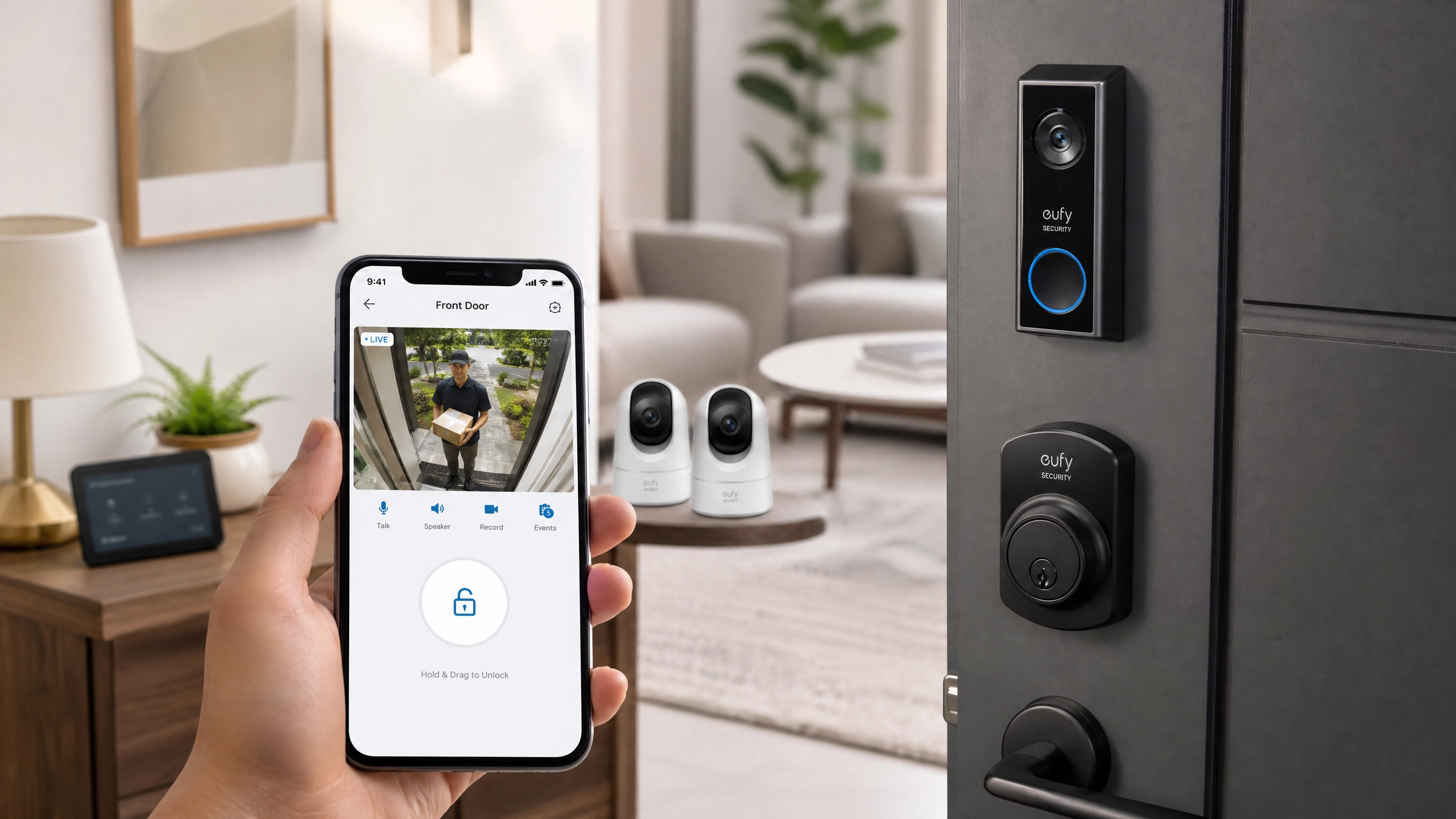
| Security | Alarm Monitoring | Smart Sensors/Cams | Home insurance discounts | 2 – 4 Years |
| Appliances | Standard Fridge/Oven | Energy Star Connected | Energy optimization / Utility rebates | 3 – 5 Years |

6. How to Build Your “ROI-Positive” Home (Action Plan)
If you are ready to start building a home that pays you back, do not buy everything at once. Use this prioritized implementation strategy.
Priority 1: The Energy Audit (Months 1–2)
Before buying a single device, review your last 12 months of electricity, gas, and water bills. Identify which month costs the most. Is it the winter heating bill? The summer AC bill? Buy the smart device that targets your highest expense first.
Priority 2: Climate and Lighting (Months 3–6)
Install a smart thermostat and smart plugs for any appliance that stays plugged in 24/7 (gaming consoles, printers, older TVs). Connect your lighting to a smart hub to ensure no lights are left burning in empty rooms.
Priority 3: Safety and Insurance (Months 6–12)
Once your daily energy usage is optimized, target your insurance premiums. Install smart smoke detectors and water sensors. Call your insurance agent, document the devices, and demand a premium discount.
Priority 4: Monitor and Optimize (Ongoing)
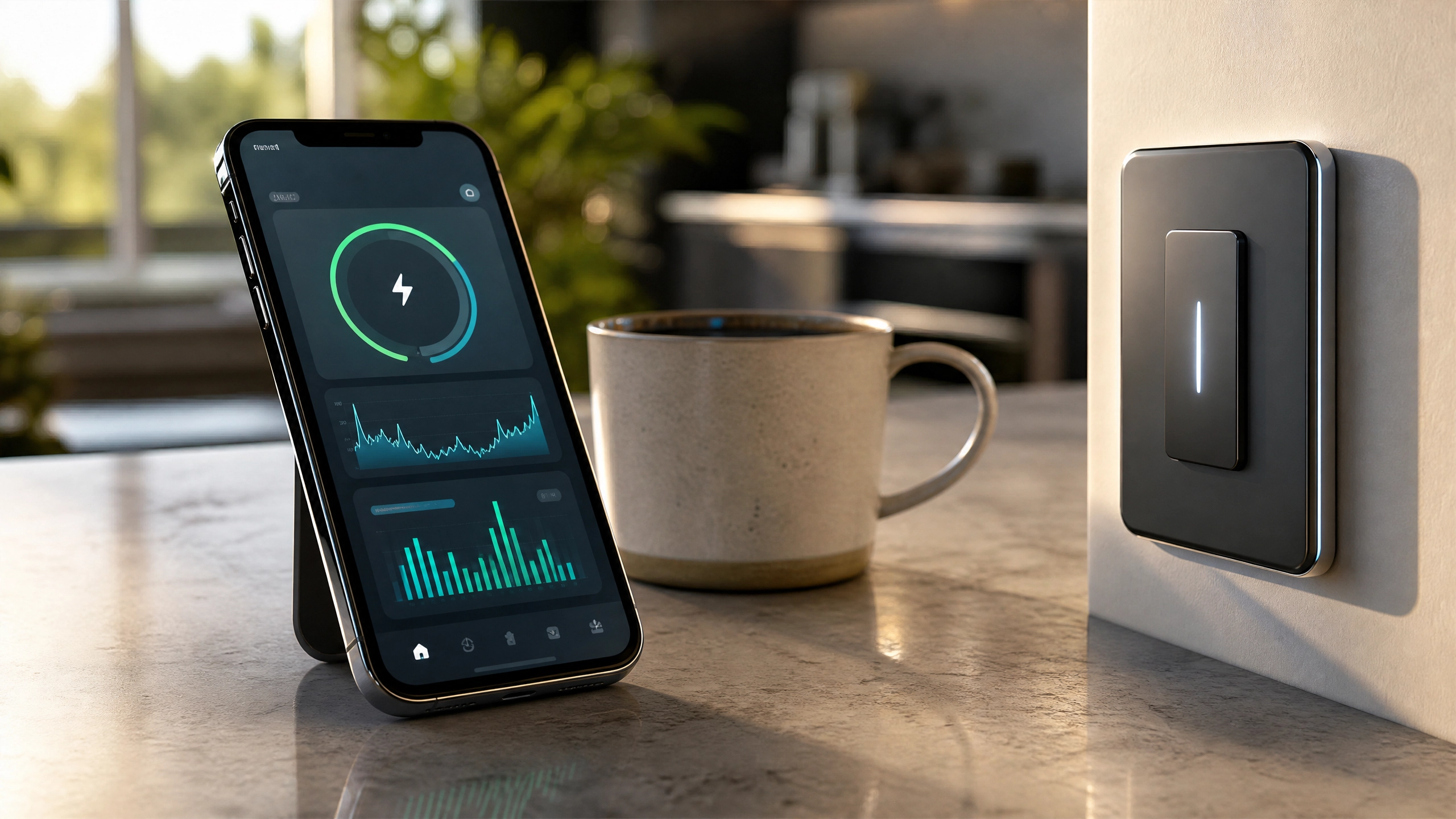
Once installed, monitor the “Energy Usage” dashboards within your smart home app. If you notice a specific device is drawing an abnormal amount of power, investigate it. Perhaps your refrigerator seals are failing, or your HVAC filters are clogged. The data is your most valuable asset.
7. Frequently Asked Questions (FAQ)
Is smart home technology too expensive for a renter?
Many smart home devices are portable. You can take your smart thermostat, smart plugs, and smart bulbs with you when you move. If you rent, focus on “non-invasive” tech—devices that don’t require changing plumbing or drilling into walls. You can still achieve significant savings on electricity bills in a rental apartment.
Will smart home tech break if my Wi-Fi goes down?
The vast majority of reputable smart home devices (like Lutron Caséta switches or Z-Wave sensors) have local processing capabilities. They will continue to function on their programmed schedules even if the internet goes down. Your automation rules will continue to run; you simply lose the ability to control them from your smartphone while away from home.

Is smart home technology a privacy risk?
Any device connected to the internet carries a baseline security risk. To mitigate this, always secure your home Wi-Fi network with a strong, unique password and enable Two-Factor Authentication (2FA) on all smart home accounts. Stick to major brands that prioritize end-to-end encryption.
Will this increase the resale value of my home?
Yes. Modern homebuyers, particularly Millennials and Gen Z, view a “Smart Home” setup as a major selling point. A home that comes equipped with an integrated smart security system, smart thermostats, and automated lighting is viewed as “move-in ready” and energy-efficient, which can command a premium in the real estate market.
Author’s Note: The Intersect of Sustainability and Profitability
The most successful investors are those who can find the intersection between two massive global trends. The first trend is the urgent need for individual energy efficiency; the second is the rapid, relentless advancement of consumer IoT (Internet of Things) technology.
When you install smart technology in your home, you are not just “buying gadgets.” You are installing a permanent infrastructure that continuously monitors your financial health, identifying and plugging the tiny leaks in your budget that you previously ignored.
Do not be intimidated by the initial cost of smart devices. Reframe the purchase. An investment in a smart thermostat is not an expense; it is a fixed-income asset that pays you a predictable, annual dividend in the form of lower energy bills. Build your infrastructure, monitor your data, and let the smart home pay for itself.