
Fine Art as an Investment: Costs, Risks, Provenance, and Liquidity
Fine art as an investment combines cultural ownership with an uncertain financial outcome. A painting, sculpture, or work on paper can appreciate, but it does not produce interest or dividends, is difficult to value, may take months or years to sell, and requires continuing spending on authentication, insurance, storage, conservation, transport, and transaction fees.
Art is not one market. Performance can vary by artist, period, medium, size, condition, provenance, subject, exhibition history, dealer support, collector taste, geography, and economic cycle. A record auction headline may describe an exceptional object rather than the market for an average work. Buyers should evaluate the exact object and the total ownership cost.

What Drives Fine-Art Value?
Artist demand is only the beginning. Collectors may distinguish between early and late periods, major and minor series, unique works and editions, primary and secondary markets, documented and undocumented objects, and museum-quality and compromised examples. Two works by the same artist can sell for very different prices.
Rarity can support value when demand also exists. A rare work that few buyers want may remain illiquid. Scale, medium, color, subject, signature, date, condition, authenticity, ownership history, and publication in a catalogue raisonné can influence desirability. Market depth matters as much as a theoretical appraisal.
Provenance and Legal Title
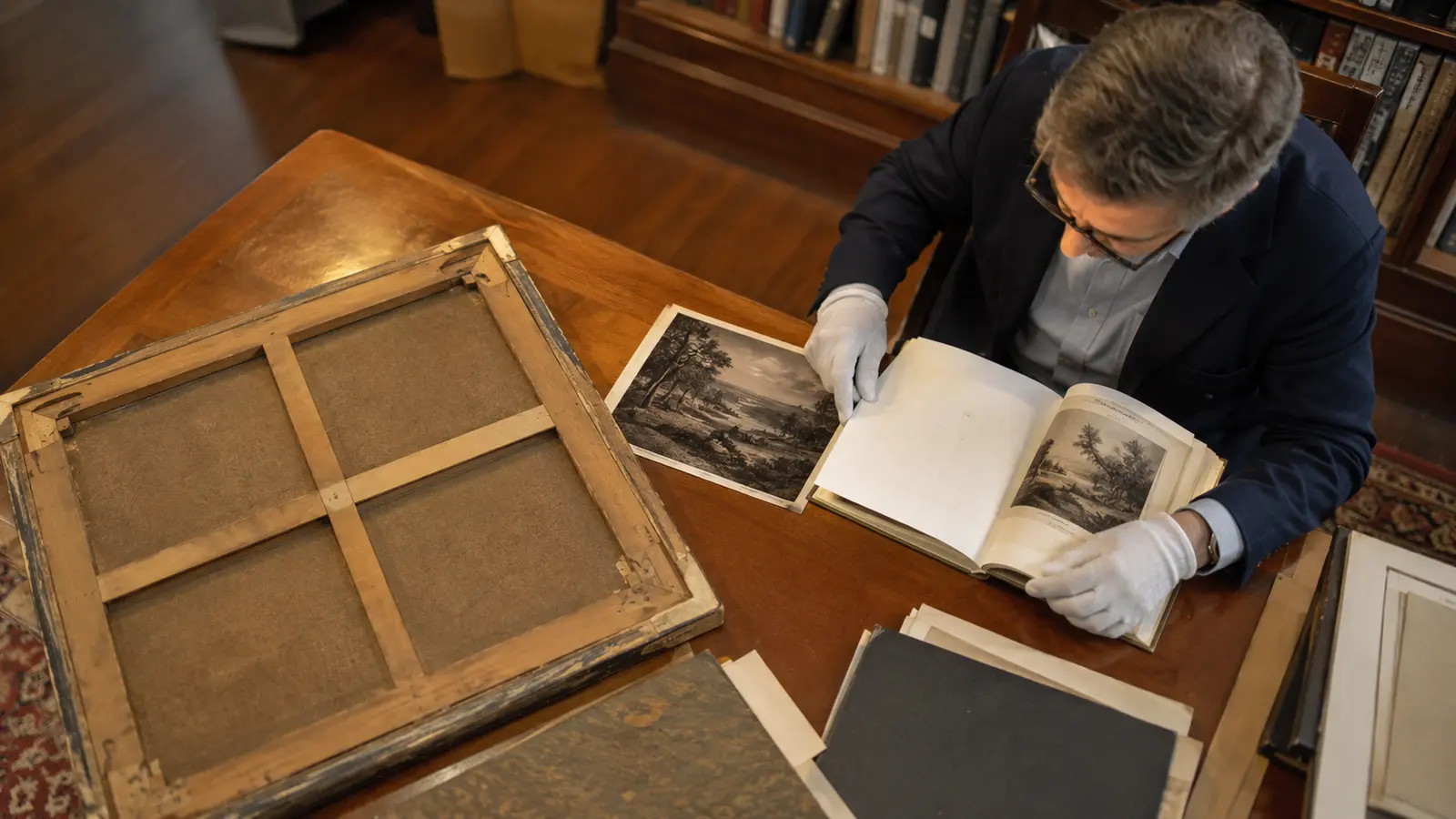
Provenance is the documented chain of ownership and custody. Strong records may include invoices, bills of sale, auction catalogues, collection labels, exhibition histories, photographs, correspondence, import documents, insurance schedules, and references in publications. Gaps do not automatically prove a problem, but they increase the need for careful research.
The FBI advises buyers to use reputable dealers and auction houses, confirm that sellers guarantee good title, and research whether the object has been reported stolen. Provenance can also reveal wartime displacement, illicit export, cultural-property restrictions, liens, estate disputes, or competing ownership claims. A beautiful object with defective title can become financially and legally burdensome.
Authenticity Requires Independent Expertise
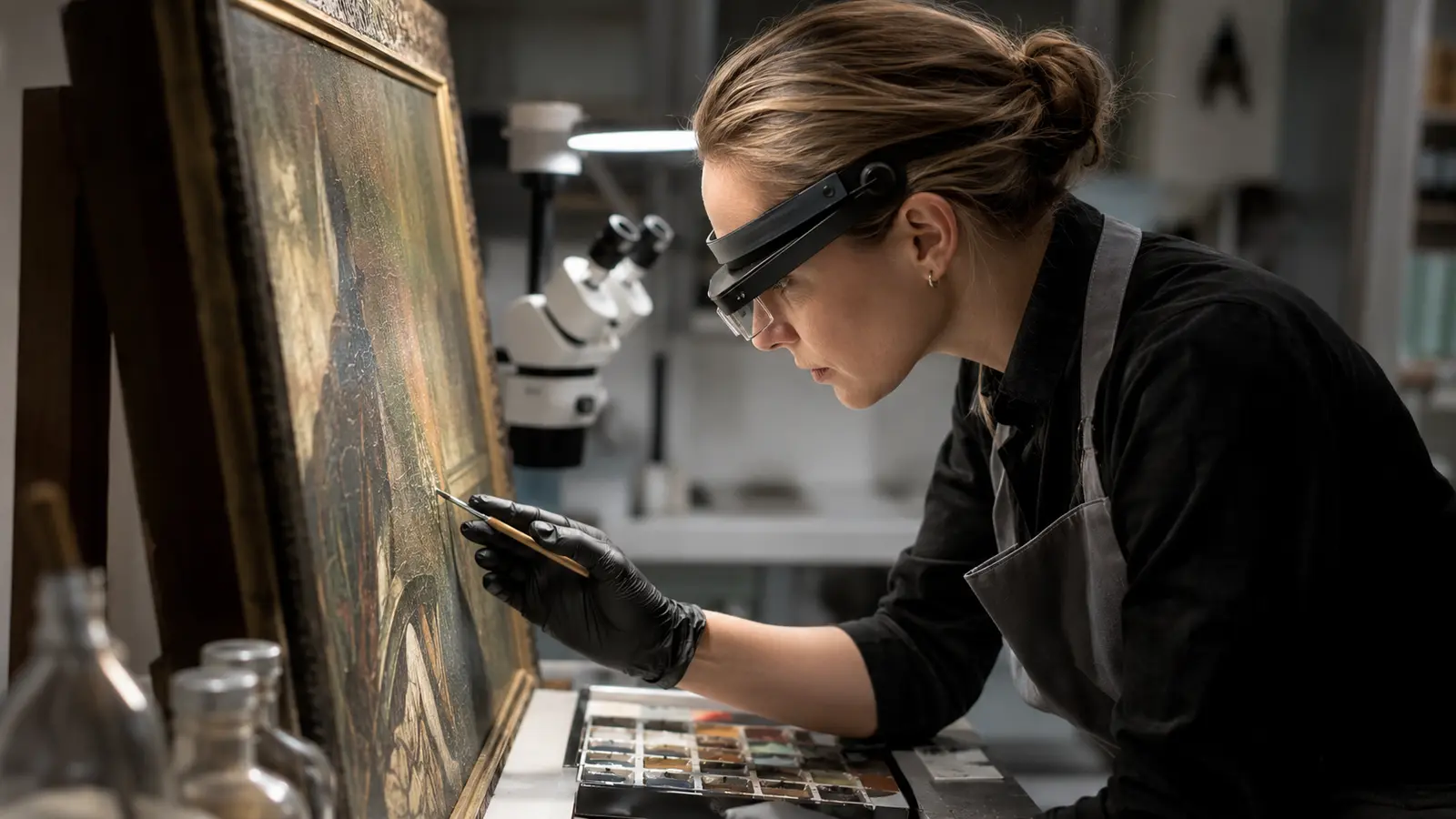
A signature is not proof. Authentication can involve provenance, connoisseurship, catalogue raisonné research, archives, artist foundations, materials analysis, imaging, inscriptions, labels, and comparison with securely documented works. The relevant authority differs by artist and can change.
Obtain written representations from the seller and understand the remedy if the attribution is later rejected. An auction catalogue’s terminology—such as “by,” “attributed to,” “studio of,” “circle of,” or “after”—can imply materially different levels of certainty. Independent experts should not be paid solely based on achieving a desired value.

Condition and Conservation
Condition affects both enjoyment and resale. Cracking, flaking, fading, staining, tears, warping, insect damage, unstable supports, overcleaning, repainting, poor framing, and previous restoration can reduce value or require costly treatment. Some age-related change is expected; the important question is how the market for that artist and medium responds.
Request a current condition report and, for a major purchase, commission an independent conservator. Ask what is original, what has been restored, whether materials are stable, and how the work should be displayed and transported. Conservation should preserve the object, not merely make it look new.
The Full Cost of Ownership
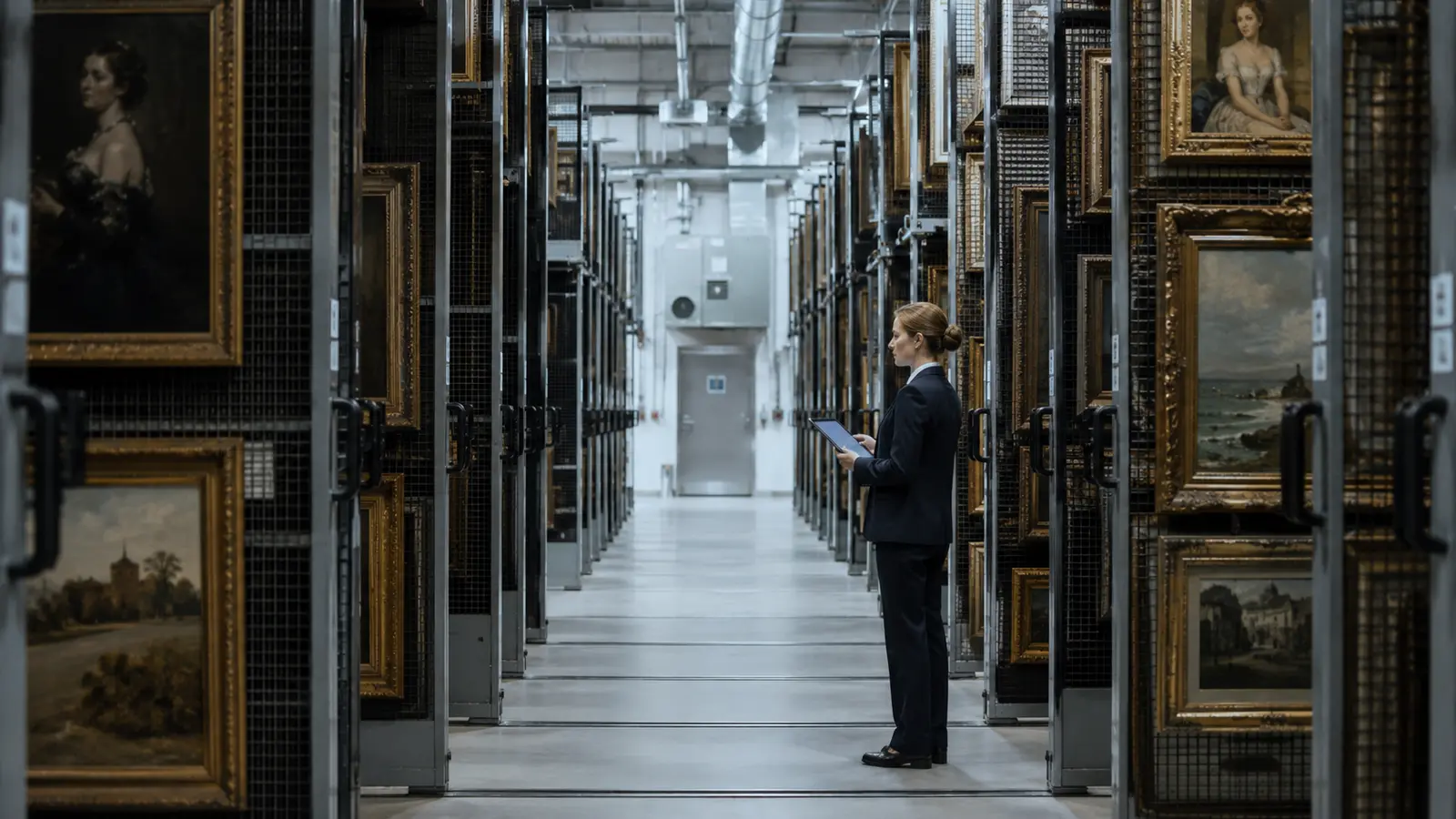
The hammer price at auction is not the buyer’s final cost. A buyer’s premium, sales or use tax, artist resale royalty in some jurisdictions, shipping, customs, installation, framing, storage, insurance, appraisal, conservation, and financing can raise the total basis. Selling may add another commission, photography, cataloguing, transport, insurance, and unsold fees.
| Cost Stage | Examples | Planning Question |
|---|---|---|
| Acquisition | Premium, tax, legal review, due diligence | What is the all-in purchase price? |
| Custody | Insurance, storage, security, climate control | What will protection cost each year? |
| Preservation | Framing, condition reports, conservation | Is the work stable and display-ready? |
| Sale | Commission, transport, cataloguing, taxes | What must the work sell for to break even? |
A work that appreciates 25 percent may still deliver a negative net return after a decade of ownership costs and selling expenses. Calculate the internal rate of return using every cash flow, not only purchase and sale prices.
Valuation Is an Opinion, Not a Guaranteed Exit Price
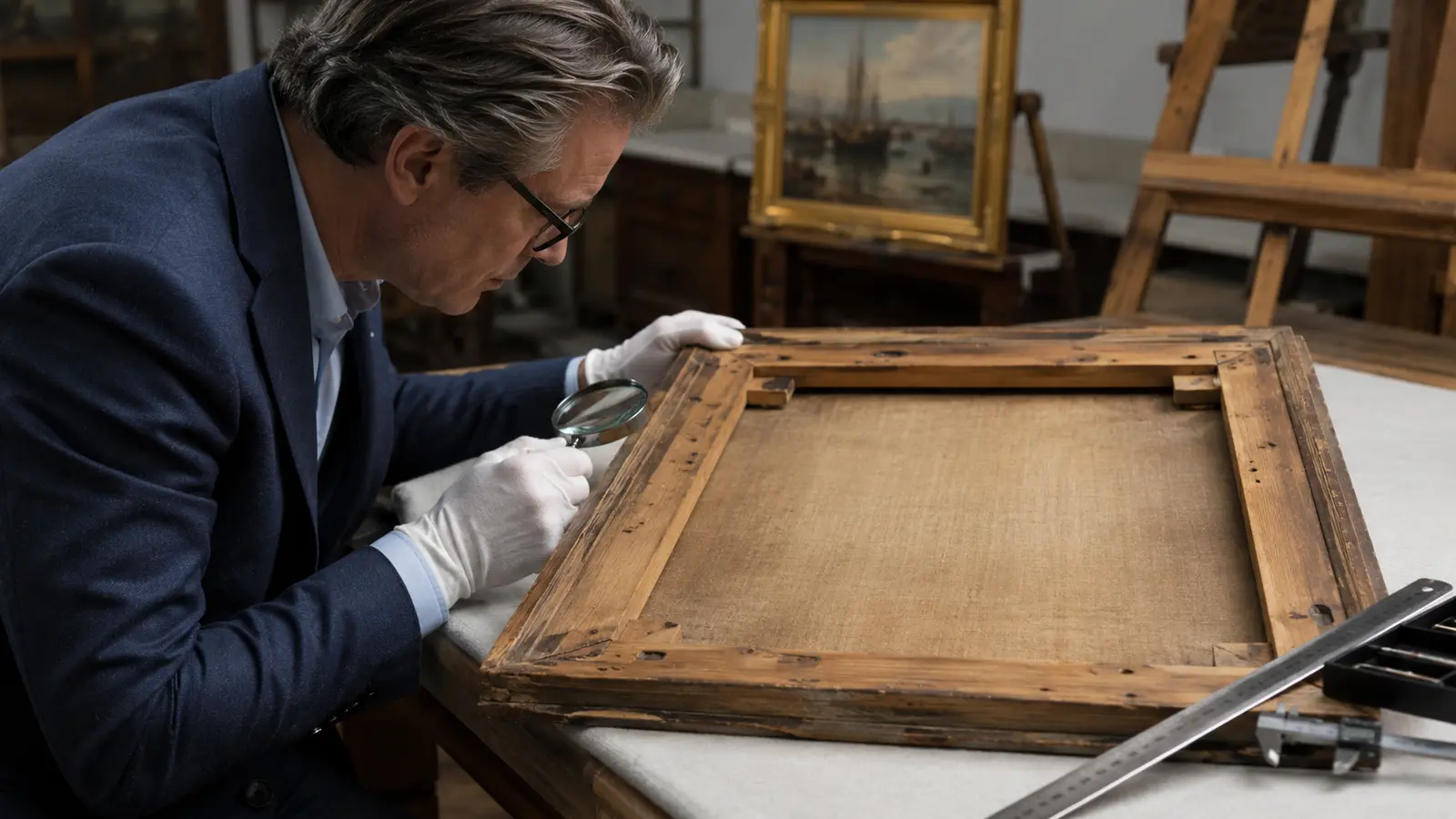
Insurance replacement value, retail replacement value, fair market value, auction estimate, dealer asking price, and liquidation value serve different purposes. The IRS defines fair market value in an open-market framework for tax purposes, but tax rules and qualified-appraisal requirements depend on the transaction.
An appraisal should identify the purpose, effective date, market, methodology, comparable sales, condition, assumptions, and appraiser qualifications. A high appraisal does not create a buyer. Review completed sales, not only estimates or asking prices, and adjust for buyer’s premiums, currency, size, medium, date, and condition.

Liquidity and Market Timing
Art can be highly illiquid. A private sale may require discretion and long negotiations. A dealer may accept a consignment but not guarantee timing. An auction introduces a public estimate, reserve, buyer pool, and sale date, yet the work may fail to sell. An unsold public offering can influence future perceptions.
Liquidity weakens when an artist falls out of fashion, a market is concentrated among a few buyers, authenticity questions emerge, export restrictions apply, or the work’s price exceeds the depth of its collector base. Never invest emergency savings or money tied to a fixed near-term obligation in an object with an uncertain exit.
Direct Ownership vs Fractional Platforms
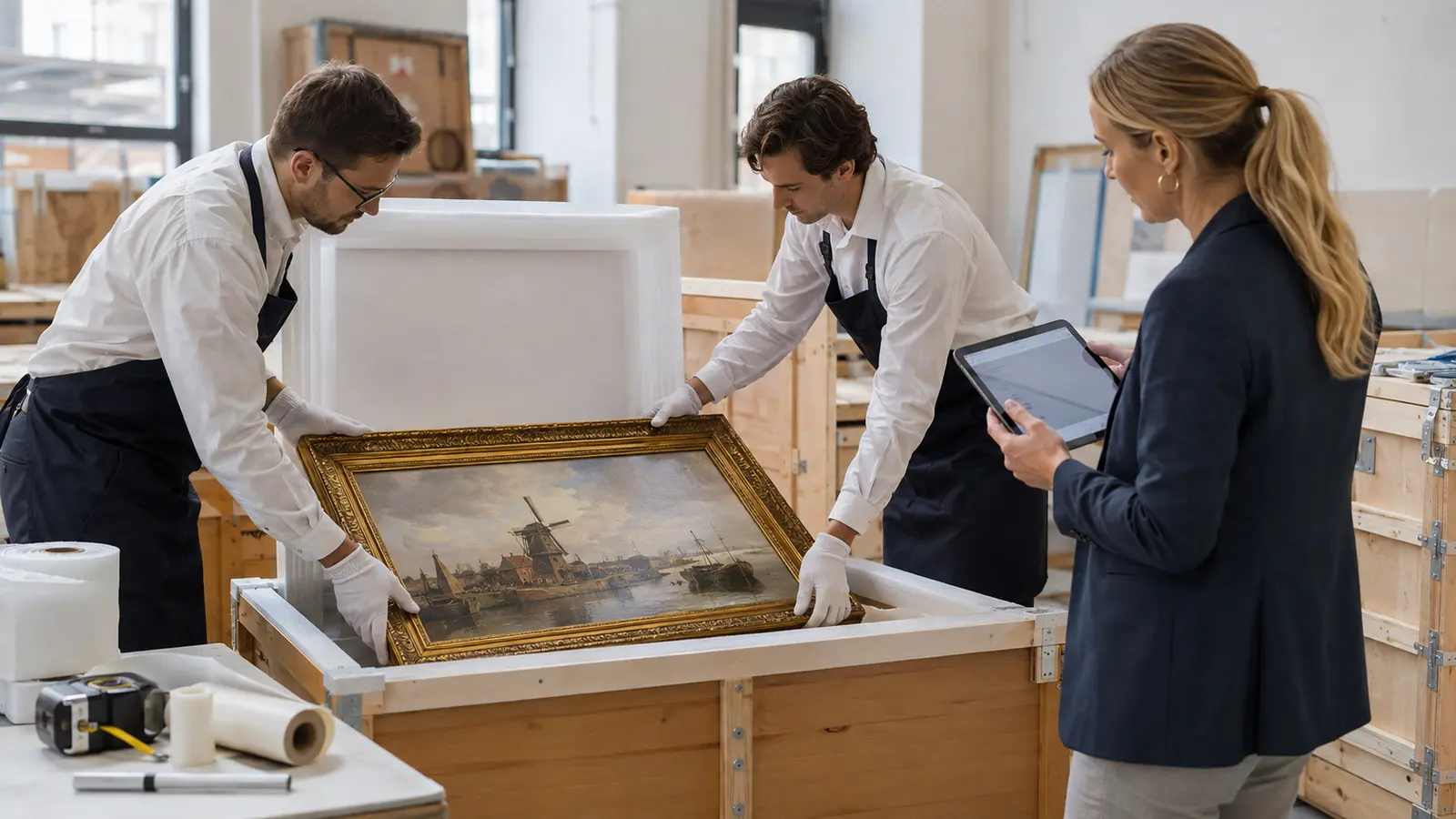
Direct ownership provides custody and display rights but places acquisition, care, insurance, and sale responsibility on the owner. Fractional platforms may sell interests in an entity that owns artwork. Investors then own a security or contractual interest rather than a piece of the physical work.
SEC filings for art-investment offerings describe risks including subjective valuation, authenticity, physical damage, fees, limited voting rights, conflicts, uncertain sale timing, and illiquidity. Review the legal structure, audited information, manager compensation, storage, insurance, voting rights, secondary-market limits, and the authority to decide when and how the artwork is sold.
Insurance, Storage, and Security
Fine-art insurance may use scheduled values, agreed values, appraisals, transit conditions, security requirements, geographic limits, and exclusions for wear, inherent vice, poor restoration, war, confiscation, or inadequate packing. Notify the insurer about loans to exhibitions, relocation, storage changes, and international transport.
Environmental controls should match the medium. Temperature, humidity, light, pollutants, pests, vibration, fire protection, water exposure, and handling can affect condition. Maintain high-resolution photographs, dimensions, marks, serial information, invoices, appraisals, and emergency contacts in a secure off-site record.
Tax and Estate Considerations
Art may be treated as a collectible or tangible personal property for tax purposes, with rules that differ from stocks. Capital gains, sales or use tax, charitable contributions, estate valuation, dealer status, like-kind exchanges, import duties, and cross-border ownership require specialist advice. Laws and rates change.
The IRS requires qualified appraisals in certain charitable-contribution situations and provides detailed fair-market-value guidance. Keep purchase invoices, premiums, conservation bills, transport records, appraisals, and sale documents. Do not assume every ownership expense increases tax basis.
A Fine-Art Due-Diligence Checklist
- Define whether the primary goal is enjoyment, collection, preservation, or return.
- Research the artist’s market across several years and comparable works.
- Verify the seller’s identity and legal authority to transfer good title.
- Review provenance and search appropriate stolen-art and cultural-property databases.
- Obtain independent authenticity and condition expertise.
- Read the invoice, warranty, return, attribution, and dispute terms.
- Calculate buyer premiums, tax, transport, storage, insurance, conservation, and selling costs.
- Plan climate, security, documentation, and emergency response.
- Understand tax, estate, import, and export consequences.
- Decide how and where the work could realistically be sold.
Keep art exposure consistent with a diversified financial plan. ChirBlog’s luxury asset diversification and general investing guide explain why one illiquid object should not replace emergency reserves or a broad portfolio.
Researching an Artist’s Market
Begin with completed public sales across several years, but separate incomparable works. A large oil painting from a celebrated period should not be used to value a small late print. Track medium, size, date, subject, provenance, condition, estimate, hammer price, buyer’s premium, venue, currency, and whether the work sold. Unsold lots are also evidence.
Study exhibition history, museum representation, gallery relationships, catalogue raisonné status, collector base, supply, and trading frequency. Rapid price growth driven by a small number of buyers can reverse. A healthy market has repeat demand at several price levels rather than one exceptional transaction.
Dealer, Auction, and Private-Sale Channels
A reputable dealer may provide research, access, installation, and long-term market support, but the asking price can include a substantial margin. Auctions create public competition and transparent timing, while adding premiums and the risk of an unsold result. Private sales can preserve discretion but make price comparison and counterparty diligence harder.
Ask who owns the work, whether the intermediary acts for buyer or seller, how compensation is earned, whether guarantees or third-party interests exist, and which law governs disputes. Confirm the total amount due before bidding or signing. Verbal assurances should be reflected in the invoice or contract.
Purchase Agreements and Warranties
The written agreement should identify the work precisely, including artist, title, date, medium, dimensions, inscriptions, edition, condition references, provenance, and photographs. It should address title, authenticity, liens, export status, delivery, risk of loss, taxes, insurance, return rights, and remedies if a representation is false.
A short invoice may not protect a high-value buyer adequately. Obtain independent legal review when the amount, cross-border issues, or provenance risks are significant. Escrow, payment timing, inspection rights, and dispute-resolution clauses can matter as much as the purchase price.
Common Art-Investment Mistakes
- Buying an artist’s name without evaluating the exact work.
- Treating an auction estimate as a guaranteed price.
- Skipping independent condition and authenticity review.
- Ignoring provenance gaps and title warranties.
- Calculating return without premiums, insurance, storage, and selling fees.
- Using money needed for emergencies or near-term goals.
- Assuming rarity creates demand.
- Buying from pressure or fear of missing out.
- Failing to plan conservation and secure transport.
- Believing an appraisal creates liquidity.
Frequently Asked Questions
Does fine art always appreciate?
No. Prices can fall, remain flat, or fail to cover fees and ownership costs. Many works never develop an active resale market.
Are auction estimates reliable?
They are informed opinions, not guarantees. Compare completed sales and understand whether buyer premiums are included.
What is provenance?
Provenance is the documented history of ownership and custody. It supports title, authenticity research, and market confidence.
Can an appraisal guarantee value?
No. Appraisals serve a stated purpose and effective date. Actual sale results depend on the work, buyer pool, market, fees, and timing.
Is fractional art investing the same as owning a painting?
No. The investor usually owns an interest in an entity or offering with specific contractual rights, fees, risks, and exit restrictions.
Sources and Further Reading
- FBI: Advice from an Art Theft Expert
- FBI: National Stolen Art File
- IRS Publication 561: Determining the Value of Donated Property
- IRS: Tangible Personal Property Valuation Guidelines
- SEC Filing: Art Investment Liquidity and Damage Risks
This article provides general educational information, not individualized investment, tax, legal, appraisal, conservation, or insurance advice. Art markets, values, laws, taxes, and ownership costs change. Obtain independent qualified advice for any significant transaction.